JinAD 266–420
Jin: Timeline of Events (AD 266–420)
Western Jin briefly reunites China; Eastern Jin holds the south
View on the timelineEvents in this period
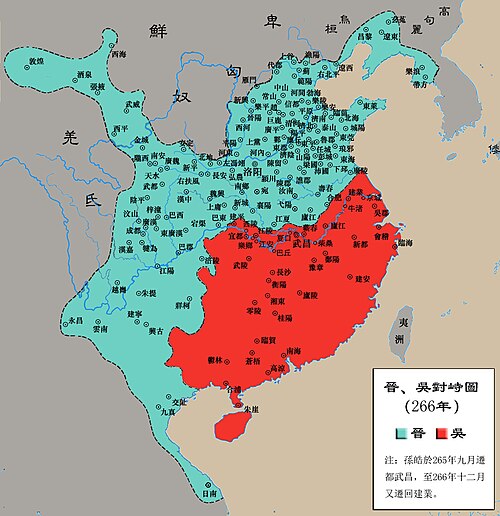 Western Jin Founded; Wu ConqueredAD 266–280
Sima Yan replaced Wei in AD 266, founding the Western Jin with its capital at Luoyang; the Jin destroyed Wu in 280, ending the near-century of division since the late Eastern Han.
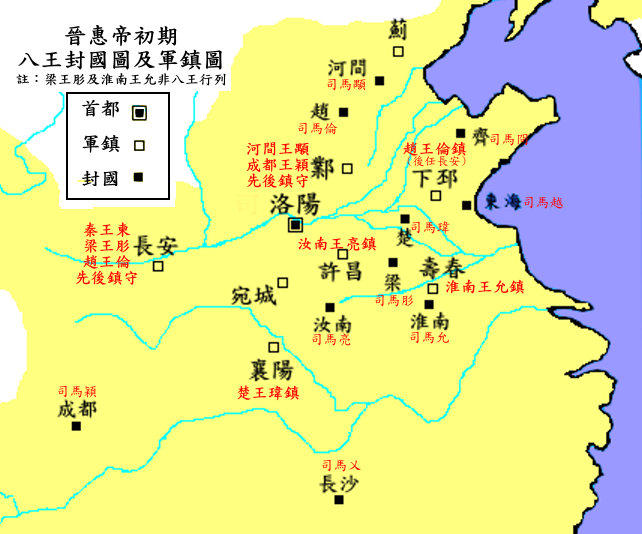 War of the Eight PrincesReign of Emperor Hui of Western Jin (over a dozen years)
Under Emperor Hui of the Western Jin, eight imperial princes with large armies fought for over a decade for control of the court, the “War of the Eight Princes,” which left the Western Jin in decline.
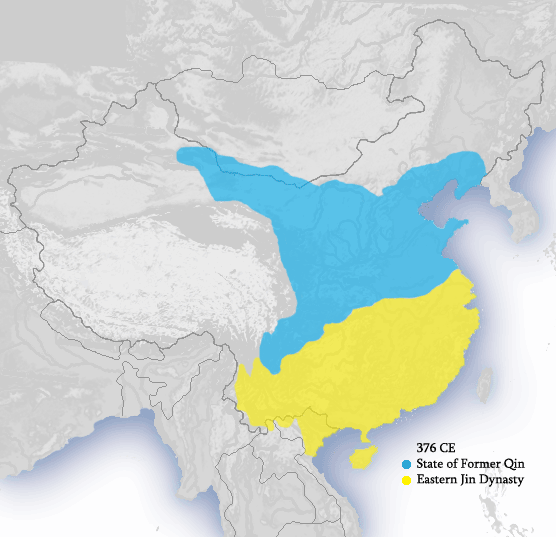 Northern Peoples Move Inward; the Sixteen KingdomsEarly 4th century–early 5th century
Nomadic peoples of the north moved inward through the Han, Wei and Jin; at the end of the Western Jin, Xiongnu, Xianbei, Jie, Di and Qiang leaders founded states, the “Sixteen Kingdoms.”
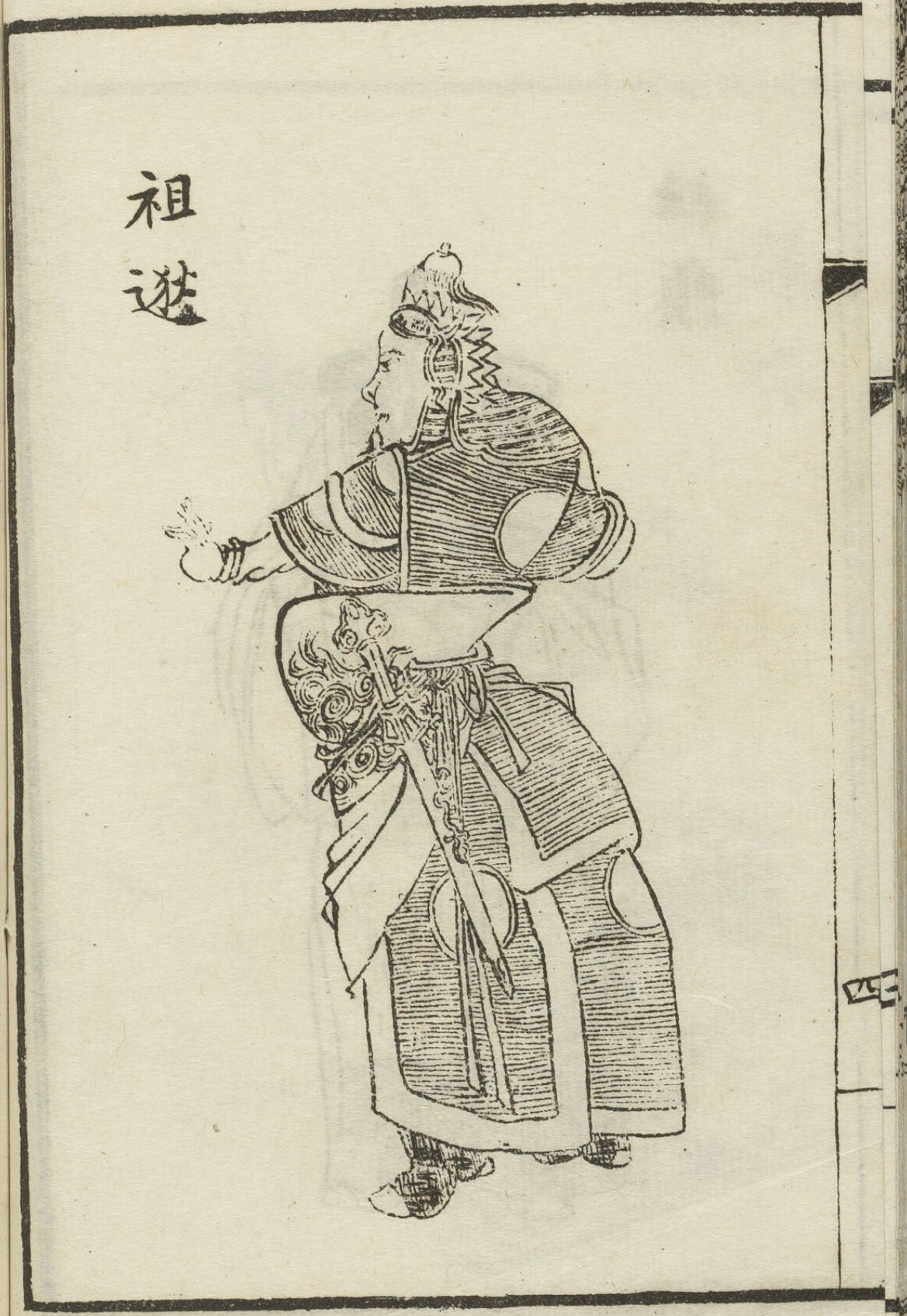 Zu Ti's Northern ExpeditionAD 313
Known for “rising at cockcrow to practice sword,” Zu Ti crossed the Yangtze in AD 313, vowed while striking his oar mid-river, and recovered much land south of the Yellow River.
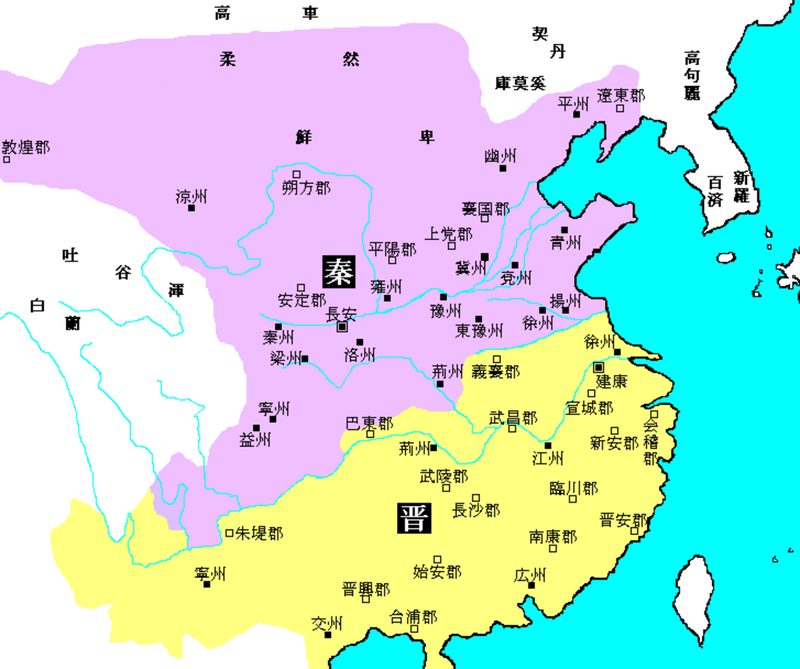 Western Jin Falls; Eastern Jin FoundedAD 316–317
In AD 316 the Xiongnu state of Former Zhao took Chang'an and the Western Jin fell; in 317 Sima Rui restored the Jin at Jiankang as the Eastern Jin, with “Wang and Sima sharing the realm.”
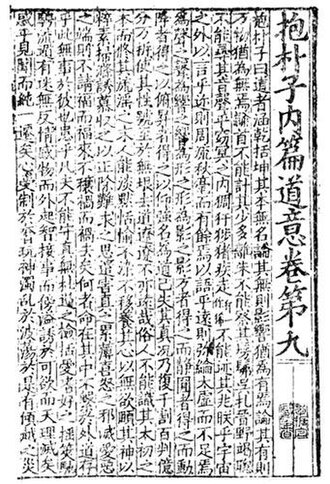 Baopuzi320
Ge Hong wrote this influential work on Daoism and society.
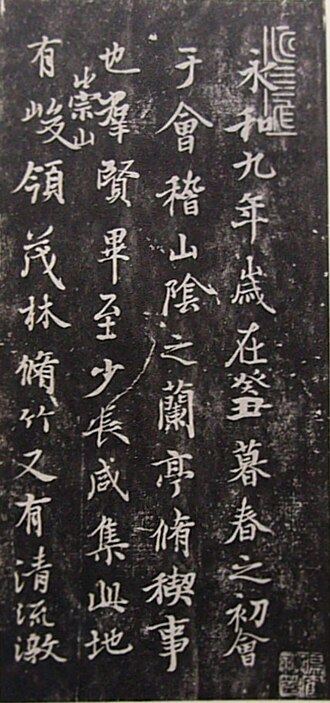 Wang Xizhi's Orchid Pavilion PrefaceAD 353
The Eastern Jin calligrapher Wang Xizhi, honored as the “Sage of Calligraphy,” wrote his Preface to the Orchid Pavilion Collection in AD 353, called the “finest running script under heaven.”
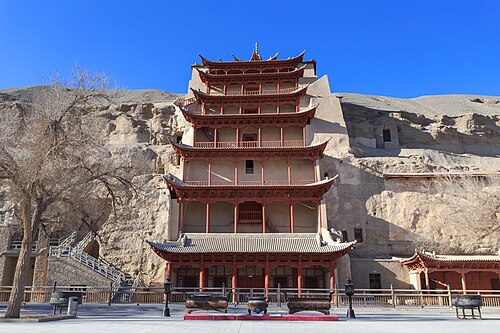 The Mogao Caves at Dunhuang4th–13th century
The Mogao Caves at Dunhuang, Gansu, were first carved in AD 366 and added to over a thousand years across ten dynasties, preserving over 45,000 square meters of murals and some 2,400 painted statues.
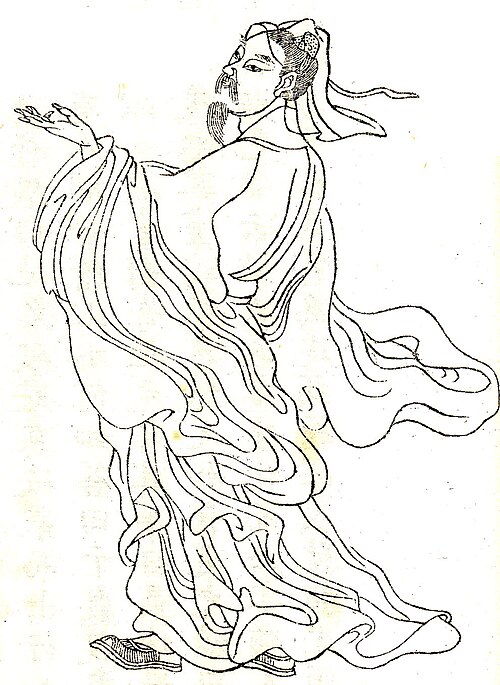 Gu Kaizhi and Wei–Jin PaintingEastern Jin
The Eastern Jin painter Gu Kaizhi excelled at figure painting and held that “form should convey spirit”; copies of Admonitions of the Court Instructress and Nymph of the Luo River survive.
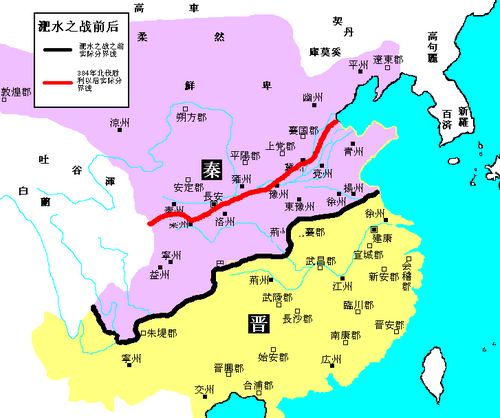 Battle of Fei RiverAD 383
In AD 383 Fu Jian of the Former Qin marched south with a huge army, but the Eastern Jin defeated it at the Fei River with some 80,000 elite troops, “mistaking wind and cranes for pursuers.”
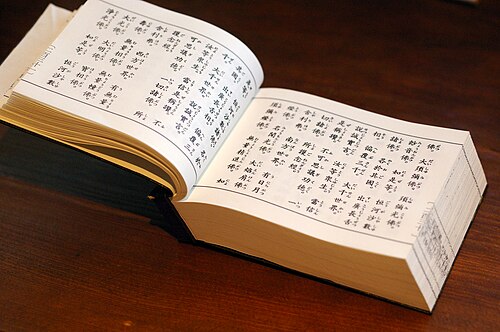 Kumārajīva Leads a Translation Bureau in Chang’an401–413 CE
Kumārajīva led Buddhist scripture translations in Chang’an.