People's Republic of China1949–present
People's Republic of China: Timeline of Events (1949–present)
Founded on 1 October 1949
View on the timelineEvents in this period
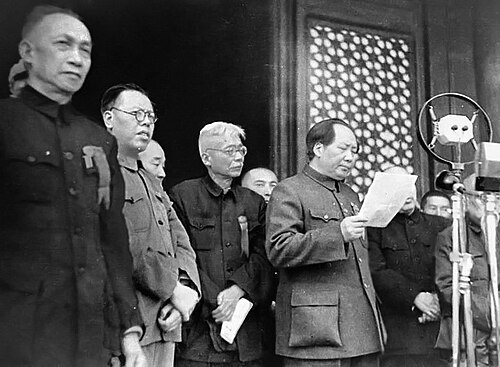 Founding of the People's Republic of China1 October 1949
On 1 October 1949, before 300,000 soldiers and civilians in Tiananmen Square, Mao Zedong proclaimed the founding of the Central People's Government of the People's Republic of China.
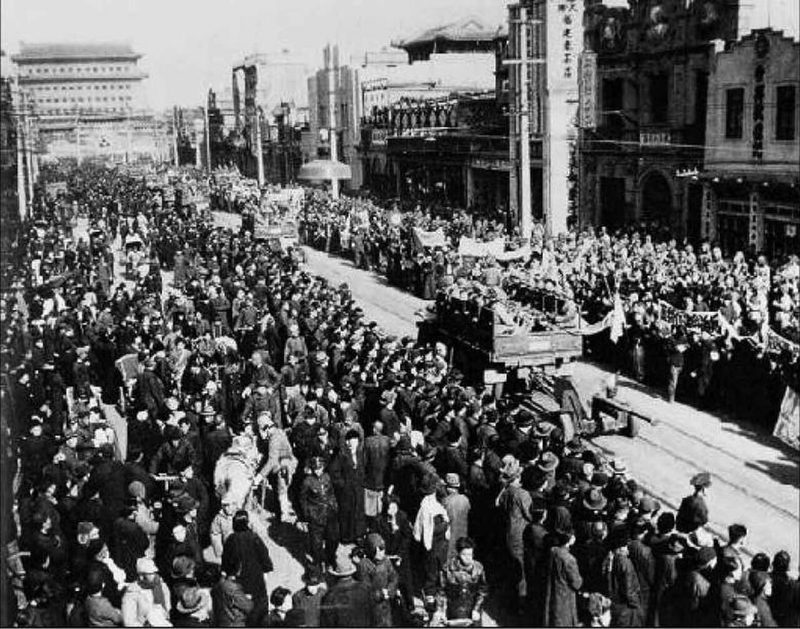 Pingjin Campaign and Peaceful Liberation of BeipingNovember 1948–January 1949
In late 1948 the Northeast Field Army and North China forces launched the Pingjin Campaign, taking Tianjin and peacefully liberating Beiping, destroying or reorganizing over 520,000 Kuomintang troops.
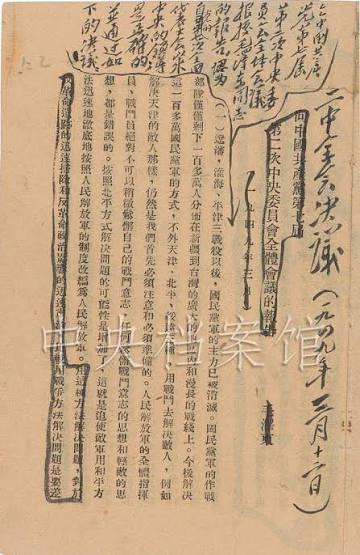 Second Plenary Session of the Seventh CCP Central CommitteeMarch 1949
The Second Plenary Session of the Seventh Central Committee met at Xibaipo in March 1949, shifting the Party's focus from the countryside to the cities, and Mao Zedong set out the "Two Musts."
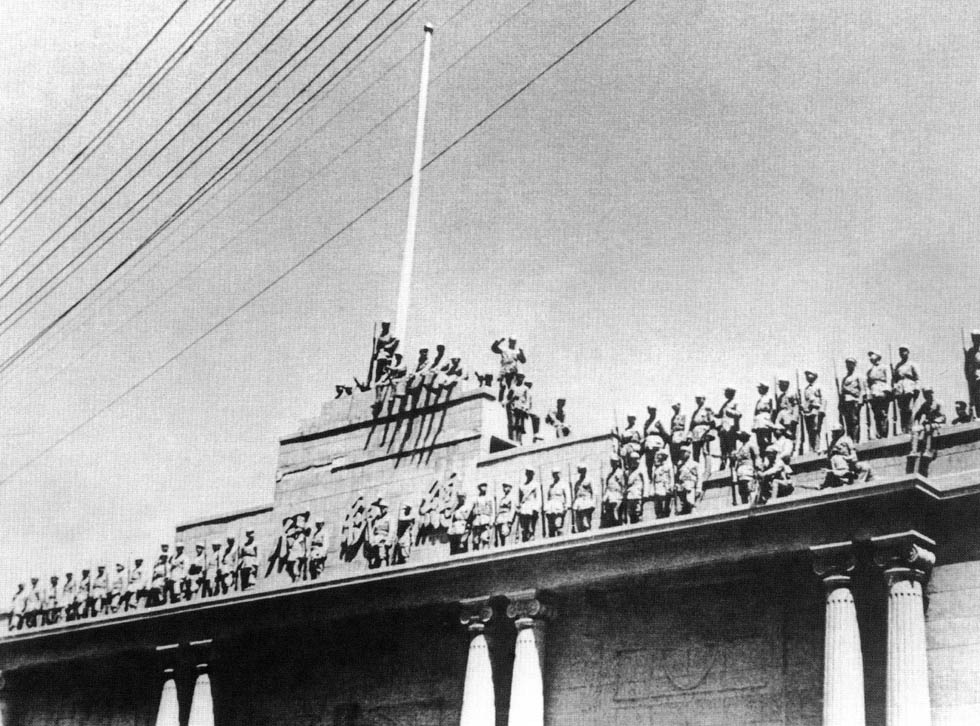 Yangtze River Crossing Campaign and Liberation of NanjingApril 1949
On 21 April 1949 a million Liberation Army troops crossed the Yangtze, and on 23 April they took Nanjing, marking the collapse of Kuomintang rule on the mainland.
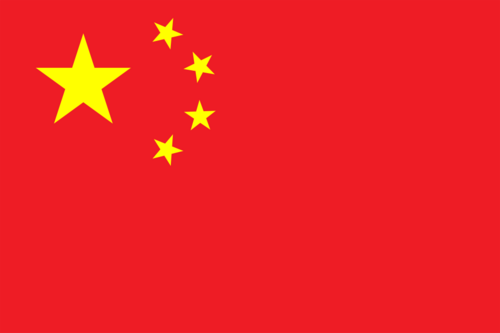 First Plenary Session of the CPPCCSeptember 1949
In September 1949 the first plenary session of the CPPCC adopted the Common Program as an interim constitution, elected the Central People's Government and chose the flag, anthem and capital.
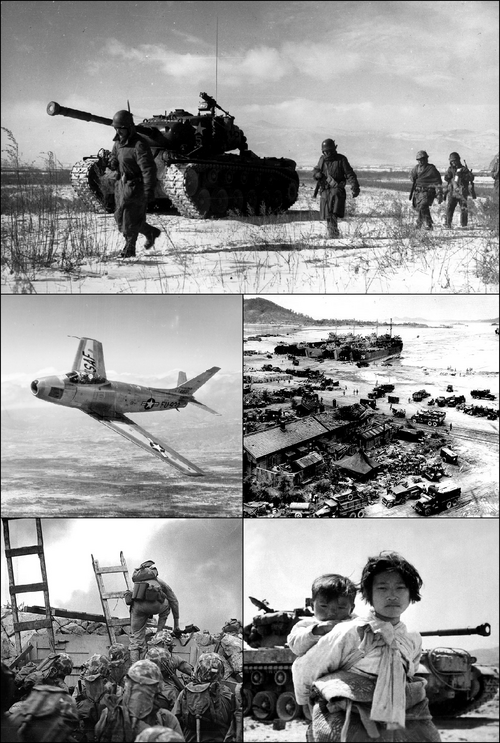 War to Resist US Aggression and Aid KoreaOctober 1950–July 1953
In October 1950 the Chinese People's Volunteers entered the Korean War against the "UN forces"; an armistice was signed in July 1953.
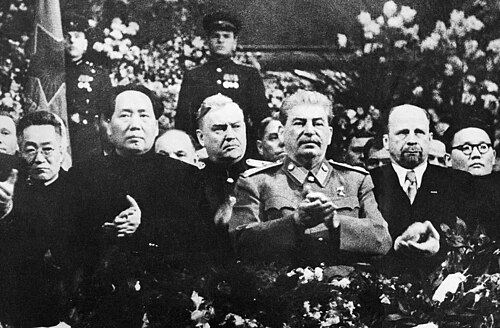 Sino-Soviet Treaty of Friendship, Alliance and Mutual Assistance1950
After Mao Zedong's visit to Moscow, China and the USSR signed a Treaty of Friendship, Alliance and Mutual Assistance in February 1950, as New China chose to "lean to one side."
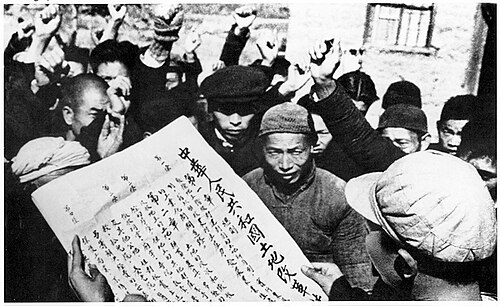 Land Reform in New China1950–1952
The Land Reform Law of 1950 set out to end the feudal land system; by the end of 1952 land reform was essentially complete across mainland China.
 Peaceful Liberation of Tibet1951
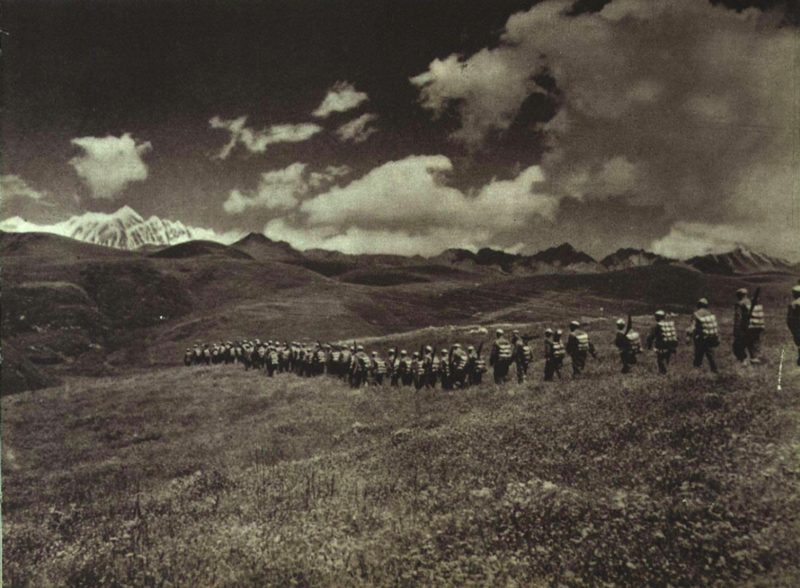
In May 1951 the Central People's Government and the Tibetan local government signed the Seventeen Point Agreement, peacefully liberating Tibet and unifying the mainland.
 Liu Qingshan and Zhang Zishan CaseFebruary 1952
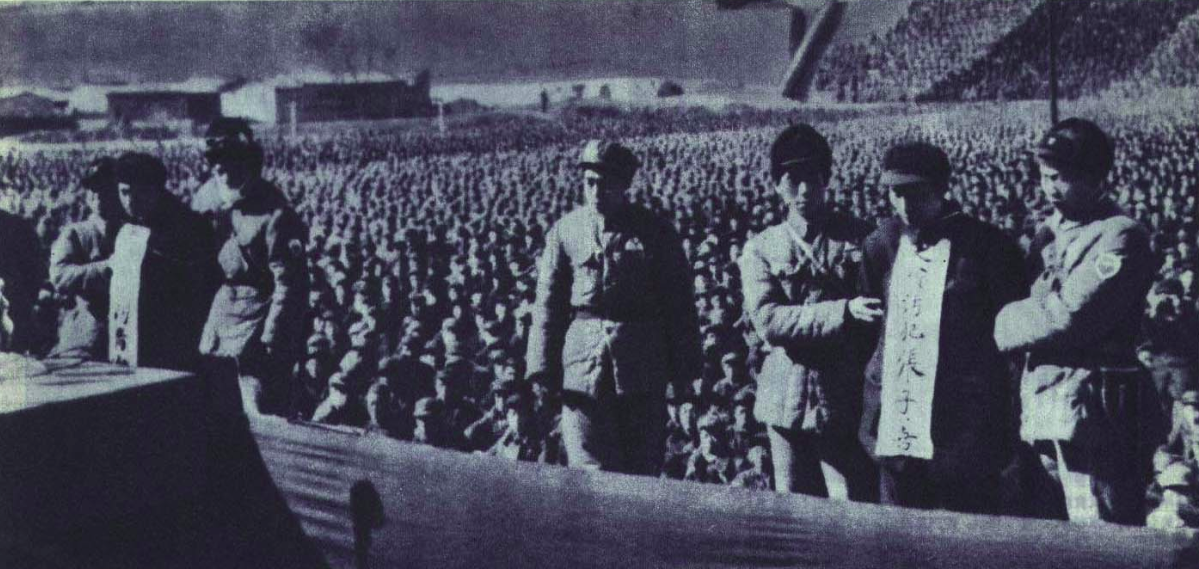
In 1952 Liu Qingshan and Zhang Zishan were sentenced to death for embezzlement, the first major anti-corruption case of New China, which spurred the Three-Anti and Five-Anti campaigns.
 First Five-Year Plan1953–1957
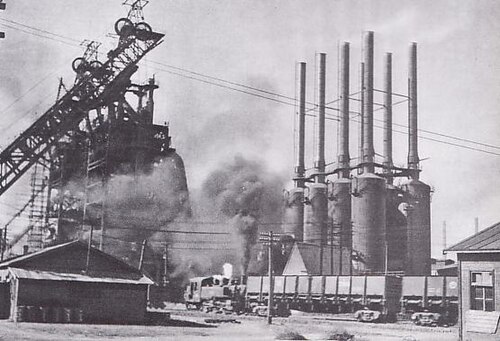
China's First Five-Year Plan (1953–1957) concentrated on heavy industry; plants such as the First Automobile Works in Changchun laid the first foundations of industrialization.
 Five Principles of Peaceful Coexistence and Bandung ConferenceLate 1953–1955
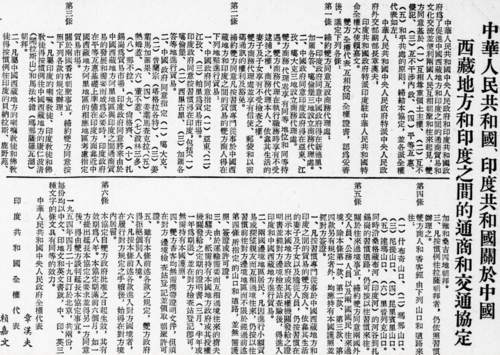
Zhou Enlai first proposed the Five Principles of Peaceful Coexistence in late 1953, and at the 1955 Bandung Conference helped it succeed by "seeking common ground while reserving differences."
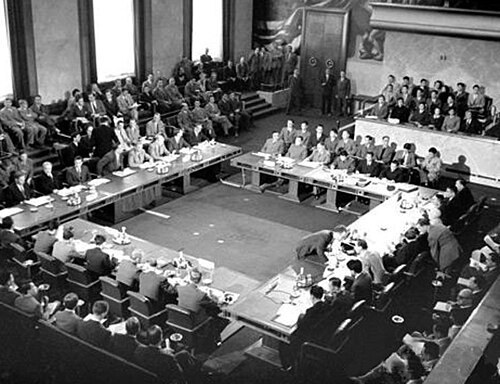 Geneva ConferenceApril–July 1954
In 1954 New China attended the Geneva Conference for the first time as one of the five great powers, contributing to the restoration of peace in Indochina and showing its status as a major power.
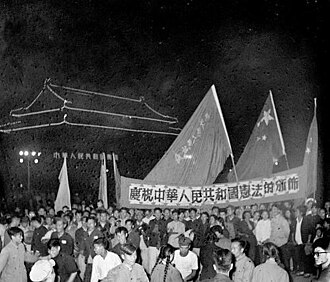 First National People's Congress and the 1954 ConstitutionSeptember 1954
In September 1954 the First National People's Congress adopted New China's first constitution, making the people's congress system the country's fundamental political system.
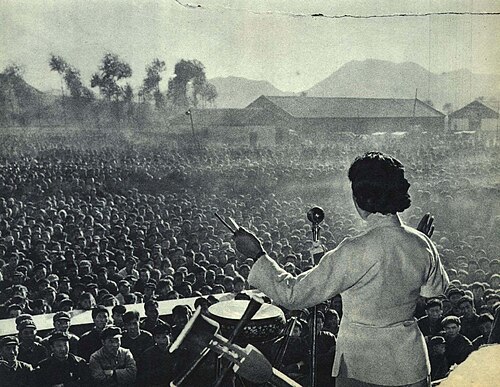 Socialist Transformation Largely Completed1953–1956
From 1953 China carried out socialist transformation of agriculture, handicrafts and capitalist industry and commerce, largely completed by the end of 1956, establishing the basic socialist system.
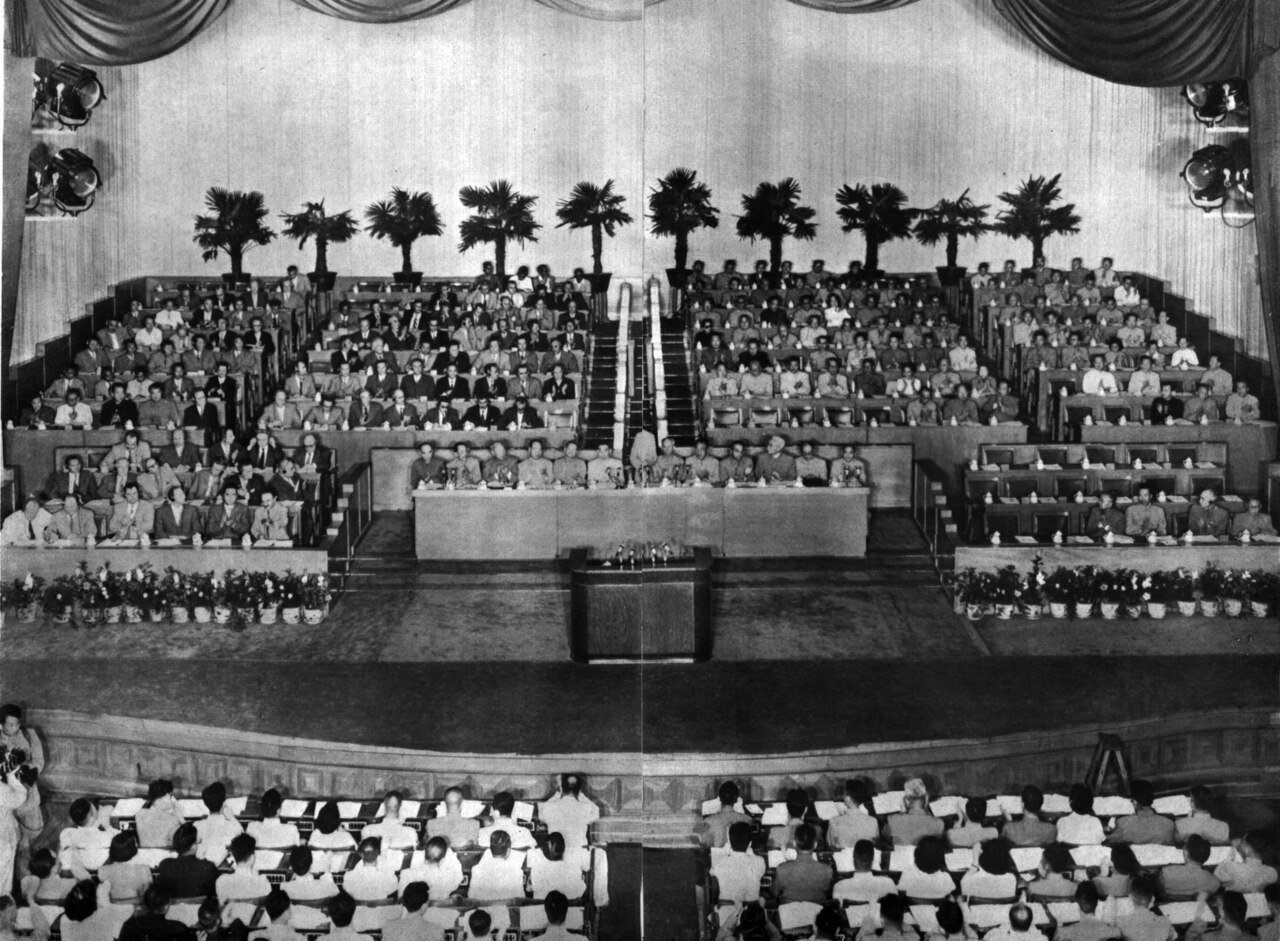 On the Ten Major Relationships and the Eighth Party Congress1956
In 1956 Mao Zedong's On the Ten Major Relationships began the search for a Chinese path of development, and the Eighth CCP National Congress called for focusing on the productive forces.
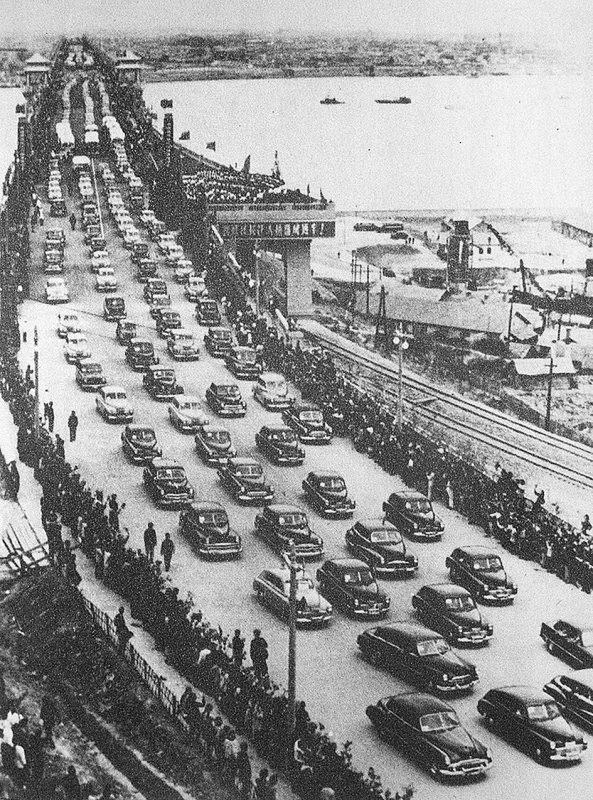 Wuhan Yangtze River Bridge Completed1955–1957
Construction of the Wuhan Yangtze River Bridge began in 1955 and it opened in October 1957, the first bridge across the Yangtze, turning a natural barrier into a thoroughfare.
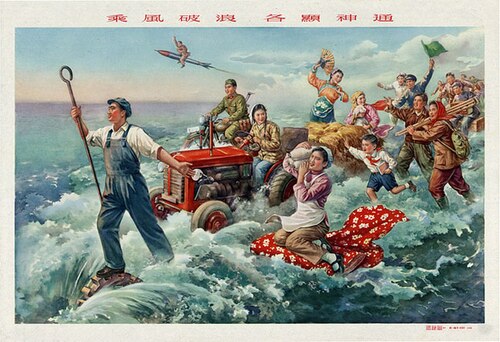 The Great Leap Forward and Economic Readjustment1958–1961
The Great Leap Forward and people's communes launched in 1958 caused severe economic hardship; from 1961 a policy of readjusting, consolidating, filling out and raising standards followed.
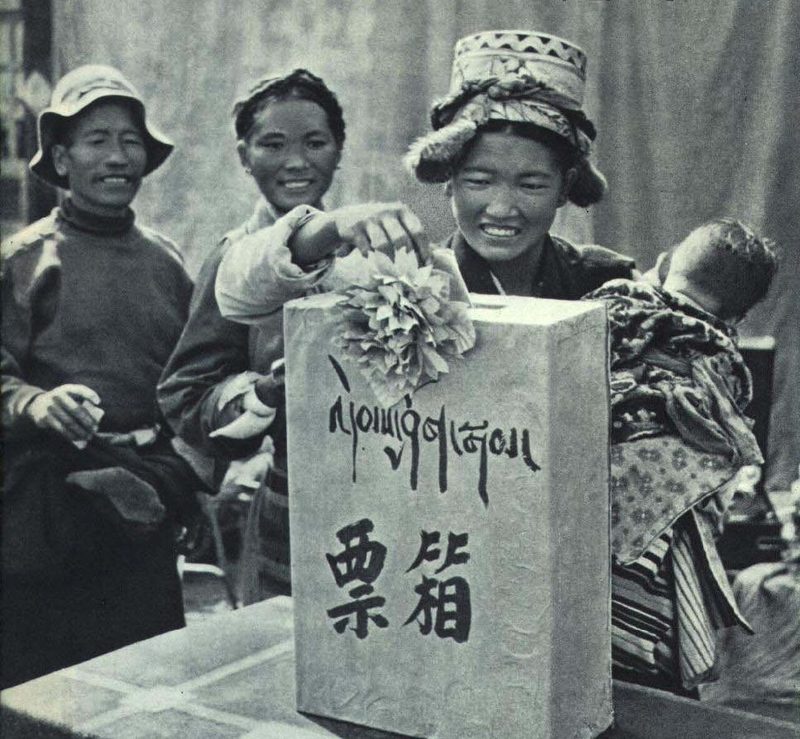 Democratic Reform in Tibet1959
In 1959 a reactionary clique in the Tibetan upper class launched an armed rebellion; after the central government put it down, democratic reform abolished feudal serfdom and freed a million serfs.
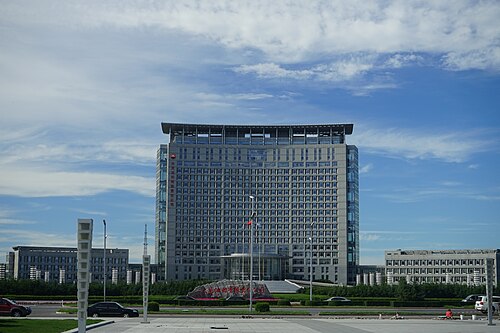 Daqing Oilfield Campaign and "Iron Man" Wang JinxiFrom 1960
In the Daqing oil campaign begun in 1960, "Iron Man" Wang Jinxi led his drilling team through great hardship; by 1963 China was largely self-sufficient in oil.
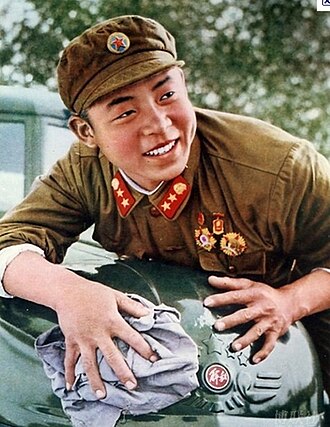 Learn from Comrade Lei FengMarch 1963
On 5 March 1963 Mao Zedong inscribed "Learn from Comrade Lei Feng," sparking a nationwide drive to follow his spirit of serving the people wholeheartedly; 5 March became Learn from Lei Feng Day.
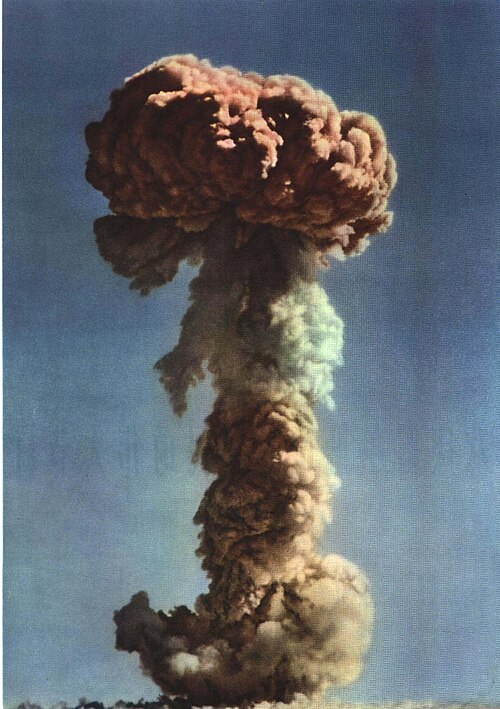
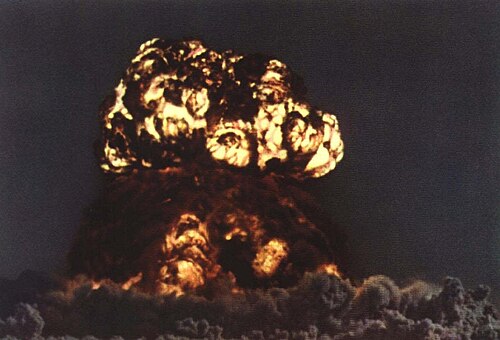 First Atomic Bomb Test ("Two Bombs, One Satellite")16 October 1964
China exploded its first atomic bomb on 16 October 1964, followed by a hydrogen bomb and a satellite; the "Two Bombs, One Satellite" program greatly strengthened national defense.
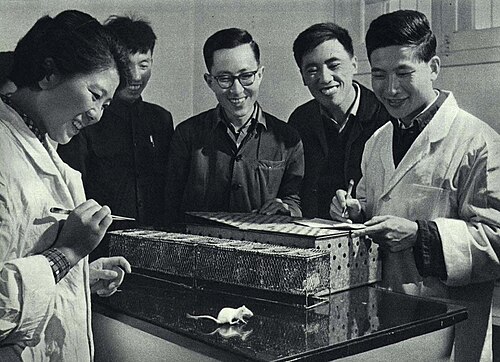 Synthesis of Crystalline Bovine Insulin1965
In 1965 Chinese scientists achieved the world's first synthesis of crystalline bovine insulin, the first biologically active protein made artificially, a world-leading result.
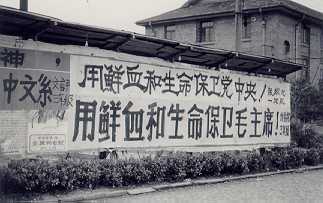 The Cultural Revolution1966–1976
The Cultural Revolution (1966–1976), wrongly launched by the leadership and exploited by counter-revolutionary cliques, brought severe disaster to the Party, the state and the people.
 Founding of the Second Artillery Corps and Missile Forces1966
China founded the Second Artillery Corps, its strategic missile force, in July 1966; it was the core of China's strategic deterrent and was renamed the PLA Rocket Force in 2015.
- First Hydrogen Bomb TestJune 1967
China's first hydrogen bomb was successfully air-dropped and exploded on 17 June 1967, only two years and eight months after its first atomic bomb, among the fastest in the world.
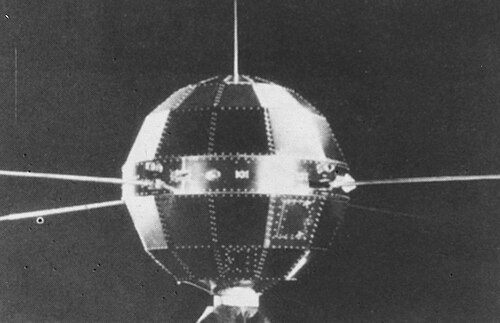 Dongfanghong 1 Satellite LaunchedApril 1970
On 24 April 1970 China launched its first satellite, Dongfanghong 1, on a Long March 1 rocket, becoming the fifth country to launch a satellite independently.
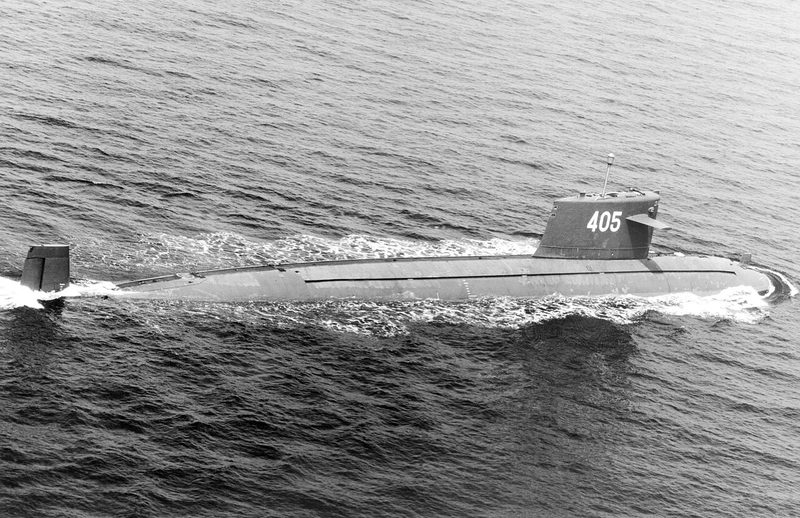 First Nuclear Submarine Developed1958–1974
China began developing nuclear submarines in 1958, and in 1974 its first, Long March 1, was delivered to the Navy, making China the fifth country with nuclear submarines.
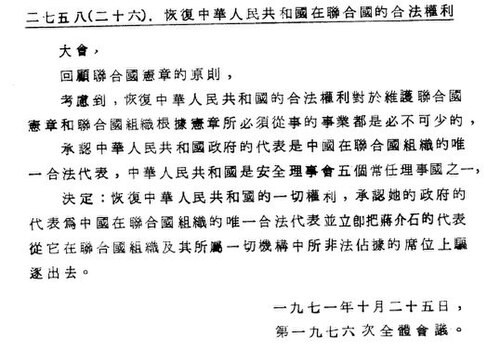 Restoration of China's Seat at the United Nations25 October 1971
On 25 October 1971 the 26th UN General Assembly passed Resolution 2758 by an overwhelming majority, restoring all the lawful rights of the People's Republic of China in the United Nations.
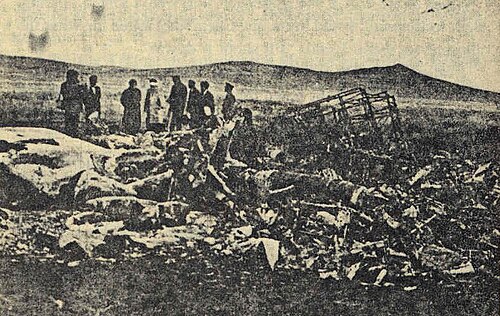 September 13 Incident13 September 1971
In September 1971 the Lin Biao clique's plot for an armed coup was exposed, and on 13 September Lin Biao and others fled by plane and died in a crash at Öndörkhaan, Mongolia.
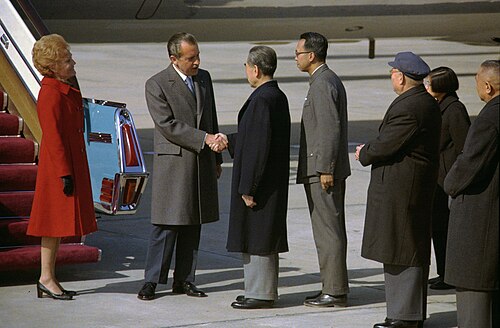 Ping-Pong Diplomacy and Nixon's Visit to China1971–1972
"Ping-pong diplomacy" in 1971 opened the door to contact between China and the United States, and Nixon's 1972 visit led to the Shanghai Communique and the start of normalization of relations.
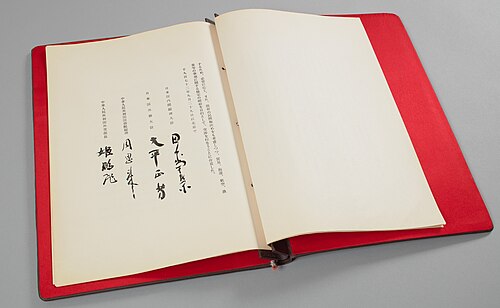 China–Japan Diplomatic Normalization1972
In September 1972 Japanese Prime Minister Kakuei Tanaka visited China, and the two countries issued a joint communiqué normalizing relations; many other countries then established ties with China.
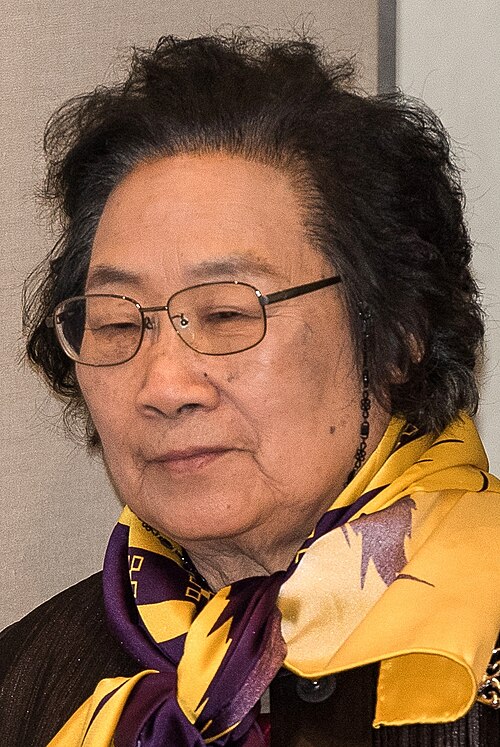 Tu Youyou Discovers ArtemisininEarly 1970s
In the early 1970s Tu Youyou’s team, inspired by an ancient medical text, extracted the antimalarial artemisinin from sweet wormwood, saving millions of lives; she won a Nobel Prize in 2015.
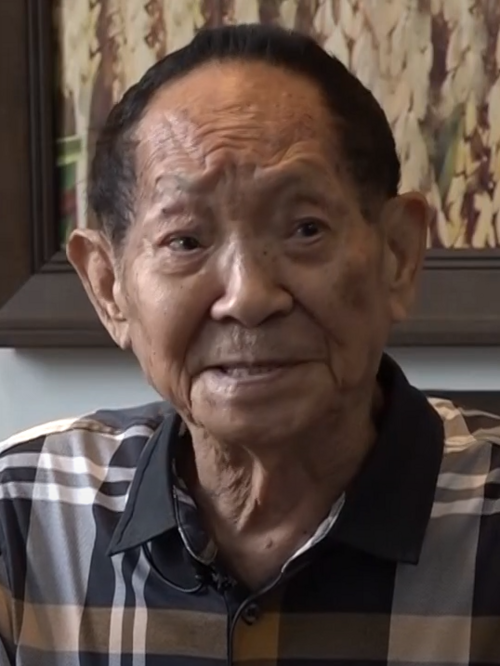 Yuan Longping Develops Indica Hybrid Rice1973
In 1973 Yuan Longping’s team successfully bred indica hybrid rice, greatly raising rice yields and contributing enormously to solving food problems in China and around the world.
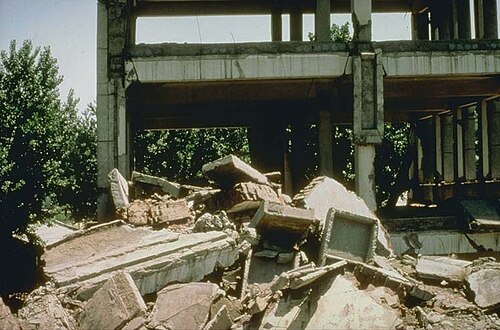 Tangshan Earthquake1976
On 28 July 1976 a magnitude 7.8 earthquake struck Tangshan, Hebei, killing more than 240,000 people; the whole country rallied to support relief and reconstruction.
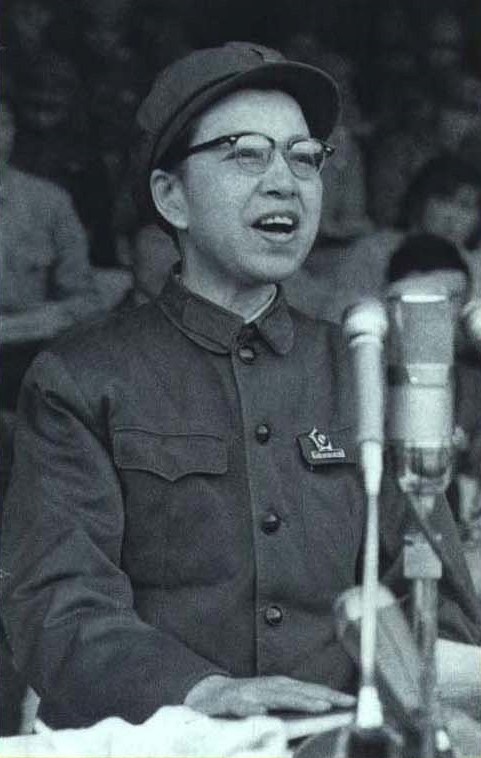 Tiananmen Incident and Fall of the Gang of FourApril and October 1976
In April 1976 mourning for Zhou Enlai grew into the April Fifth Movement against the Gang of Four; in October the Gang was smashed, ending the Cultural Revolution.
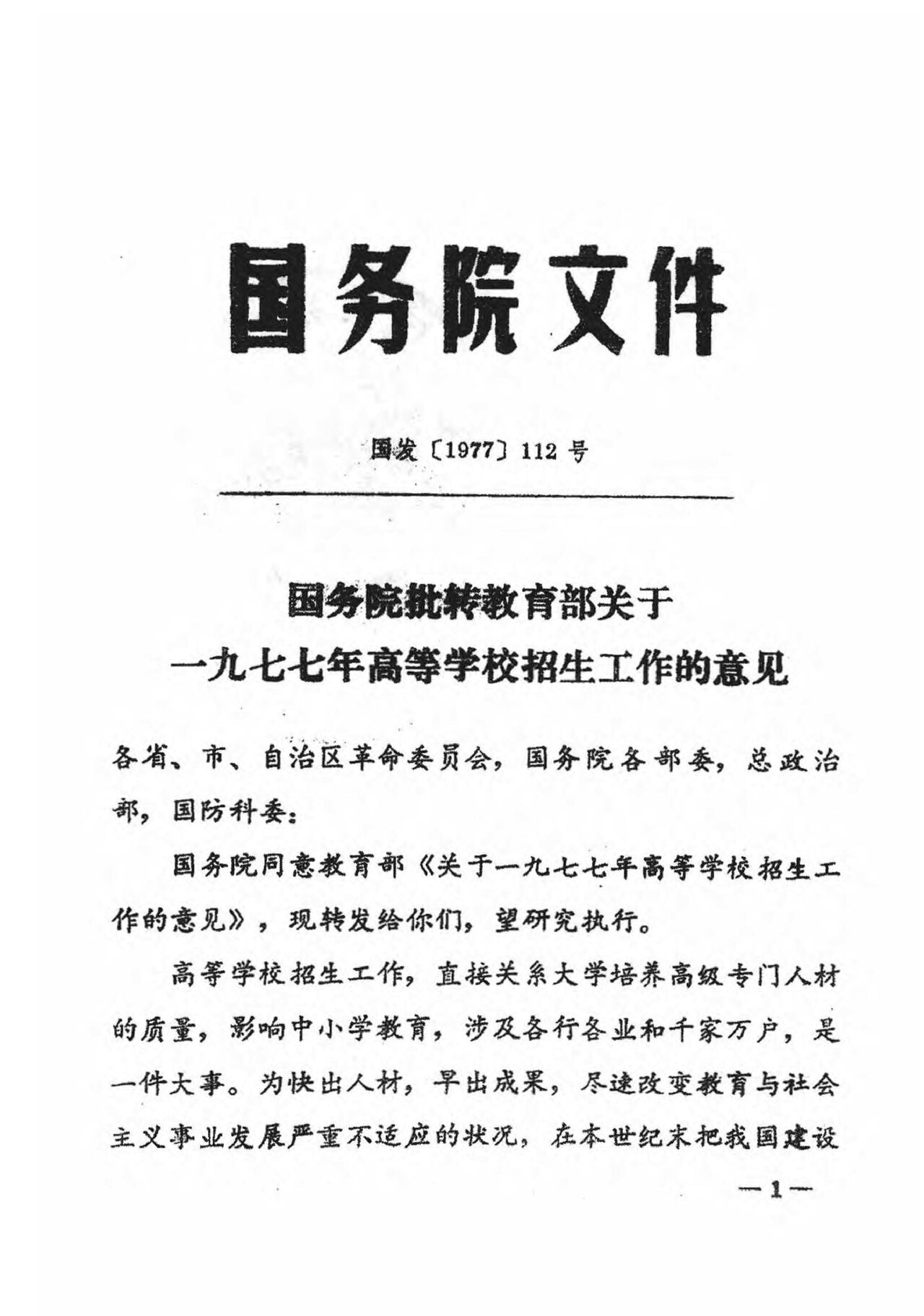 Reinstatement of the College Entrance ExamWinter 1977
In 1977, under Deng Xiaoping, the college entrance exam was restored after a ten-year break; 5.7 million sat it that winter, putting higher education back on track.
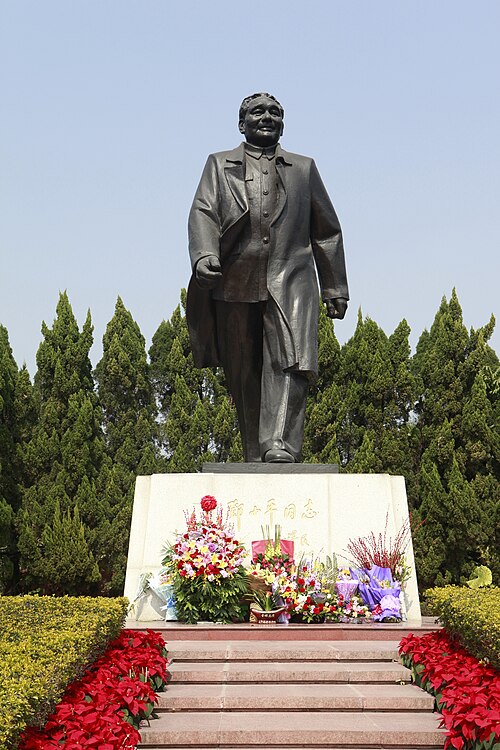 Third Plenum of the 11th Central CommitteeDecember 1978
In December 1978 the Third Plenum of the 11th Central Committee decided to shift the focus to economic construction and adopt reform and opening-up, a great historical turning point.
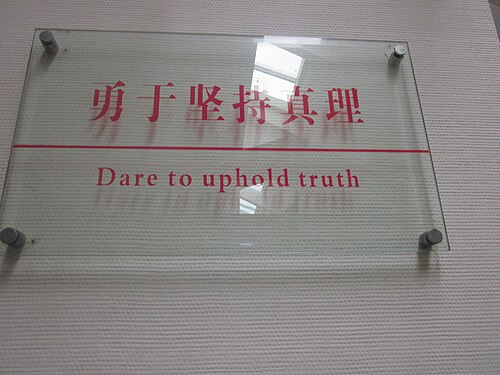 Debate on the Criterion of TruthMay 1978
In 1978 the article “Practice Is the Sole Criterion for Testing Truth” set off a great debate on the criterion of truth, breaking the “Two Whatevers” fetters and advancing the liberation of thought.
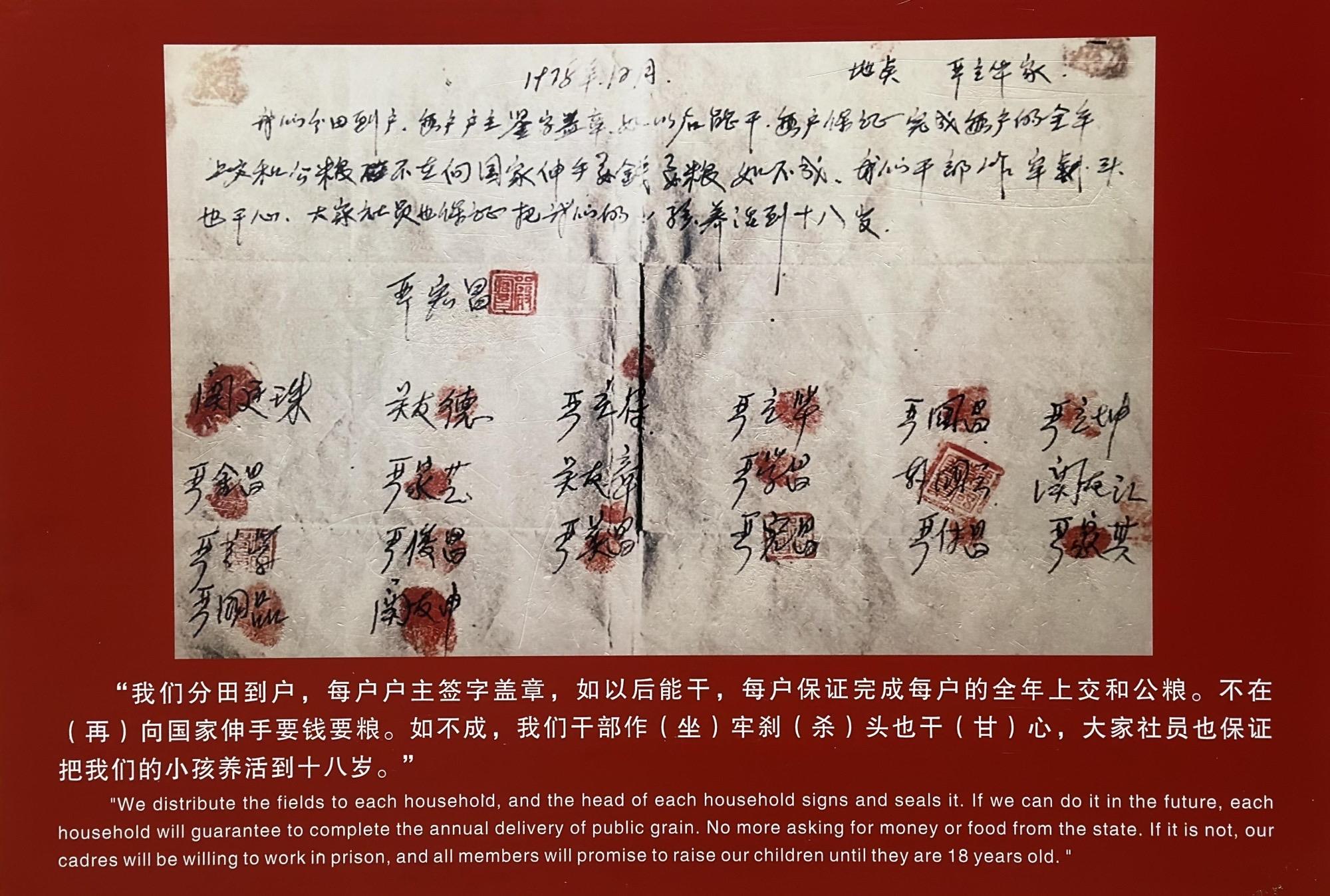 Xiaogang Village and Household ContractingFrom 1978
In 1978 eighteen farming households in Xiaogang Village, Anhui, secretly signed a “contract everything to households” pact, opening rural reform that then spread nationwide.
- Establishment of China–US Diplomatic Relations1979
China and the US issued a communiqué in December 1978 and formally established diplomatic relations on 1 January 1979, the US recognizing one China; Deng Xiaoping visited the US that year.
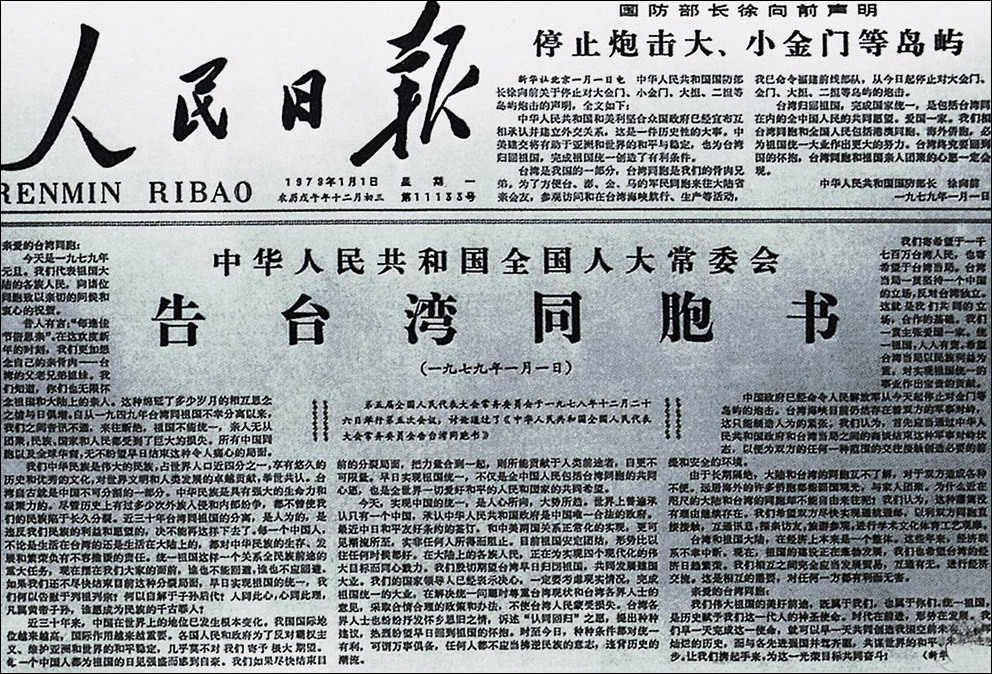 Message to Taiwan and One Country, Two SystemsFrom 1979
On New Year’s Day 1979 the NPC Standing Committee issued the Message to Compatriots in Taiwan proposing cross-strait “three links”; Deng Xiaoping later put forward “one country, two systems.”
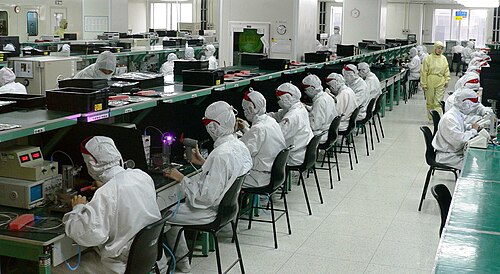 Special Economic Zones Established1980
In 1980 China set up special economic zones at Shenzhen, Zhuhai, Shantou and Xiamen as windows on the world; Shenzhen grew from a small fishing town into a modern metropolis.
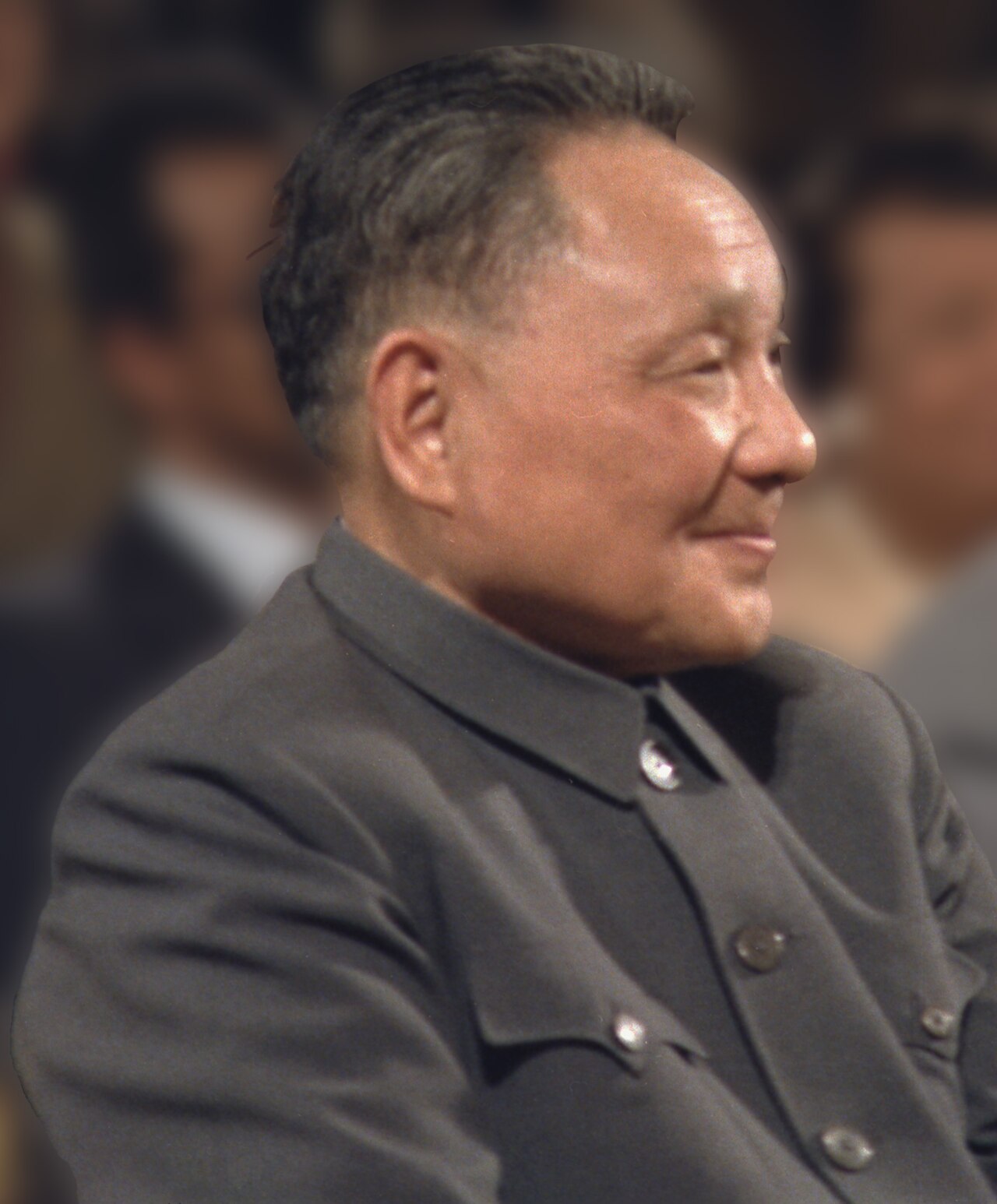 Setting Things Right and the History Resolution1980–1982
After 1978 unjust cases were redressed and wrongs set right; the 1981 Resolution on Party History fully repudiated the Cultural Revolution and gave an assessment of Mao Zedong.
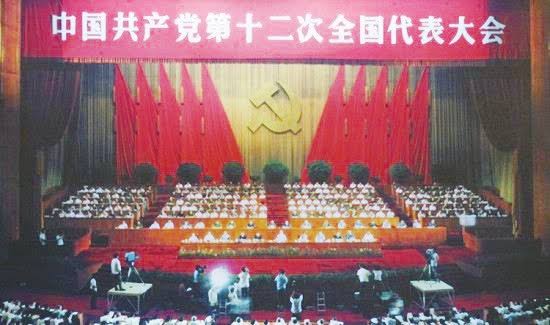 12th and 13th Party Congresses1982 and 1987
In 1982 Deng Xiaoping called for “building socialism with Chinese characteristics”; in 1987 the 13th Party Congress set out the primary stage of socialism and the Party’s basic line.
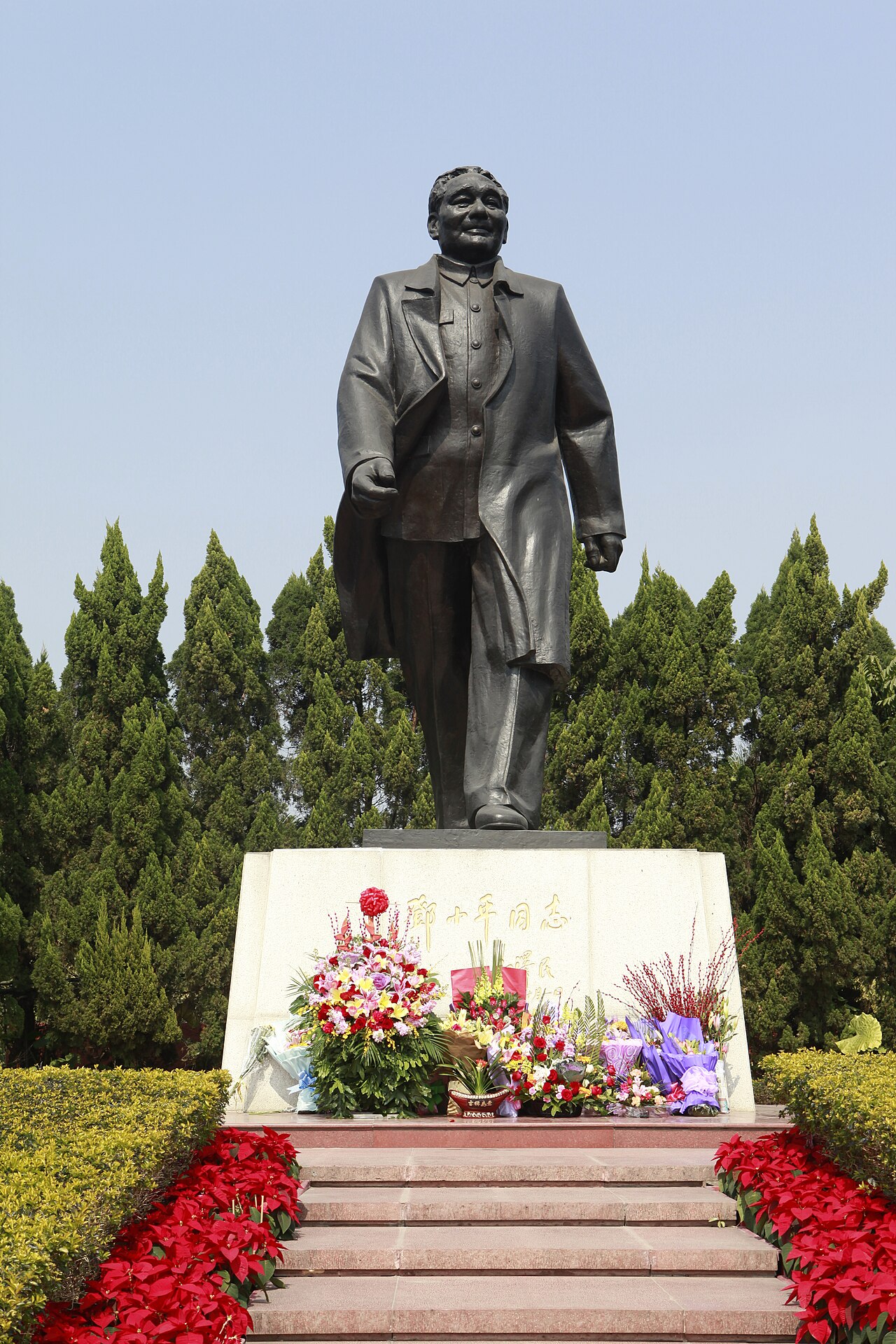 Urban Economic ReformOctober 1984
In October 1984 the Third Plenum of the 12th Central Committee adopted the Decision on Economic Structural Reform, shifting reform’s focus from countryside to cities and invigorating enterprises.
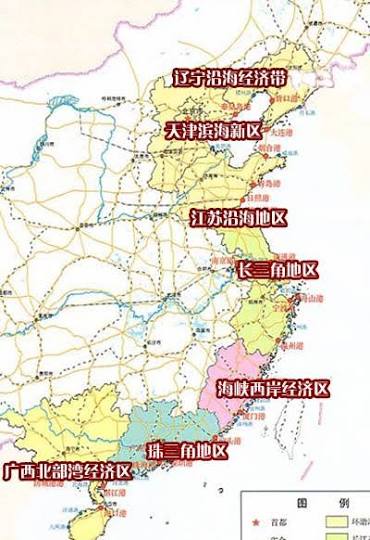 Opening of Coastal Cities and Open Economic Zones1984–1988
In 1984 China opened 14 coastal port cities, and from 1985 it created coastal open economic zones such as the Yangtze River Delta, gradually forming an all-round opening to the outside world.
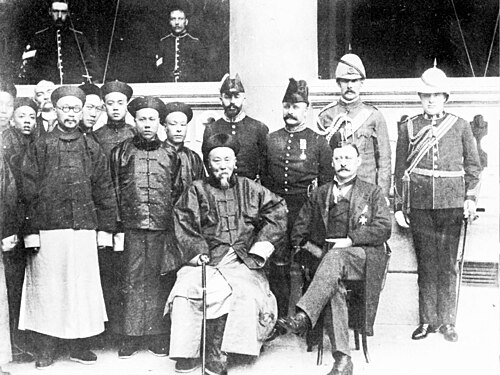 Sino-British Joint Declaration on Hong KongDecember 1984
In December 1984 China and Britain signed a joint declaration confirming China would resume sovereignty over Hong Kong on 1 July 1997, putting “one country, two systems” into practice.
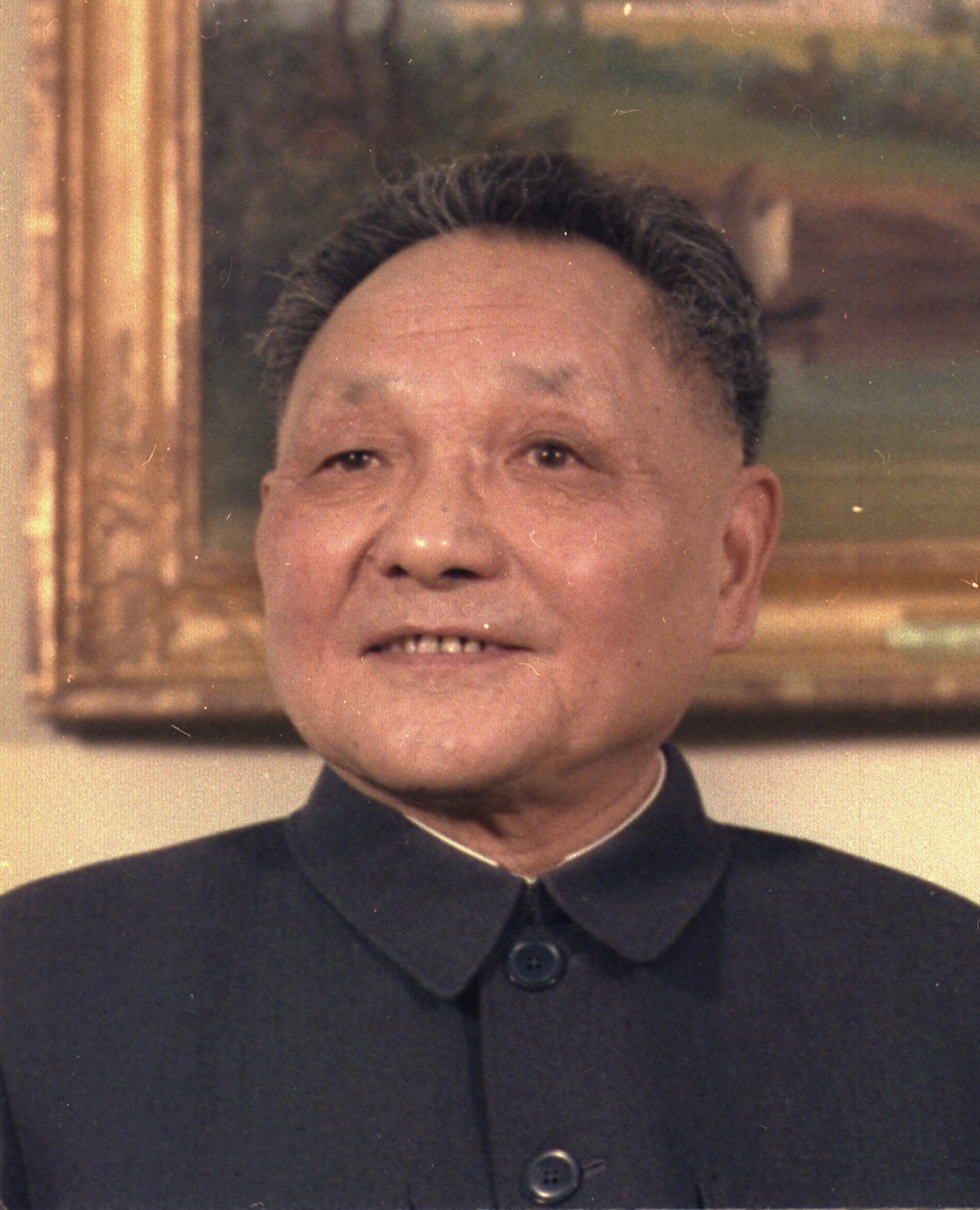 Million-Strong Troop Reduction1985–1987
In 1985 the Central Military Commission decided to cut the armed forces by one million, largely completed by 1987, setting the People’s Liberation Army on a path to a leaner force.
 The 863 Program and the 973 Program1986 and 1997
In 1986 four scientists proposed tracking world high technology, leading to the “863 Program”; the “973 Program” followed in 1997, boosting scientific and technological development.
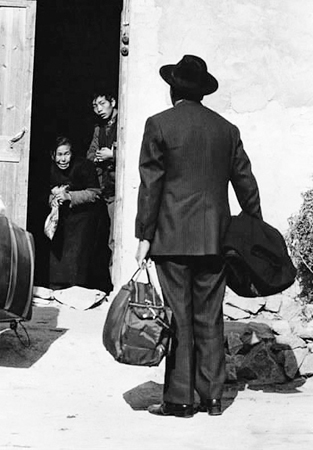 Taiwan Compatriots Visit Relatives on the MainlandFrom 1987
In 1987 the Taiwan authorities allowed residents to visit relatives on the mainland, ending nearly four decades of isolation; economic and cultural exchanges then grew rapidly.
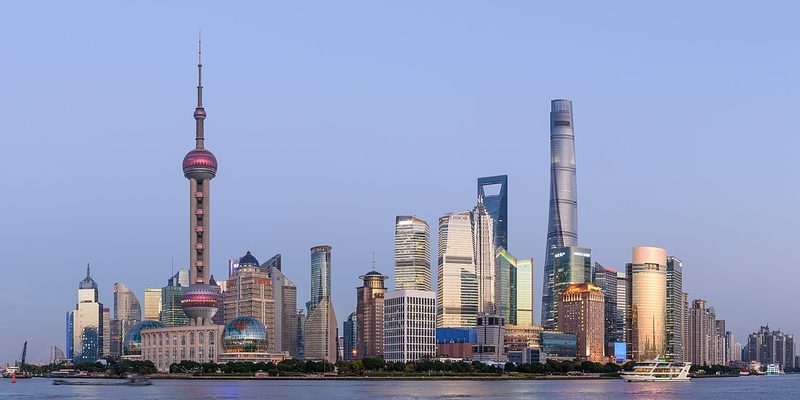 Development and Opening of Shanghai’s Pudong1990
In April 1990 the central government decided to develop and open Shanghai’s Pudong, which rapidly rose into a modern new district and drove growth across the Yangtze basin.
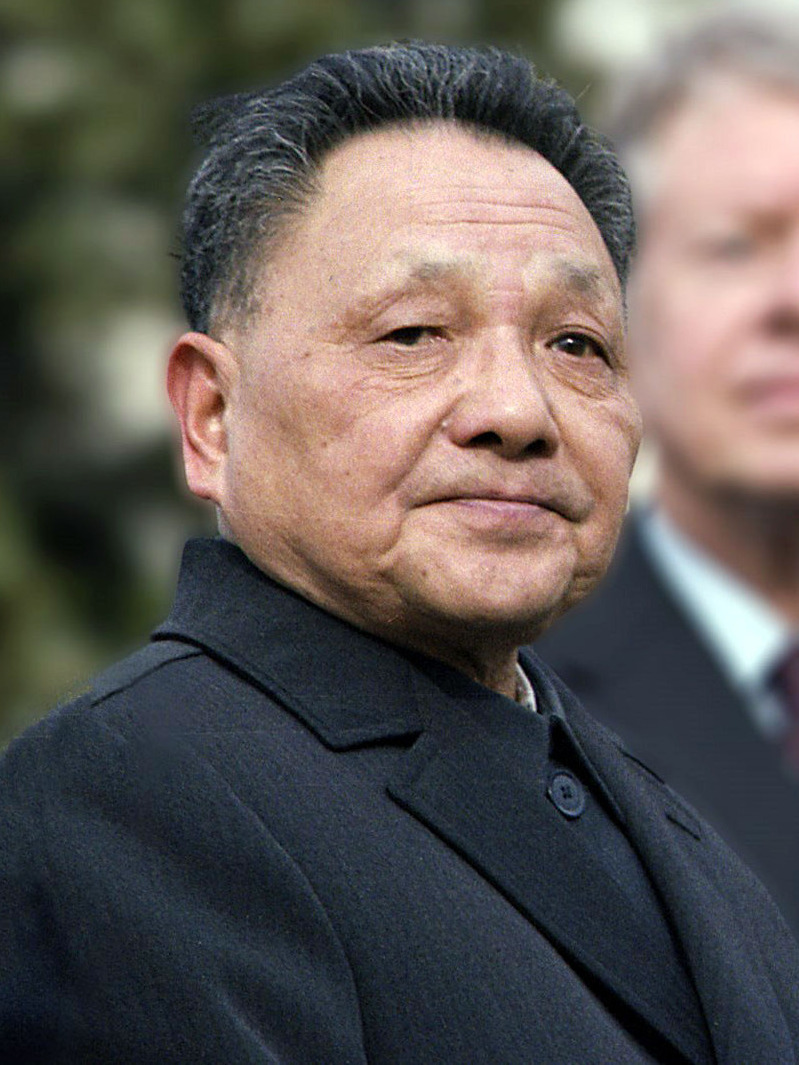 Deng Xiaoping’s Southern TourEarly 1992
In early 1992 Deng Xiaoping toured Wuchang, Shenzhen, Zhuhai and Shanghai and gave talks answering questions that troubled people’s minds, moving reform and opening-up into a new stage.
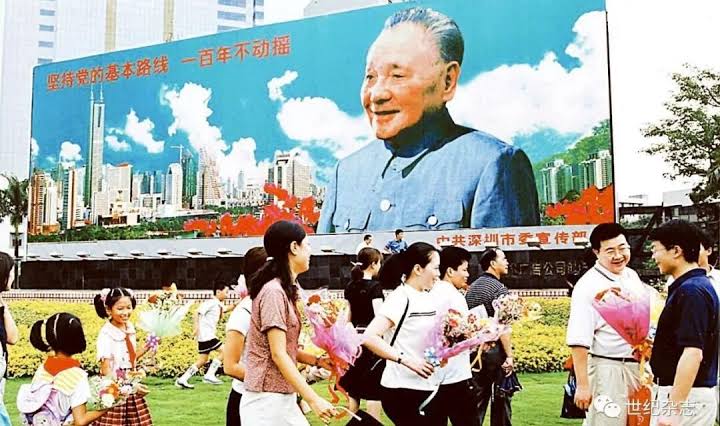 Establishing the Socialist Market Economy1992–1993
In 1992 the 14th Party Congress set the goal of economic reform as a socialist market economy, and in 1993 the Third Plenum of the 14th Central Committee outlined its basic framework.
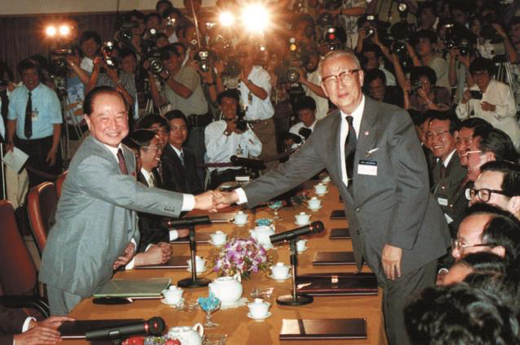 The “1992 Consensus” and the Wang–Koo Talks1990–1993
In 1992 the two cross-strait bodies each stated orally that “both sides of the Taiwan Strait adhere to the one-China principle,” the “1992 Consensus”; the Wang–Koo Talks were held in 1993.
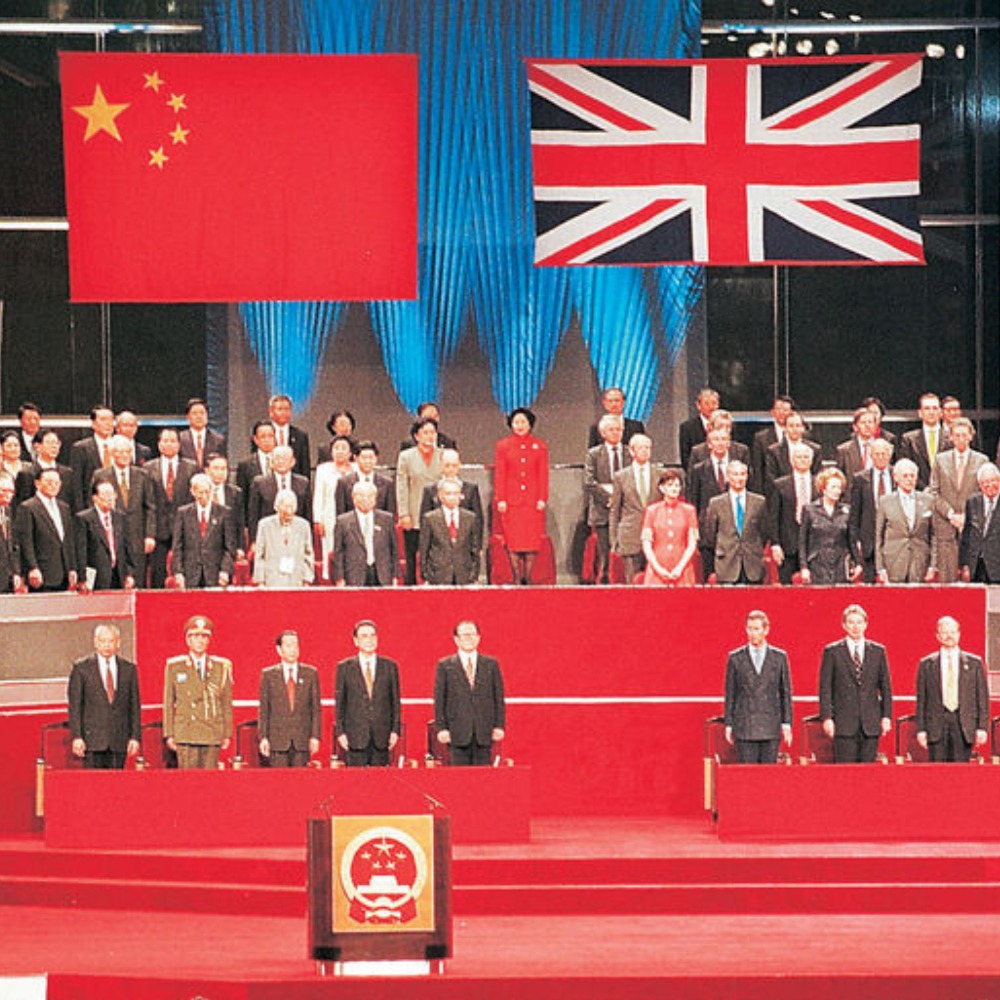 Hong Kong’s Return to China1 July 1997
On 1 July 1997 China resumed the exercise of sovereignty over Hong Kong and the Hong Kong Special Administrative Region was established, ending over 150 years of British colonial rule.
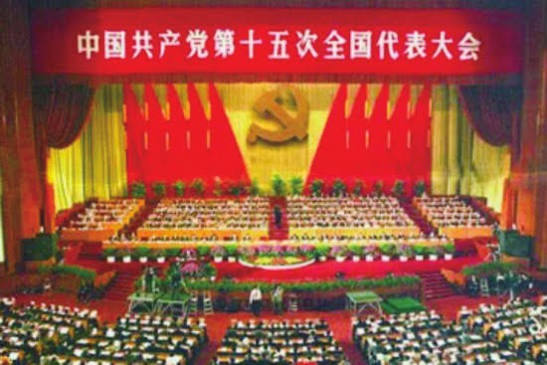 15th Party Congress and Deng Xiaoping Theory1997
In 1997 the 15th Party Congress established Deng Xiaoping Theory as the Party’s guiding ideology and set out the basic program for the primary stage of socialism.
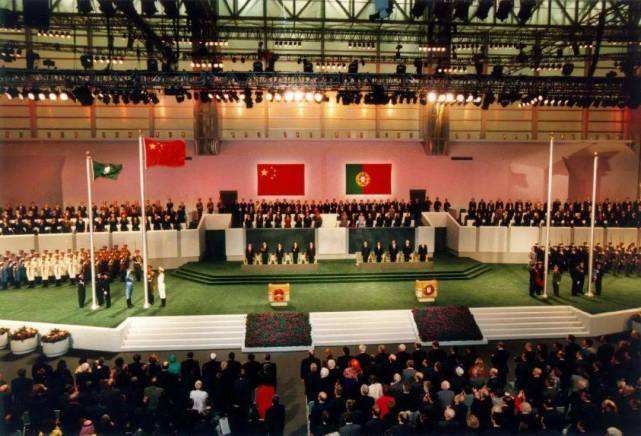 Macao’s Return to China20 December 1999
On 20 December 1999 China resumed the exercise of sovereignty over Macao and the Macao Special Administrative Region was established, a successful application of “one country, two systems.”
 Western Development StrategyFrom the late 20th century
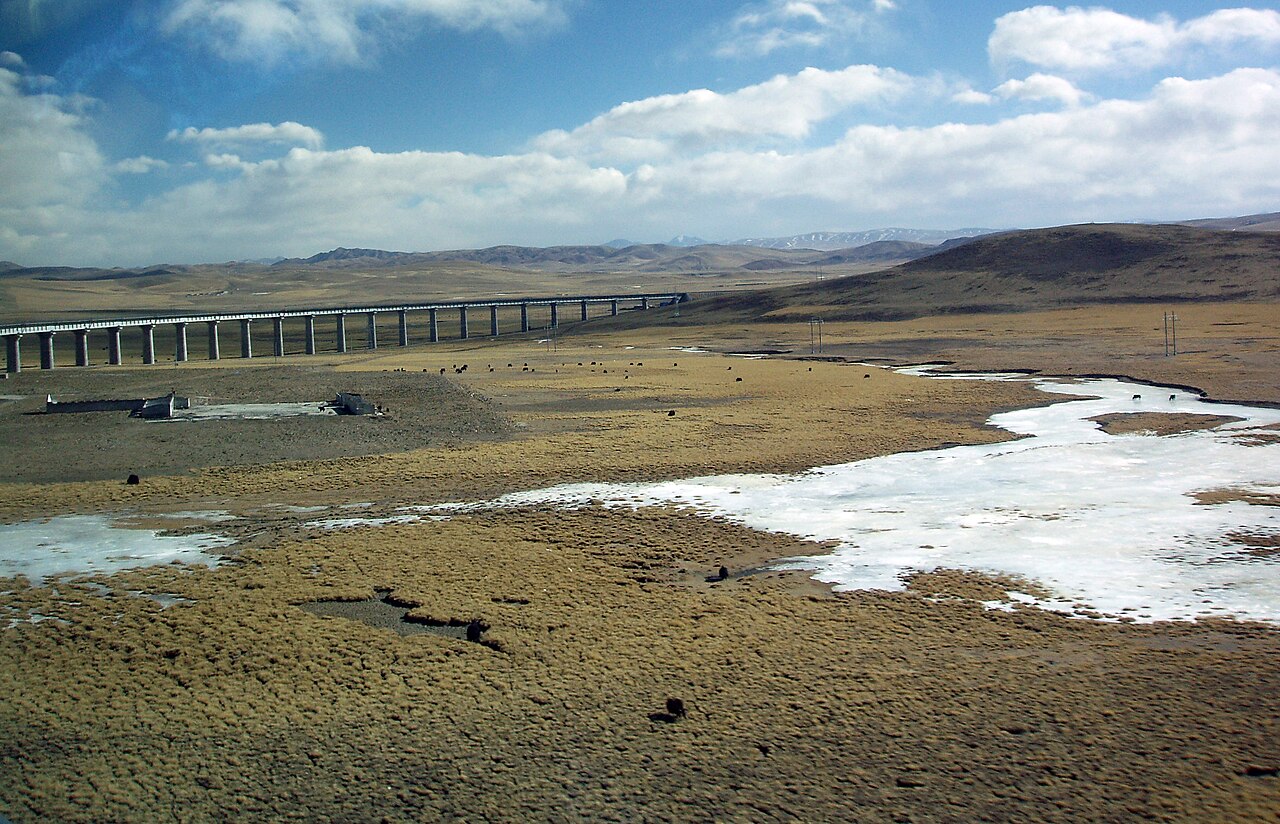
In 1999 the central government announced the Western Development strategy to speed growth in the west; major projects such as the West–East Gas Pipeline and Qinghai–Tibet Railway followed.
 China Joins the World Trade OrganizationDecember 2001
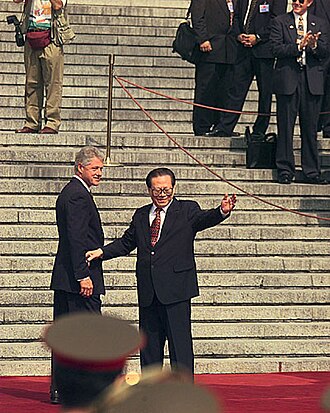
In December 2001, after 15 years of difficult negotiations, China formally joined the World Trade Organization, opening a new stage of opening-up; it later became the world’s largest goods trader.
 16th Party Congress and the “Three Represents”2002
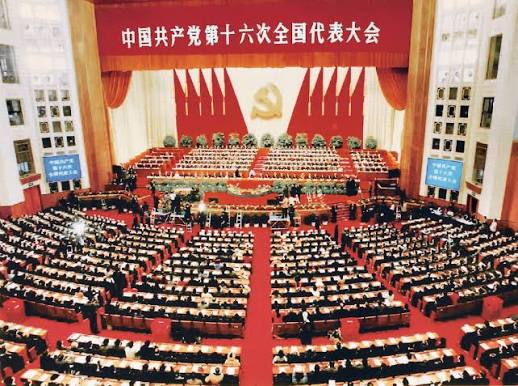
In 2002 the 16th Party Congress made the “Three Represents” the Party’s guiding ideology and set the goal of building a moderately prosperous society in all respects.
 Shenzhou 5 and the First Chinese Spacewalk1999–2008
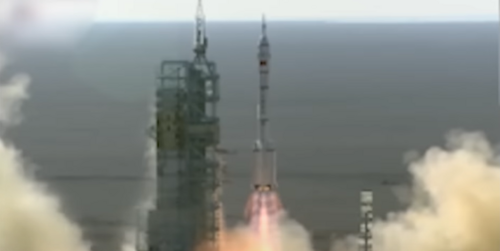
In 2003 Yang Liwei flew on Shenzhou 5, making China the third country to master crewed spaceflight independently; in 2008 Zhai Zhigang made China’s first spacewalk.
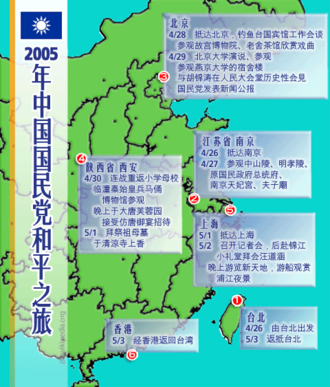 Lien Chan’s “Journey of Peace” and Hu–Lien Meeting2005
In 2005 Kuomintang chairman Lien Chan led a delegation to the mainland and held the first KMT–CPC leaders’ talks in sixty years with Hu Jintao, issuing a common vision for peaceful development.
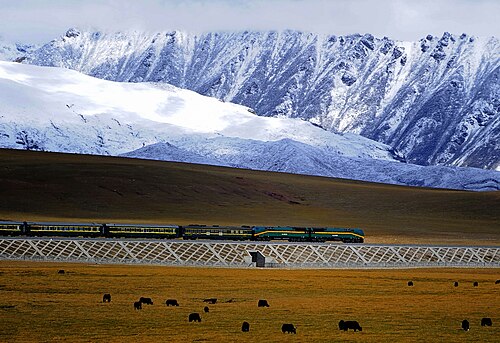 Qinghai–Tibet Railway Opens2006
On 1 July 2006 the entire Qinghai–Tibet Railway opened to traffic, the world’s highest and longest plateau railway, ending Tibet’s lack of rail service.
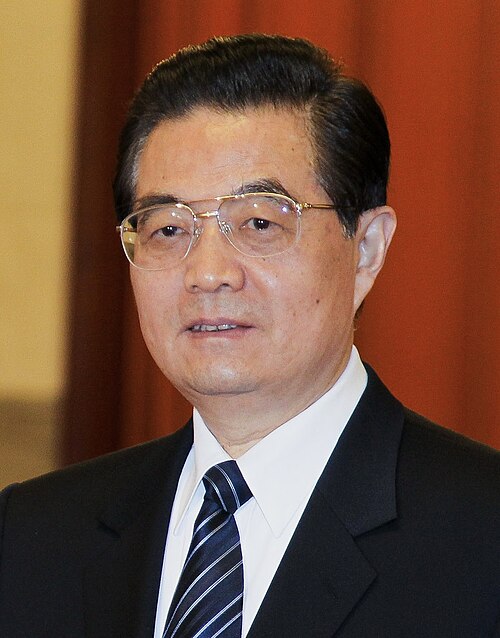 17th Party Congress and Scientific Outlook2007
In 2007 the 17th Party Congress wrote the Scientific Outlook on Development into the Party constitution, stressing development first, putting people first, and comprehensive, sustainable growth.
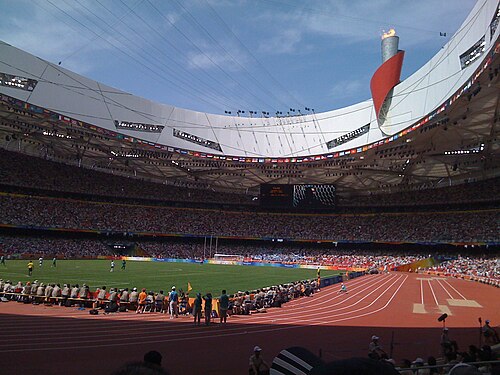 Beijing Olympic GamesAugust 2008
In August 2008 Beijing hosted the 29th Olympic Games, where the Chinese delegation won 51 gold medals and topped the gold-medal table for the first time, fulfilling a century-old Olympic dream.
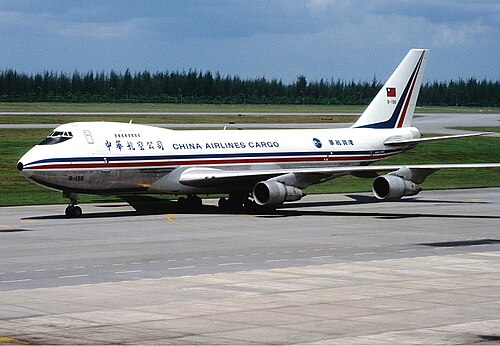 Cross-Strait “Three Links” AchievedNovember 2008
On 15 December 2008 direct cross-strait sea and air transport and direct mail were fully launched, essentially achieving full, direct, two-way “three links.”
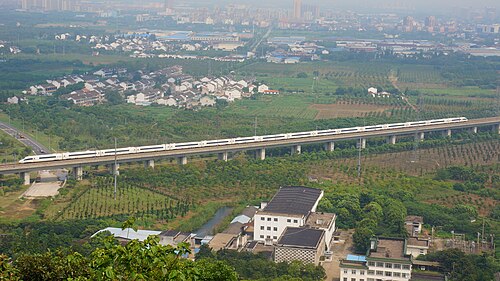 Beijing–Shanghai High-Speed Railway Opens30 June 2011
On 30 June 2011 the Beijing–Shanghai High-Speed Railway opened, about 1,318 km long, then the longest and highest-standard high-speed line ever built in a single phase.
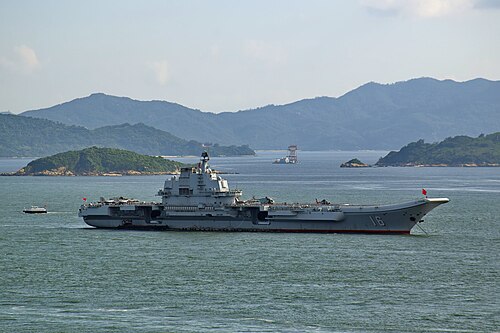 Aircraft Carrier Liaoning Enters ServiceSeptember 2012
In September 2012 China’s first aircraft carrier, the Liaoning, was handed over to the navy and J-15 fighters landed on it that year, bringing the navy into the carrier age.
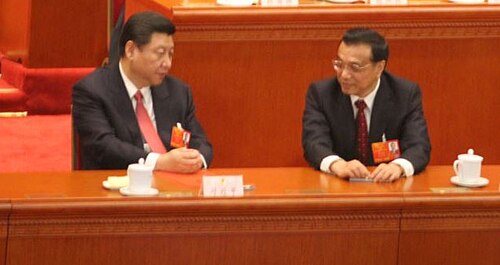 18th Party Congress and Mo Yan’s Nobel Prize2012
In 2012 the 18th Party Congress elected a leadership with Xi Jinping as general secretary; the same year Mo Yan became the first Chinese citizen to win the Nobel Prize in Literature.
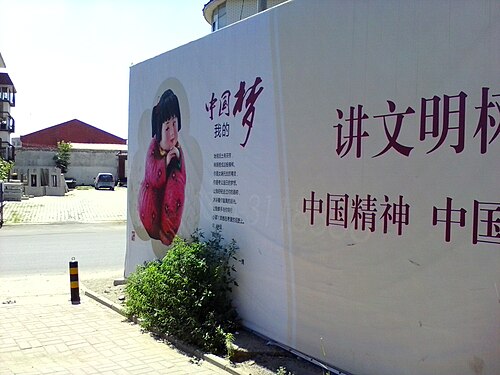 The Chinese Dream and the “Four Comprehensives”2012–2015
In 2012 Xi Jinping put forward the Chinese Dream, followed by the “Four Comprehensives”; in 2015 a new development philosophy of innovation, coordination, green, open and shared growth was proposed.
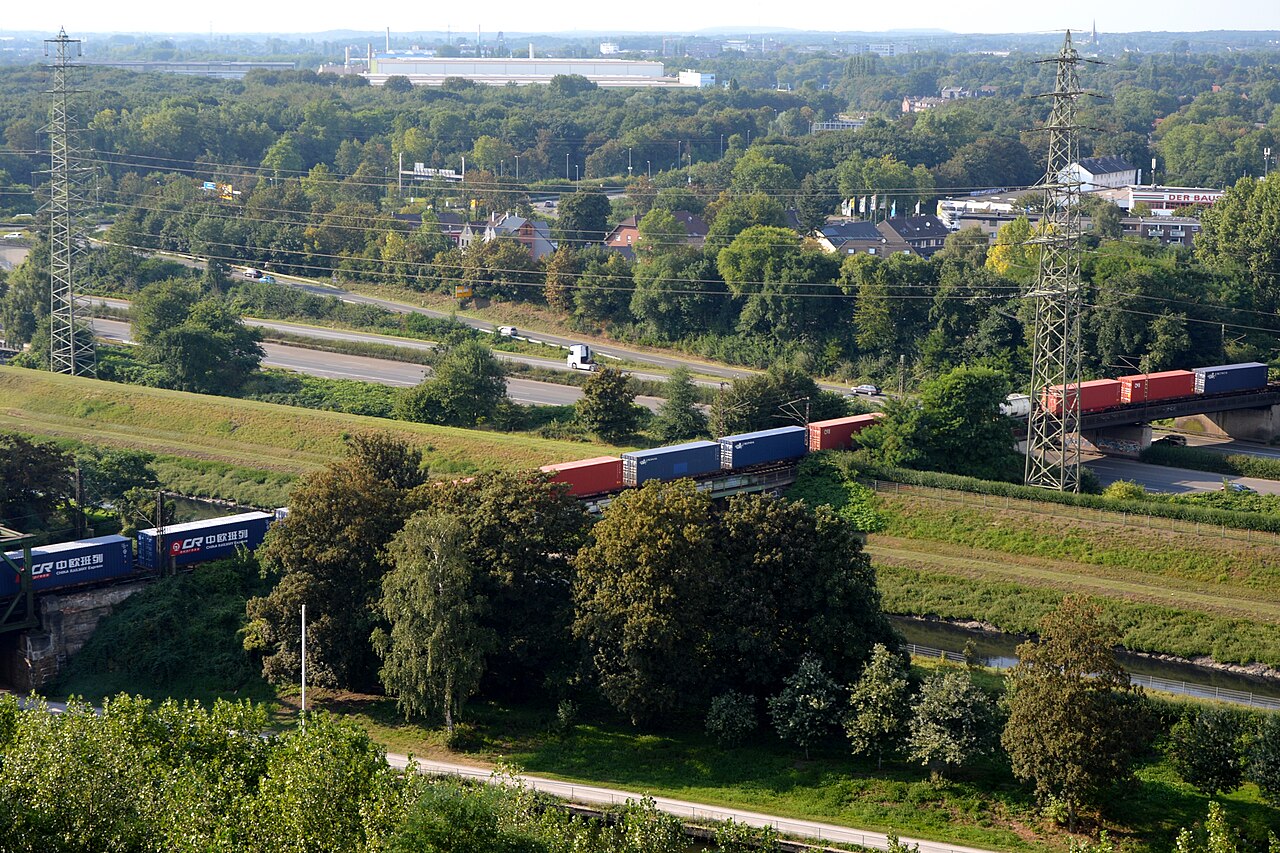 The Belt and Road Initiative and the AIIB2013–2015
In 2013 Xi Jinping proposed building the Silk Road Economic Belt and the 21st Century Maritime Silk Road; the Asian Infrastructure Investment Bank was founded in 2015.
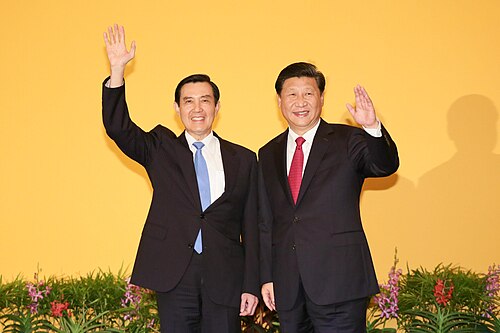 Xi Jinping and Ma Ying-jeou Meet in SingaporeNovember 2015
In November 2015 Xi Jinping and Ma Ying-jeou met in Singapore, the first meeting of cross-strait leaders since 1949, with both sides affirming the “1992 Consensus.”
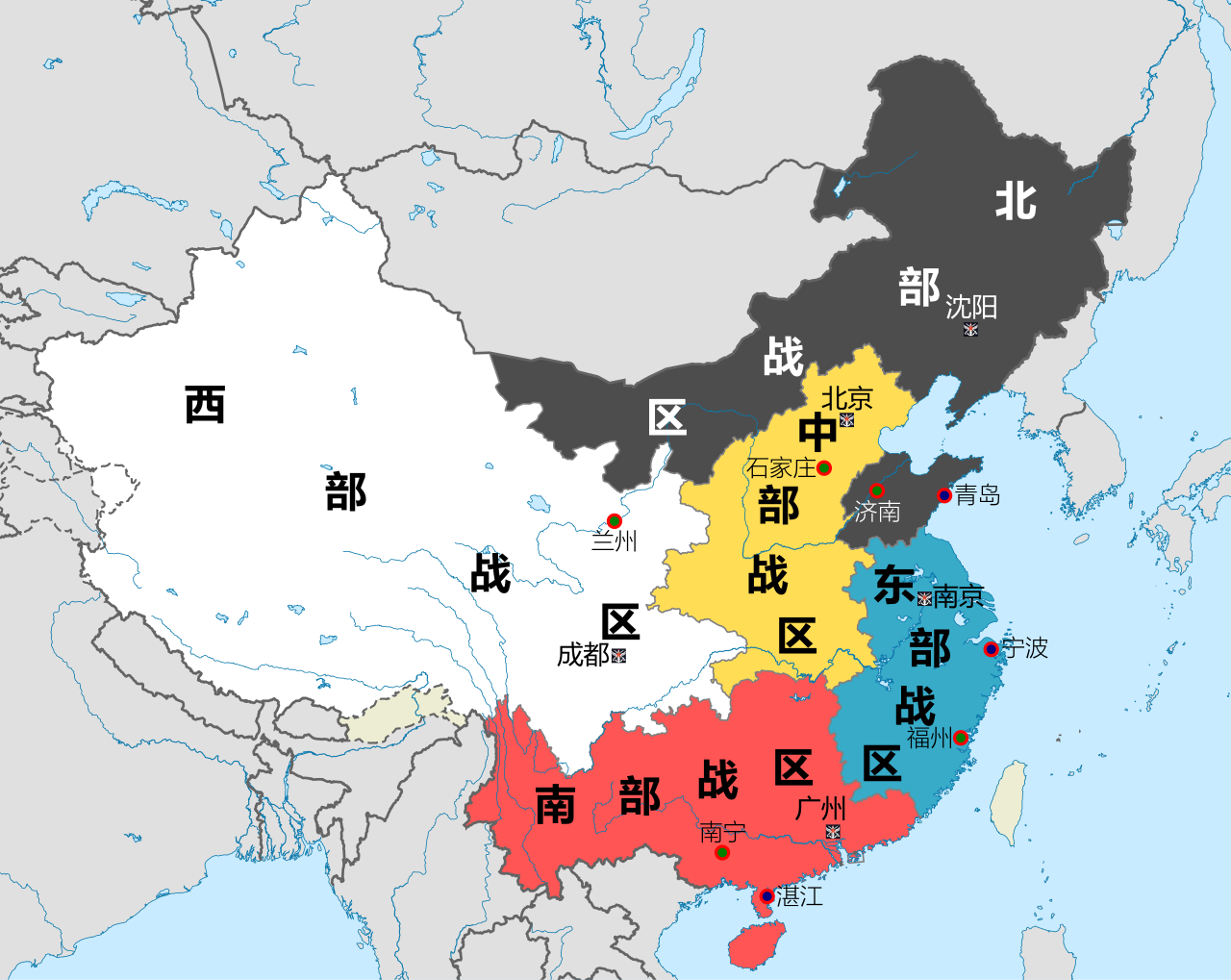 Defense and Military Reform: Five Theater Commands2014–2017
From late 2015 China pushed defense and military reform, creating the Rocket Force and Strategic Support Force, and in 2016 replacing seven military regions with five theater commands.
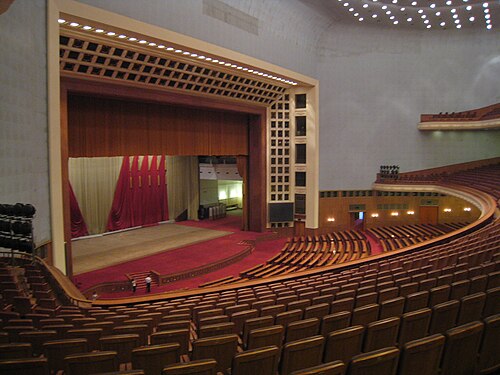 19th Party Congress and the New Era2017
In 2017 the 19th Party Congress declared that socialism with Chinese characteristics had entered a new era and made Xi Jinping Thought the Party’s guiding ideology.
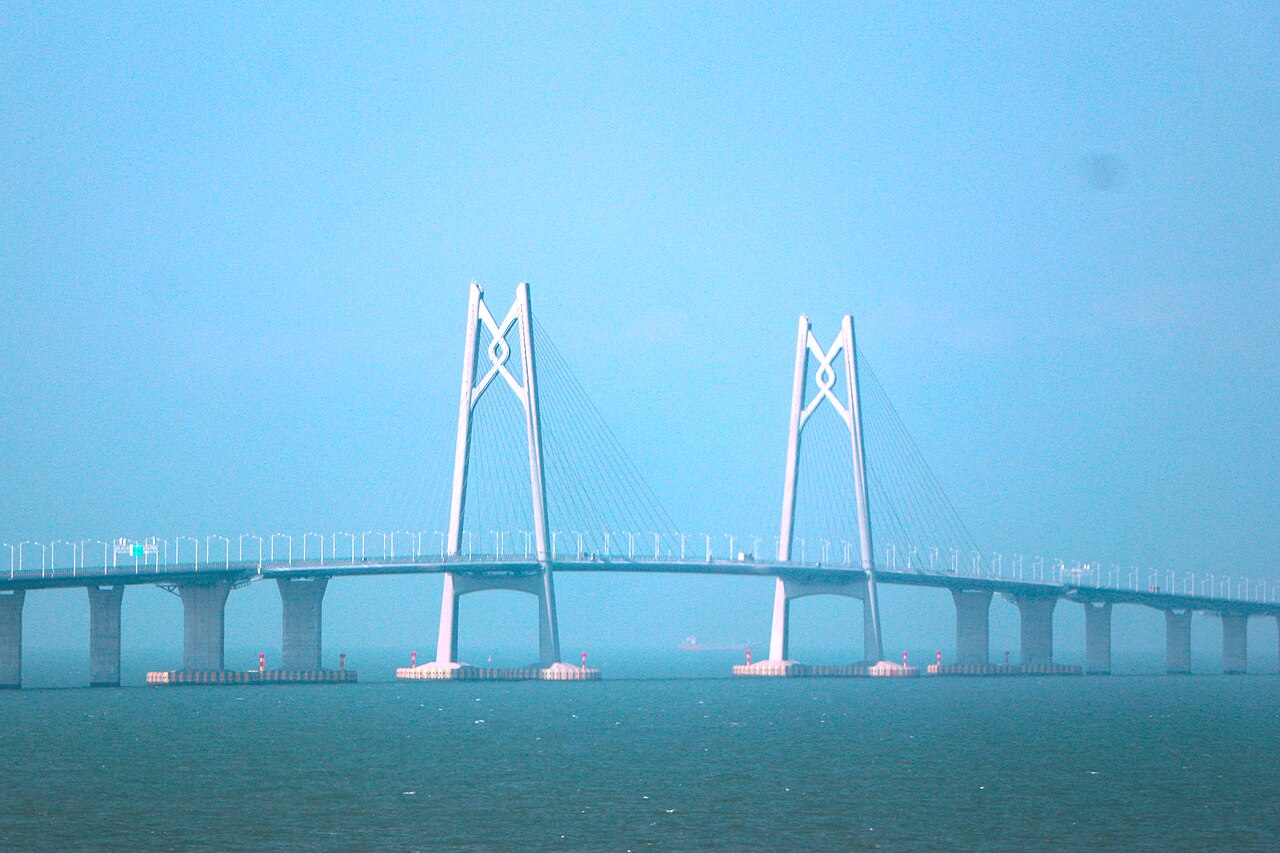 Hong Kong–Zhuhai–Macao Bridge Opens23 October 2018
On 23 October 2018 the Hong Kong–Zhuhai–Macao Bridge officially opened, linking the three cities over about 55 km and forming the world’s longest sea-crossing bridge system.
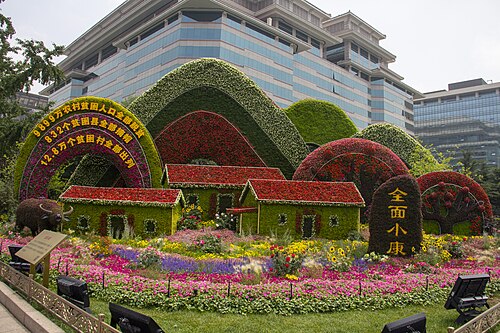 Party Centenary and a Moderately Prosperous Societ1 July and November 2021
On 1 July 2021 a meeting marking the Party’s 100th anniversary announced that China had built a moderately prosperous society in all respects and eliminated absolute poverty for the first time.