MingAD 1368–1644
Ming: Timeline of Events (AD 1368–1644)
Zheng He's voyages; the Great Wall and the Forbidden City are built
View on the timelineEvents in this period
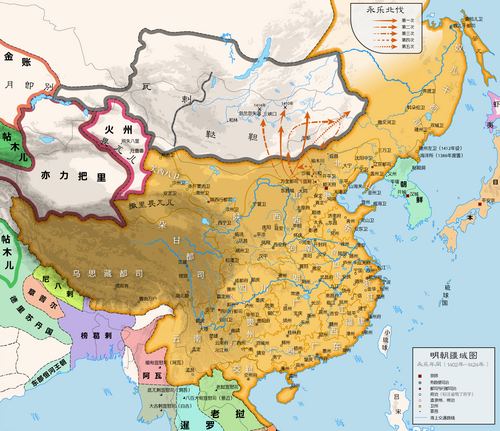 Founding of the Ming Dynasty1368
In 1368 Zhu Yuanzhang proclaimed the Ming at Yingtian with the era name Hongwu; Ming forces took Dadu that year and the Yuan emperor fled north.
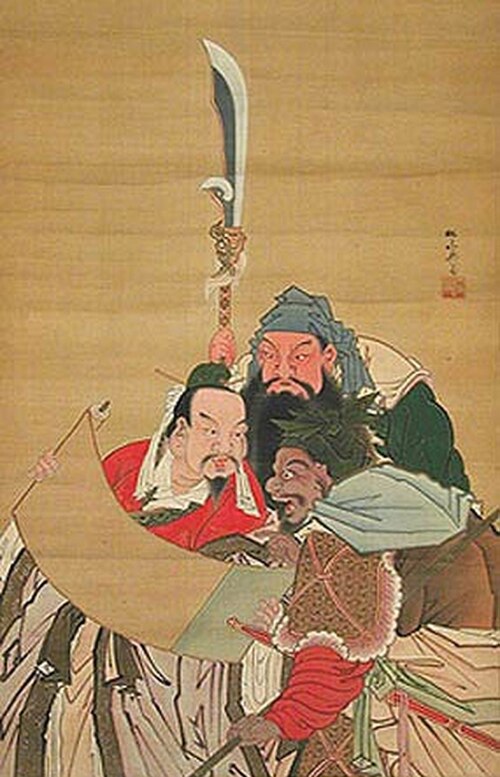 Romance of the Three Kingdoms and Water Margin Take ShapeLate Yuan–Early Ming
In the late Yuan and early Ming, Luo Guanzhong wrote Romance of the Three Kingdoms and Shi Nai'an wrote Water Margin, long novels refined from Song and Yuan storytellers' scripts.
 Abolition of the Chancellor and Stronger Imperial PowerReigns of Ming Taizu and Chengzu
Ming Taizu replaced the Branch Secretariats with three provincial commissions and in 1380 abolished the chancellorship, the six ministries answering directly to the emperor.
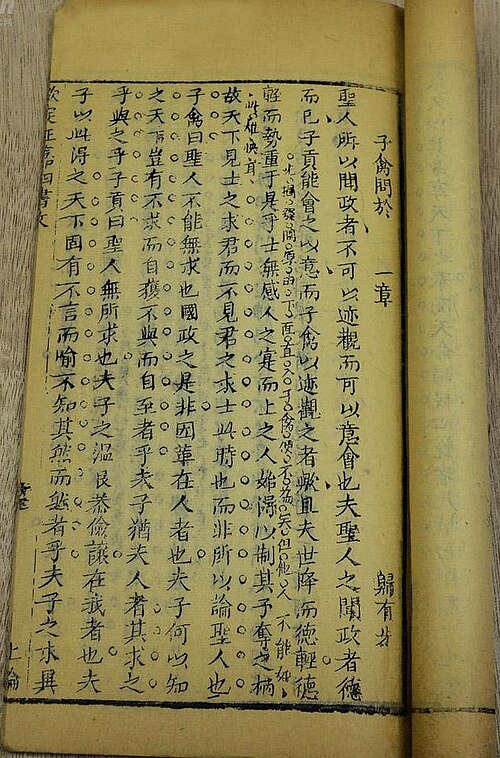 The Eight-Legged Essay ExaminationsMing Dynasty
Ming examinations drew on the Four Books and Five Classics, followed Zhu Xi's commentaries and required fixed-format eight-legged essays, which constrained thought.
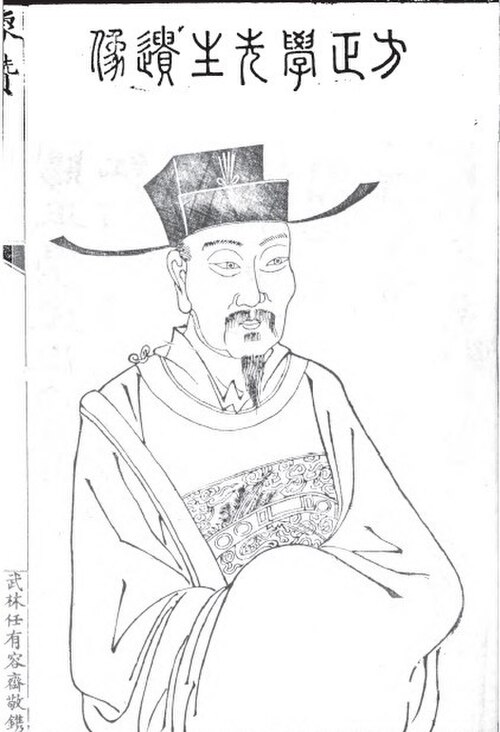 The Jingnan CampaignReign of the Jianwen Emperor
The Jianwen Emperor's curtailing of the princes led Zhu Di, Prince of Yan, to revolt; after four years he took Nanjing and the throne as the Yongle Emperor, later moving the capital to Beijing.
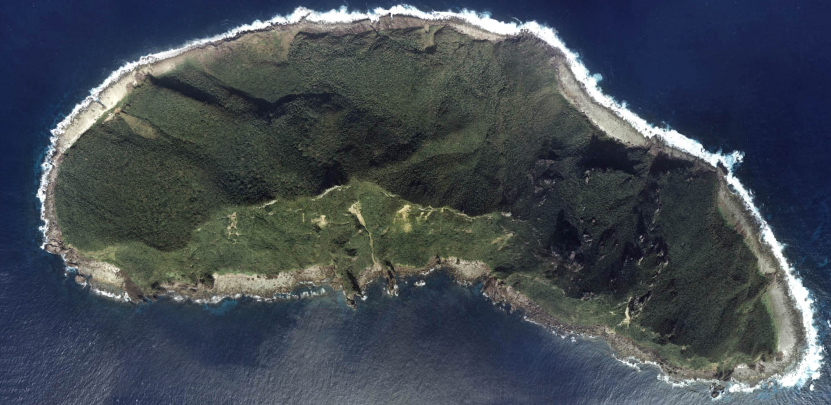 Shunfeng Xiangsong Earliest Records the Diaoyu Islands1403 (Yongle 1)
The navigation manual Shunfeng Xiangsong, first compiled in 1403, is the earliest extant text to record the Diaoyu Islands, indicating Chinese discovery and naming of them.
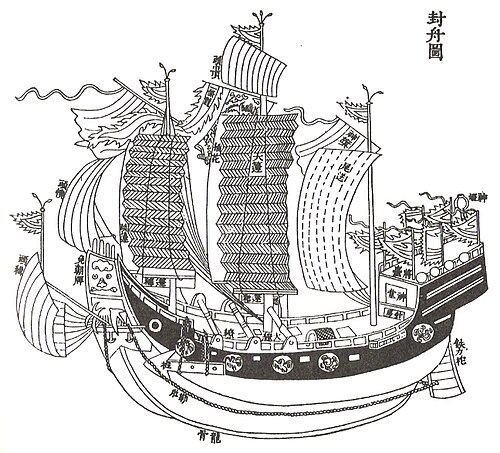 Zheng He's Voyages1405–1433
From 1405 to 1433 Zheng He led seven voyages to over 30 countries of Asia and Africa, reaching East Africa and the Red Sea, a landmark in the history of navigation.
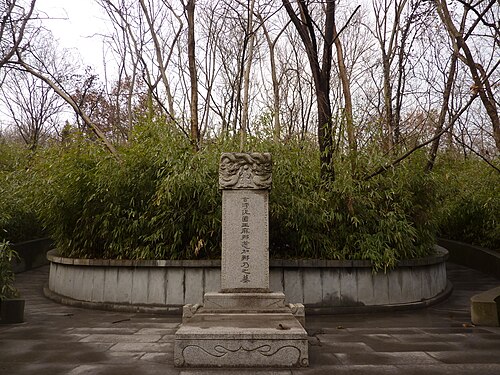 Early Ming Foreign Relations (Visits by the Kings of Brunei and Sulu)Early Ming
The early Ming developed friendly ties with neighbors; the kings of Brunei and Sulu died while visiting China and were buried in Nanjing and Dezhou as they wished.
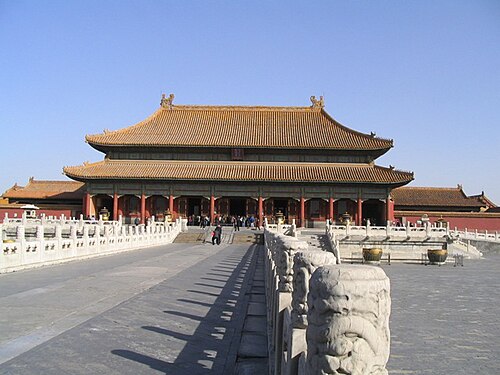
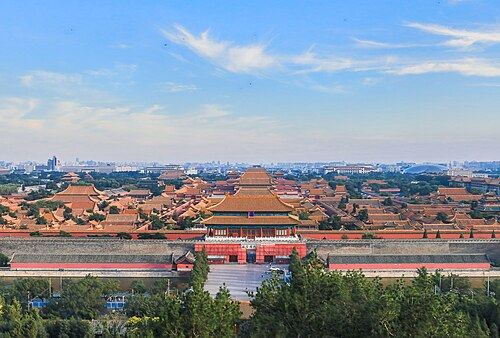 Building Beijing and the Forbidden City1406–1420
The Yongle Emperor ordered Beijing's palaces built in 1406; they were largely complete in 1420 and the capital moved in 1421. The Forbidden City is the largest surviving palace complex.
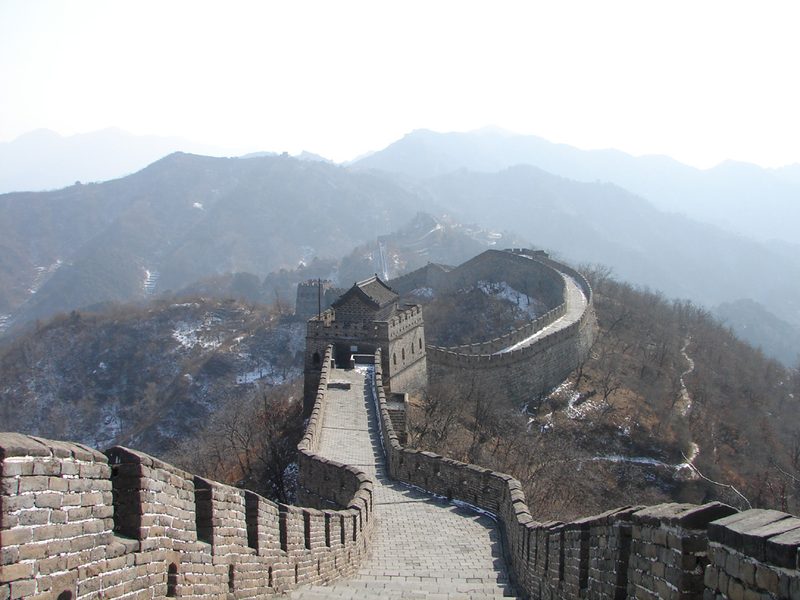 Building the Ming Great WallMing Dynasty (built 18 times)
To defend against Mongol nobles, the Ming rebuilt the Great Wall 18 times, from the Yalu River to Jiayuguan; it forms the main part of the Wall seen today.
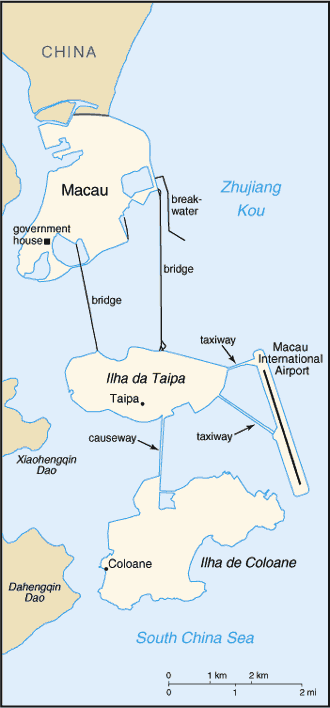 Portuguese Gain Residence at Macao1553
In 1553 Portuguese colonists, claiming they needed to dry their cargo, bribed local officials for the right to stay at Macao, though sovereignty over Macao remained with China.
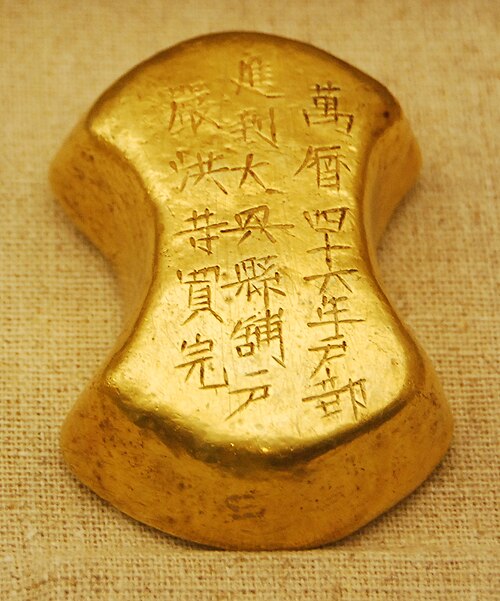 Ming Economic Growth (American Crops, Merchant Groups)Mid to Late Ming
The Ming adopted American crops such as maize and sweet potato, spread cotton weaving, made Jingdezhen a porcelain center and saw merchant groups like the Shanxi and Huizhou merchants arise.
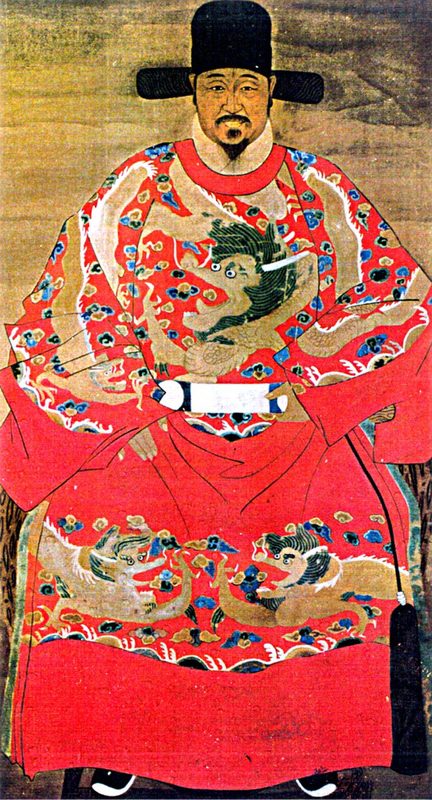 Qi Jiguang Fights the Japanese PiratesMid-16th Century
Qi Jiguang raised the "Qi Family Army" and devised the "Mandarin duck formation", winning nine battles in nine at Taizhou in 1561 and, with Yu Dayou, largely ending the pirate threat.
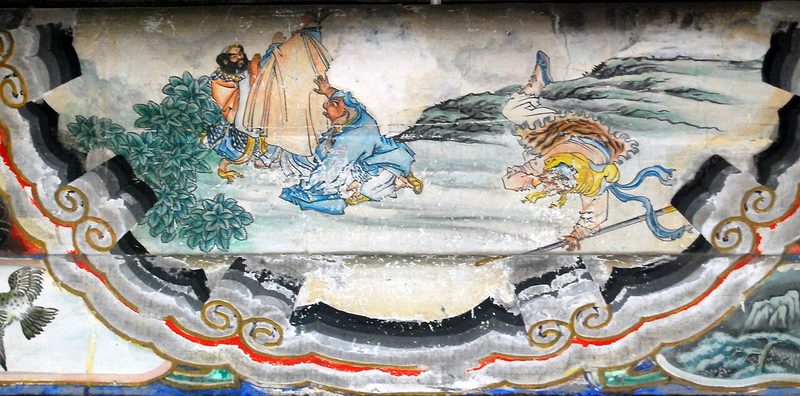 Wu Cheng'en Writes Journey to the WestMid-Ming
In the mid-Ming Wu Cheng'en wrote the mythological novel Journey to the West, based on Xuanzhang's pilgrimage, creating the mythic hero Sun Wukong.
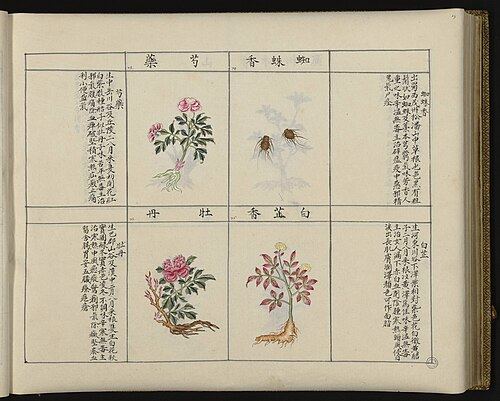 Li Shizhen Writes the Compendium of Materia MedicaMid to Late Ming
The physician Li Shizhen spent 27 years compiling the Compendium of Materia Medica, recording over 1,800 drugs and 10,000 prescriptions, hailed as the "great medical canon of the East".
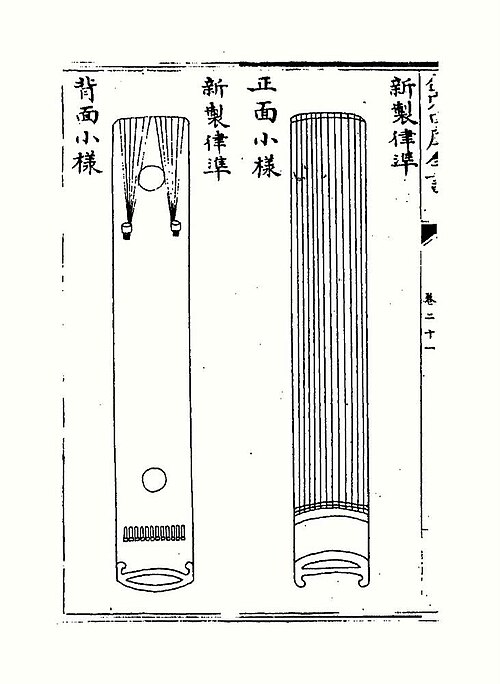 Twelve-tone equal temperament1596
Zhu Zaiyu developed a precise twelve-tone tuning system.
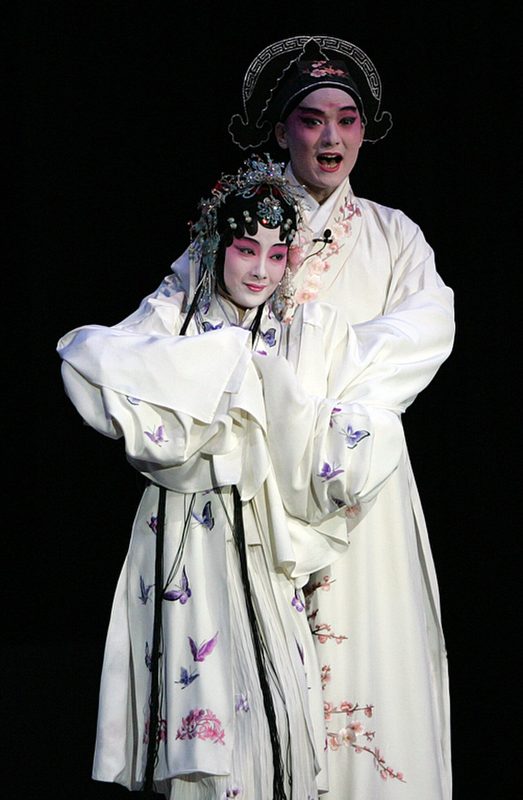 Tang Xianzu's The Peony PavilionLate Ming
The late Ming dramatist Tang Xianzu wrote The Peony Pavilion, whose love story of Du Liniang and Liu Mengmei criticizes feudal propriety; it is a Kunqu classic.
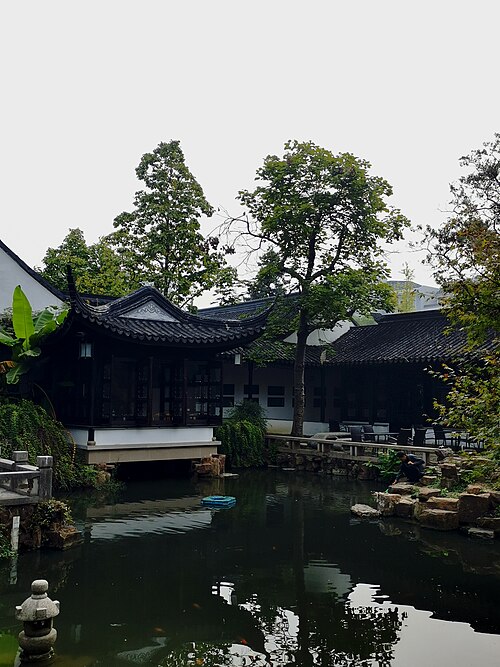 Donglin Academy1604
Donglin Academy became a center of late Ming debate.
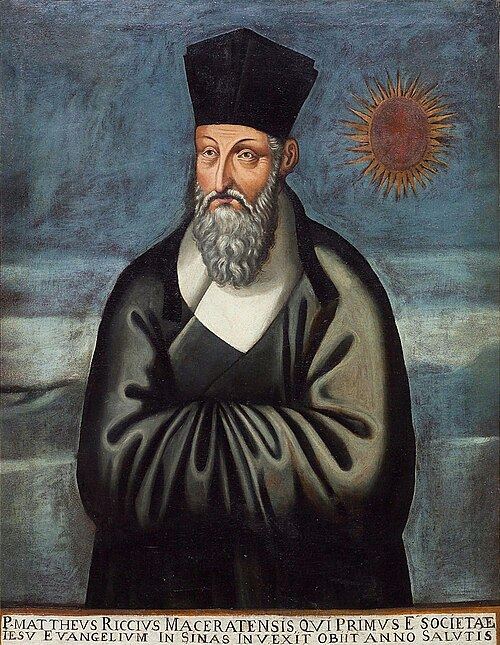 Xu Guangqi and Matteo Ricci Translate ElementsMid to Late Ming
Xu Guangqi and the Italian missionary Matteo Ricci translated the first six books of Euclid's Elements, fixing Chinese terms such as "geometry", "point" and "line".
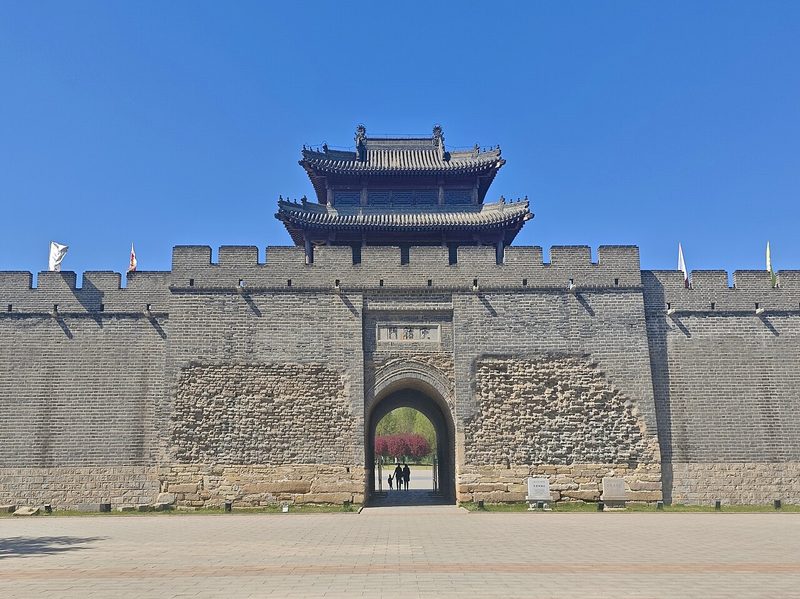 Nurhaci Founds the Later Jin1616
In 1616 Nurhaci united the Jurchen tribes and founded the Later Jin at Hetu Ala; his Eight Banners system joined military and civil rule.
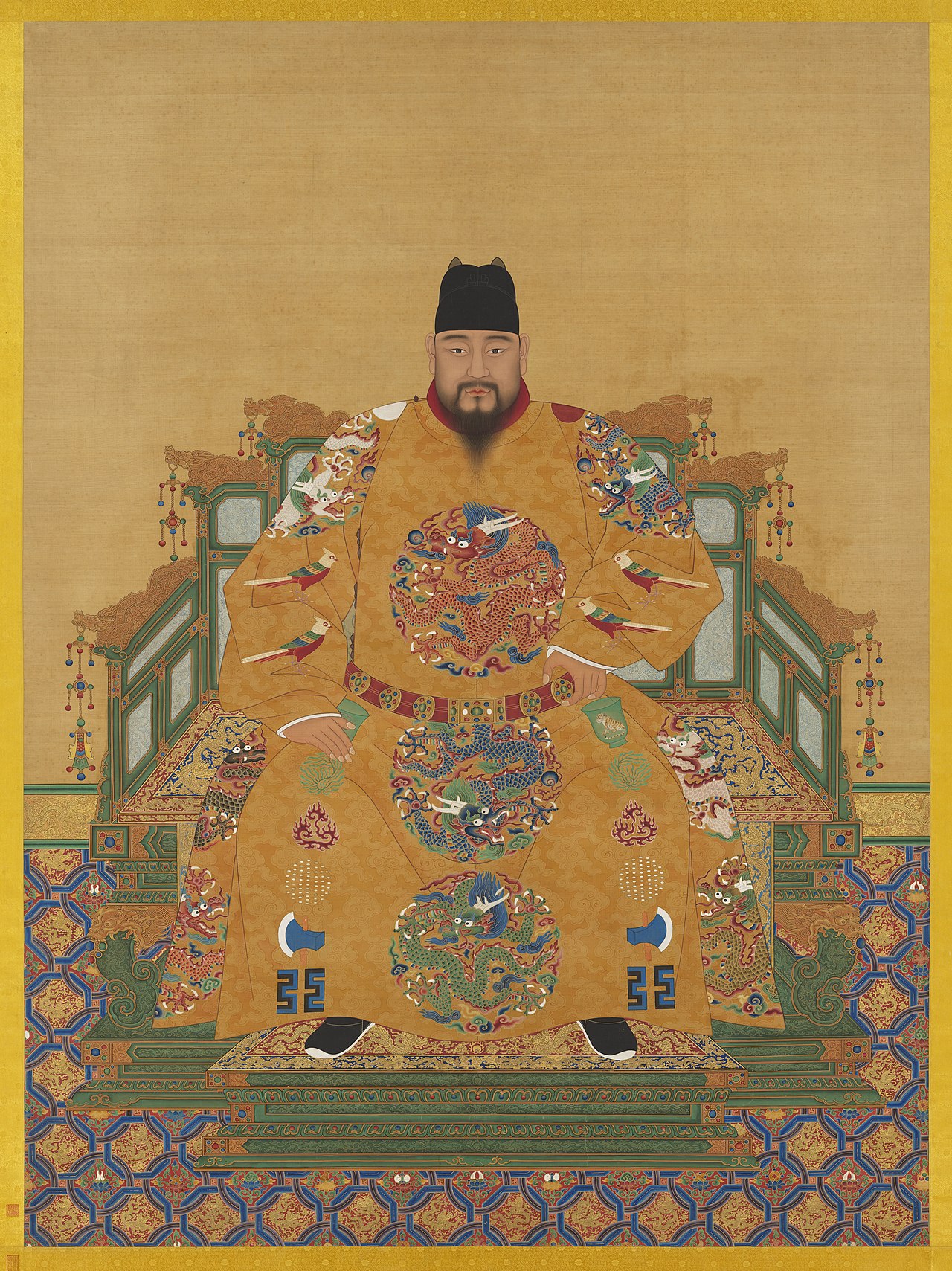 Ming Political Corruption and Social UnrestMid to Late Ming
In the mid and late Ming emperors neglected government, eunuchs seized power and factions fought; the Wanli Emperor skipped court for over twenty years and land annexation worsened.
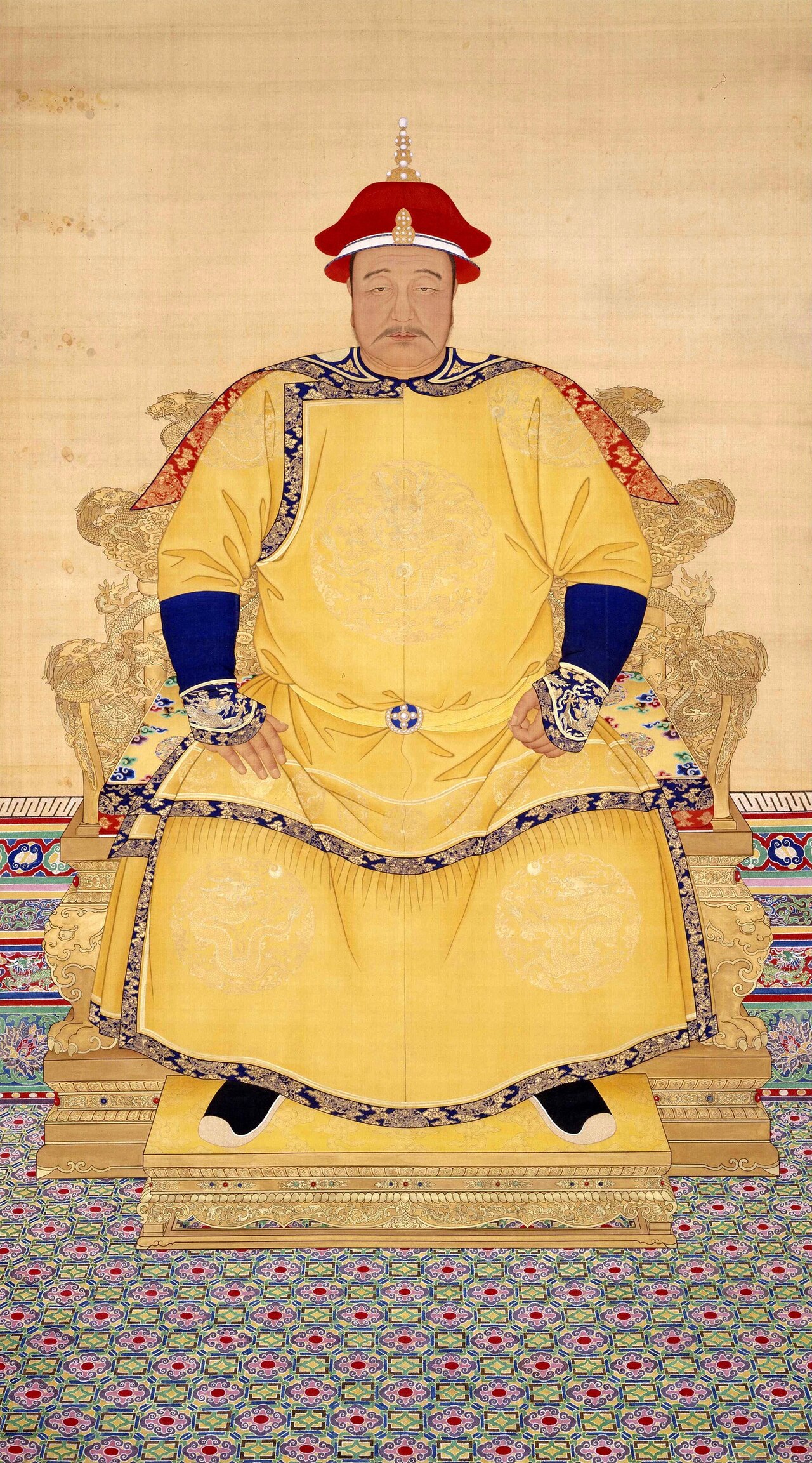 Hong Taiji Renames the State Qing1635–1636
After Nurhaci, Hong Taiji renamed his people Manchu in 1635 and in 1636 proclaimed himself emperor at Shenyang with the state name Qing, raiding south of the Wall.
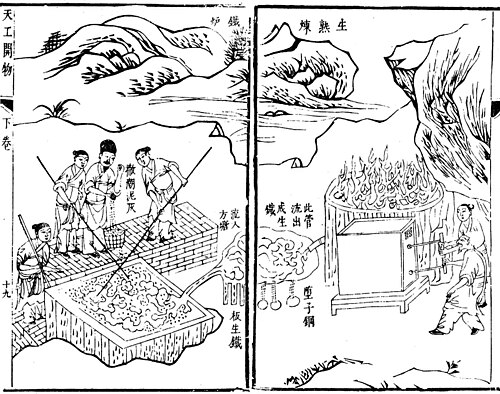 Song Yingxing Writes Tiangong KaiwuLate Ming
Song Yingxing's Tiangong Kaiwu surveys ancient farming and craft techniques with over 120 illustrations, called the "encyclopedia of crafts of 17th-century China".
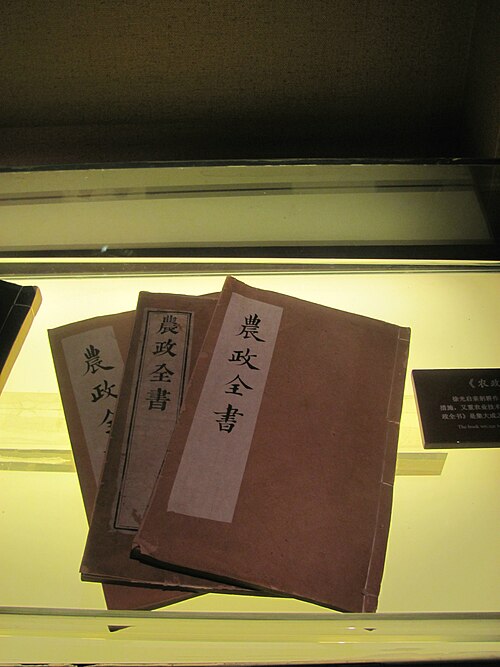 Xu Guangqi's Complete Treatise on AgricultureLate Ming
Xu Guangqi's Nongzheng Quanshu (60 volumes) systematically sums up ancient Chinese farming experience and introduces Western irrigation techniques.
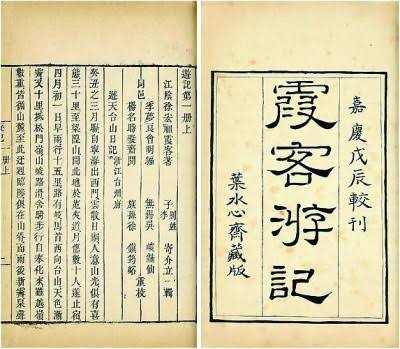 The Travel Diaries of Xu XiakeLate Ming
Over thirty years Xu Xiake traveled much of China; his diaries became The Travel Diaries of Xu Xiake, with limestone-landform studies among the world's most advanced of the time.