YuanAD 1271–1368
Yuan: Timeline of Events (AD 1271–1368)
A vast unified empire founded by the Mongols
View on the timelineEvents in this period
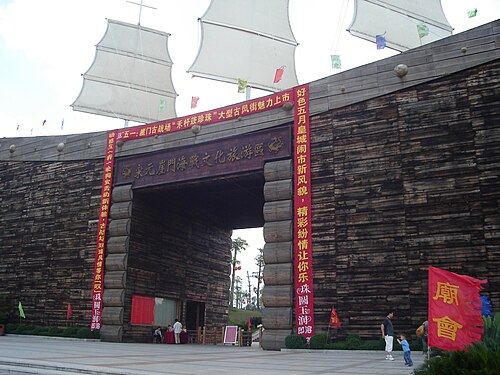 The Yuan Destroys the Southern Song and Unifies China1276–1279
Yuan forces entered Lin'an in 1276 and the Southern Song surrendered; in 1279 the Song fleet was destroyed at Yamen, where Lu Xiufu carried the child emperor into the sea, and the Yuan unified China.
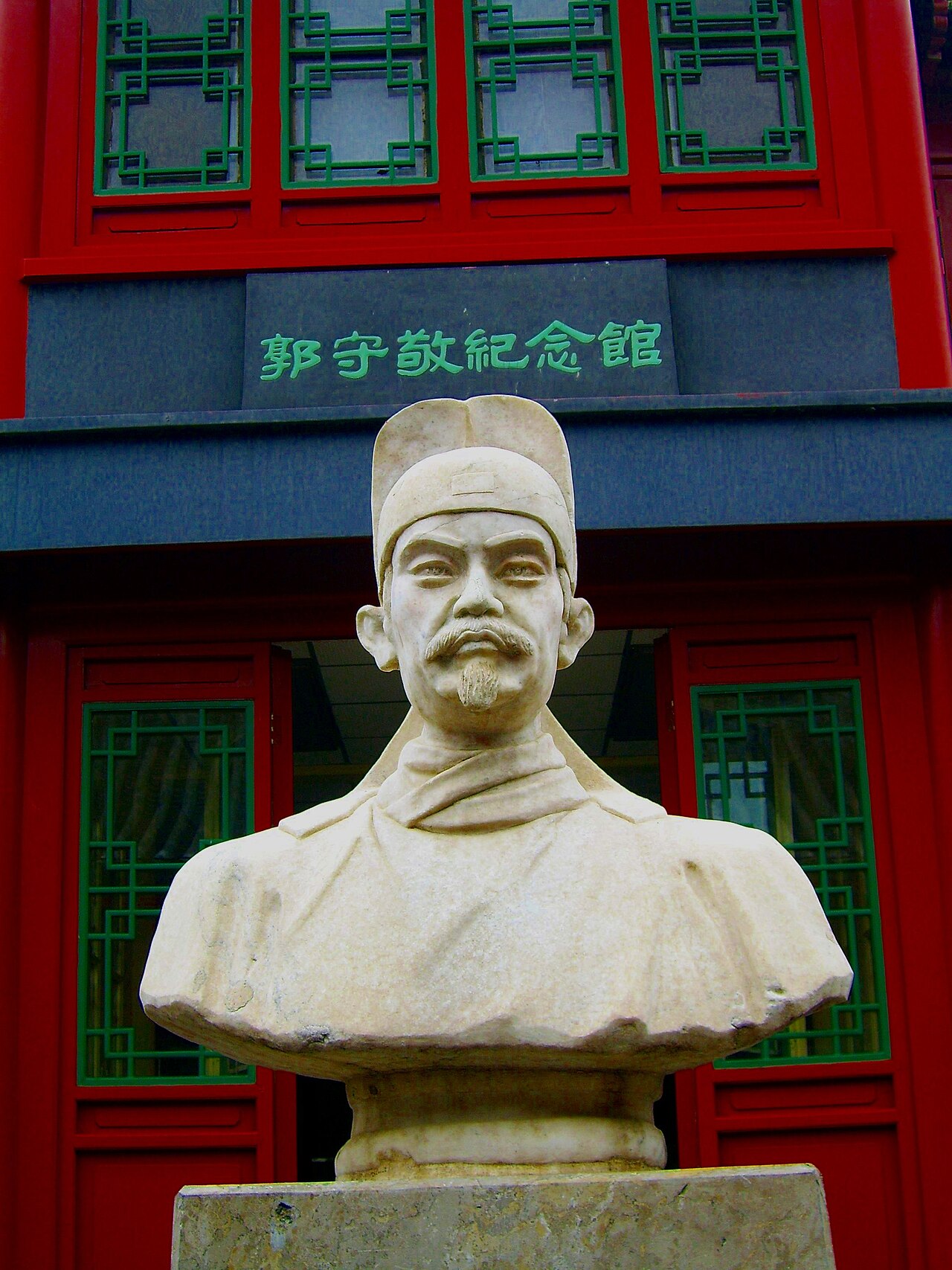 Guo Shoujing Completes the Shoushi CalendarEarly Yuan
The Yuan scientist Guo Shoujing and others compiled the Shoushi Calendar, which fixed the year at 365.2425 days, the same as today's Gregorian calendar but about 300 years earlier.
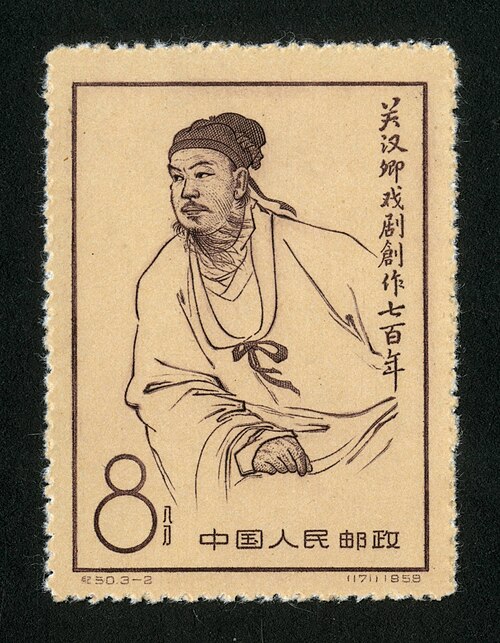 Yuan Drama and Guan Hanqing's The Injustice to Dou EYuan Dynasty
Yuan qu comprises sanqu verse and zaju drama; Guan Hanqing, the finest Yuan dramatist, wrote The Injustice to Dou E and is counted among the "Four Great Yuan Dramatists".
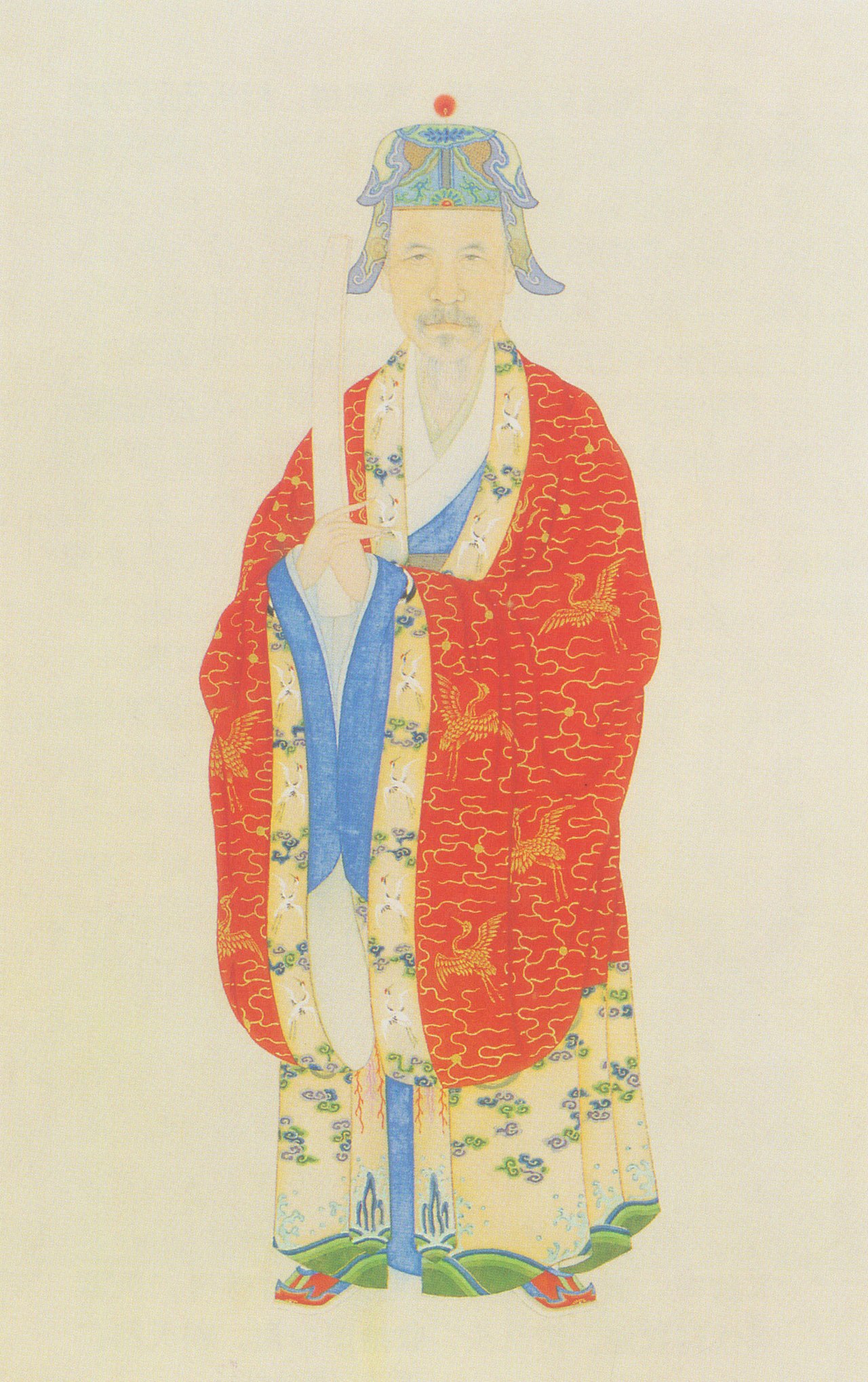 Wen Tianxiang Is Executed1283
The Southern Song chancellor Wen Tianxiang resisted the Yuan; captured, he refused to yield, wrote Crossing Lingding Ocean and Song of Righteousness, and was executed in Dadu in 1283.
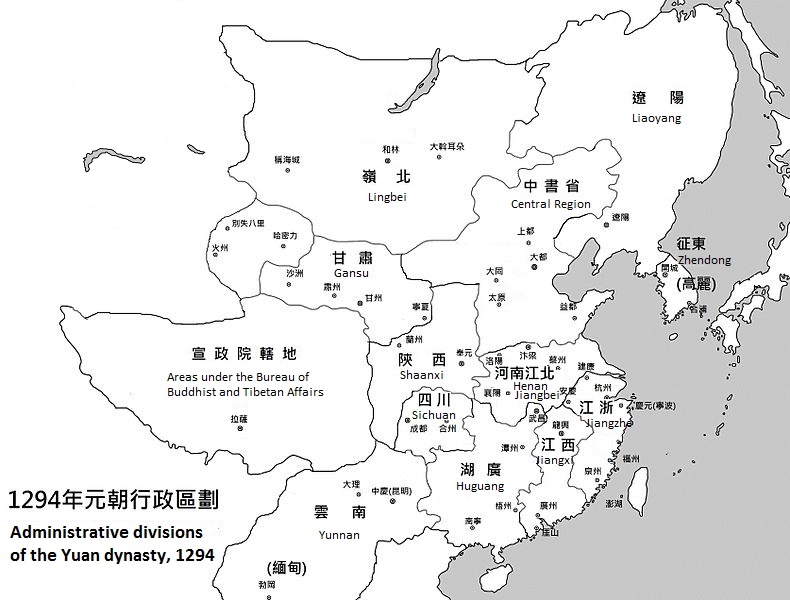 The Yuan Provincial SystemYuan Dynasty
The Yuan had the Secretariat, Bureau of Military Affairs and Censorate at the center and ten Branch Secretariats locally, the beginning of China's provincial system.
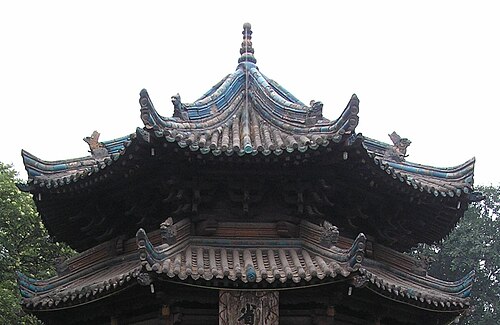 Yuan Territory and the Formation of the HuiYuan Dynasty
The Yuan's territory exceeded that of the Han and Tang, among the largest in Chinese history; peoples migrated and mingled widely, and under the Yuan a new ethnic group, the Hui, gradually took shape.
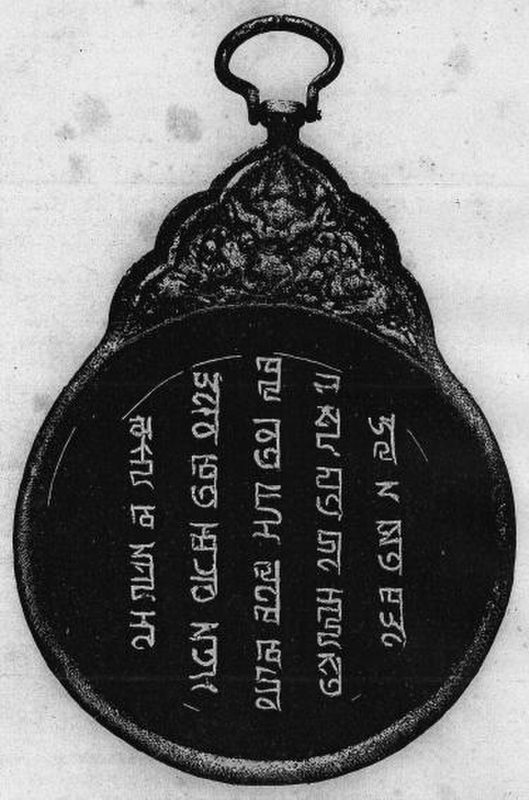 Bureau of Buddhist and Tibetan Affairs Governs TibetYuan Dynasty
The Yuan set up the Bureau of Buddhist and Tibetan Affairs (first the Bureau of General Regulation) to oversee Buddhism and Tibet's affairs, bringing Tibet under central administration.
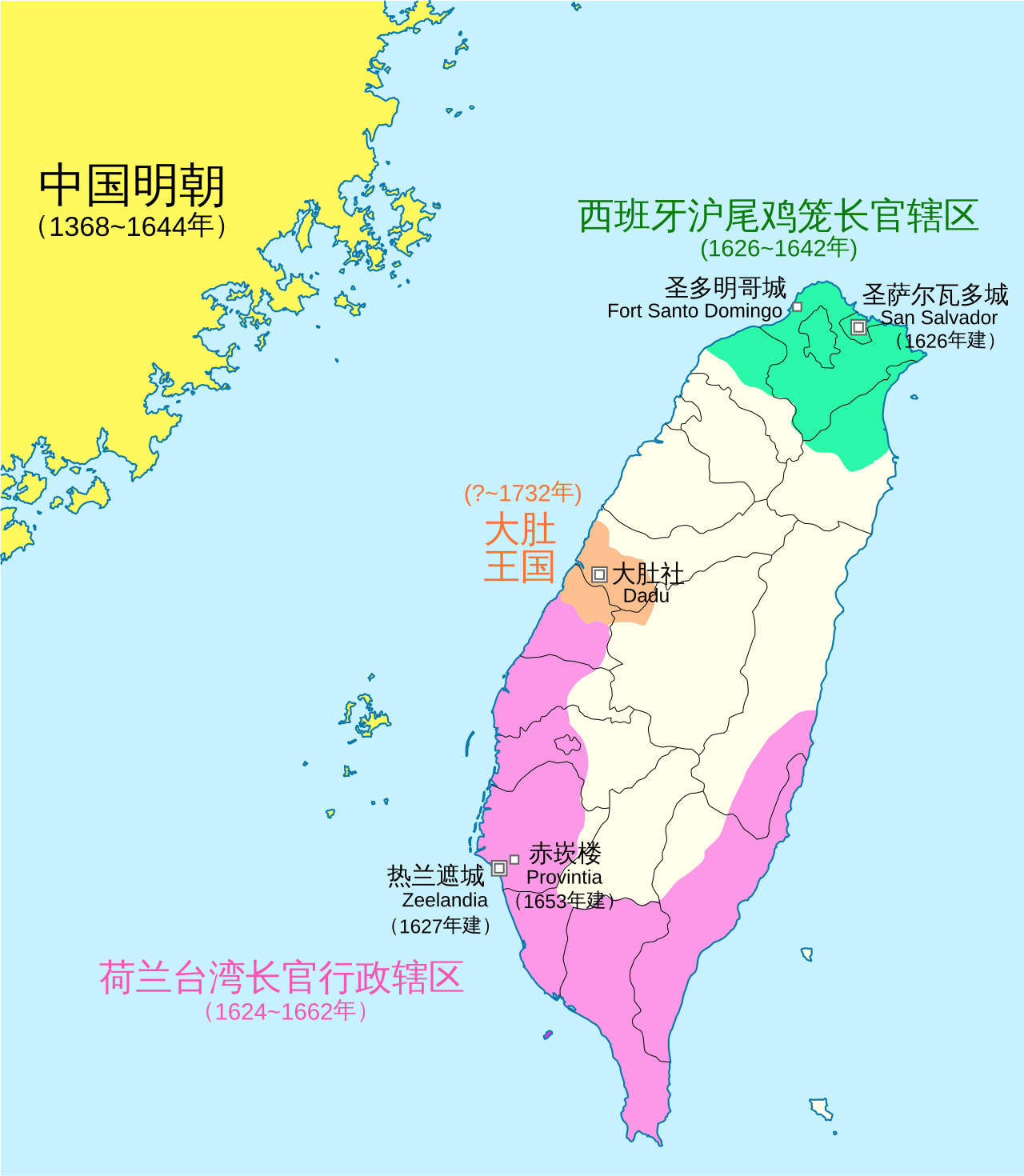 Penghu Inspectorate EstablishedYuan Dynasty
The Yuan set up an inspectorate on Penghu, under Jinjiang County, Fujian, covering Penghu and Liuqiu (Taiwan): the first formal central government body in the Taiwan area.
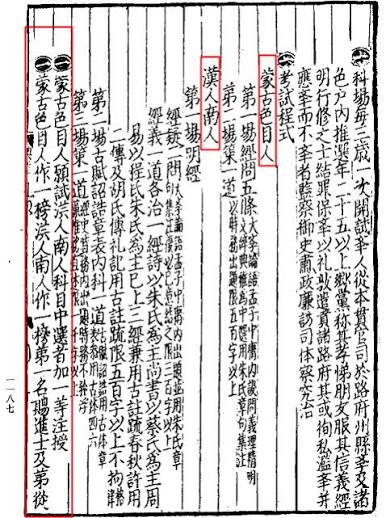 The Four-Class SystemYuan Dynasty
The Yuan rulers practiced ethnic discrimination, dividing the population into four classes (Mongols, Semu, Han and Southerners) with unequal treatment in politics, law and other matters.
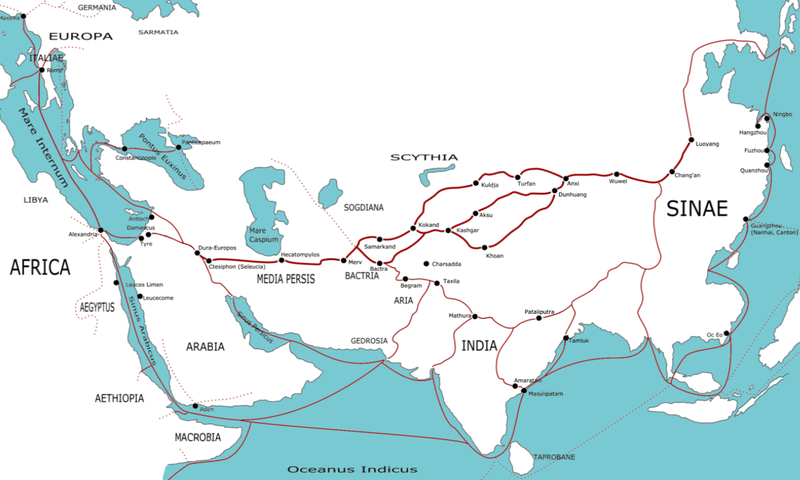 Yuan Post Stations and the Maritime Silk Road at Its HeightYuan Dynasty
The Yuan built a far-reaching post-station network, with land routes to Europe and sea routes to East Africa; Quanzhou was hailed as the "greatest port of the East".
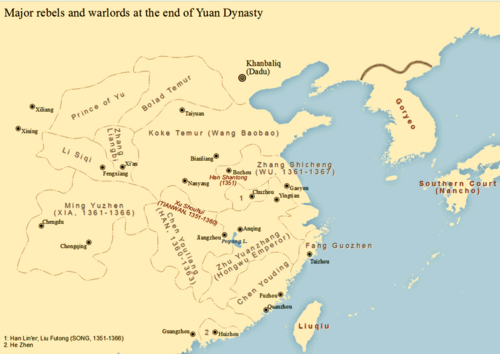 Peasant Uprisings at the End of the Yuan1351
Amid corruption and ethnic oppression, Liu Futong and others rose in 1351 as the Red Turbans; anti-Yuan forces spread, and Zhu Yuanzhang grew strong and united the south.