MingAD 1368–1644
Donglin Academy
1604
Donglin Academy became a center of late Ming debate.
View on the timeline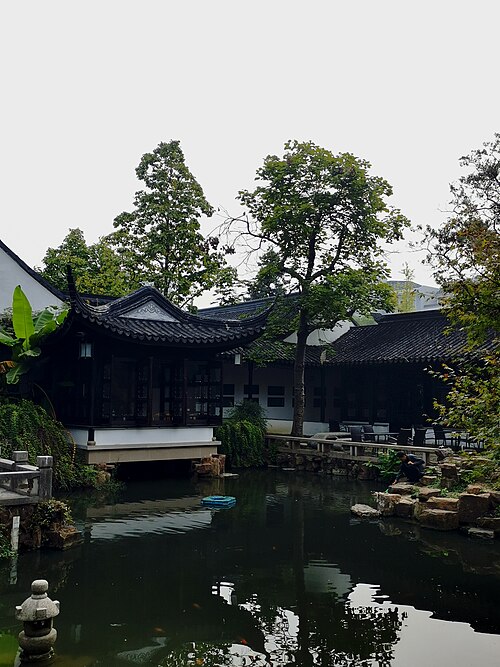
Image: 不秋齋主人 · CC BY-SA 4.0 · Original
Donglin Academy began as a place of teaching associated with the Northern Song scholar Yang Shi and was restored in the late Ming by Gu Xiancheng and colleagues. It became a center where scholars held lectures, formed networks, and discussed public affairs. Donglin thinkers emphasized moral cultivation, responsible government, and the duty of officials to speak about political abuses. Their educational activity therefore became entangled with court disputes over appointments, eunuch influence, and the conduct of the state. “Donglin party” was often a label used by opponents for overlapping groups of officials and scholars, not the name of a modern party with a fixed membership and unified platform. Some associated figures were excluded, imprisoned, or persecuted as factional conflict intensified. Later writers shaped Donglin’s reputation as a symbol of integrity or partisan conflict, depending on their perspective. Historians distinguish the academy itself from the wider networks and the retrospective narratives about “factionalism.” The episode shows how institutions of learning could become political spaces in the late Ming, while also warning against reducing the era’s complex alignments to a simple two-party struggle.
References
Text and images from Wikipedia are used under CC BY-SA and their respective licenses