Eastern HanAD 25–220
Shuowen Jiezi
100
Shuowen Jiezi systematized Chinese character analysis.
View on the timeline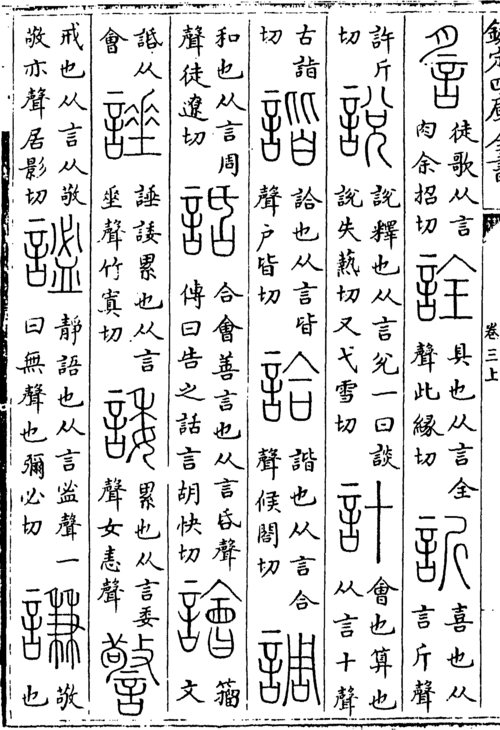
Image: Xu Shen (1st century), Xu Xuan (10th century) · Public domain · Original
The Shuowen Jiezi, compiled by the Eastern Han scholar Xu Shen around the beginning of the second century CE, is one of the earliest systematic Chinese character dictionaries to survive. It organizes entries under radicals, explains meanings, analyzes character forms, and records pronunciations, primarily using seal script as its reference. Xu Shen’s account of the “six categories” of writing became influential in later scholarship and reflects how Han intellectuals understood the history and structure of characters. The dictionary preserves valuable early interpretations and linguistic evidence, but some of its etymologies have been revised in light of oracle-bone inscriptions, bronze texts, and excavated manuscripts unavailable to Xu Shen. Its importance is therefore both historical and philological: it documents Han scholarship as well as the characters themselves. The received text passed through centuries of copying, editing, and commentary; Qing scholars such as Duan Yucai profoundly shaped its modern reading. Researchers distinguish Xu Shen’s text from later annotations and from conclusions supported by current paleography. The Shuowen remains indispensable, but not every explanation in it should be treated as a confirmed account of a character’s origin.
References
Text and images from Wikipedia are used under CC BY-SA and their respective licenses