Eastern HanAD 25–220
Cai Lun Improves Papermaking
AD 105
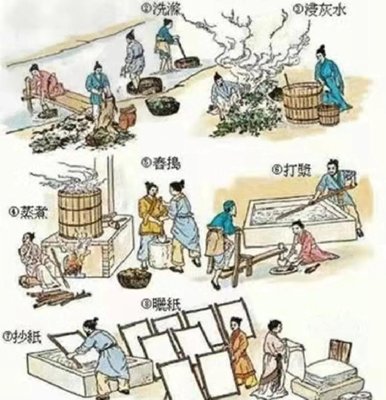
The Eastern Han eunuch Cai Lun improved papermaking, using bark, hemp waste, rags and old fishing nets, and presented his paper to Emperor He in AD 105; paper gradually replaced bamboo and silk.
View on the timeline
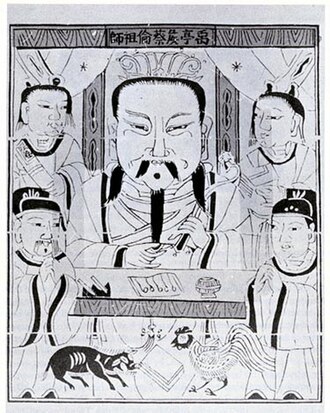
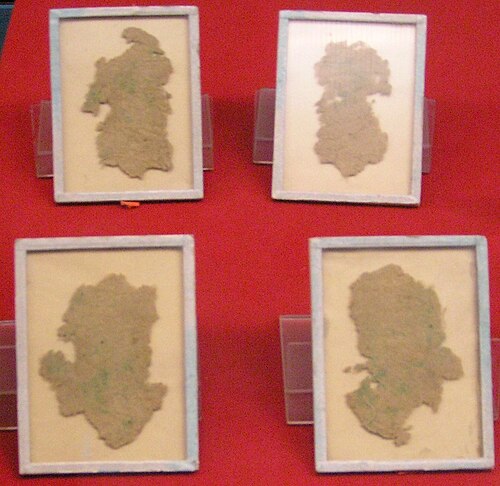
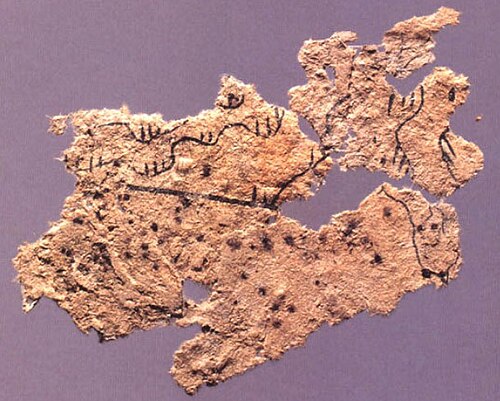
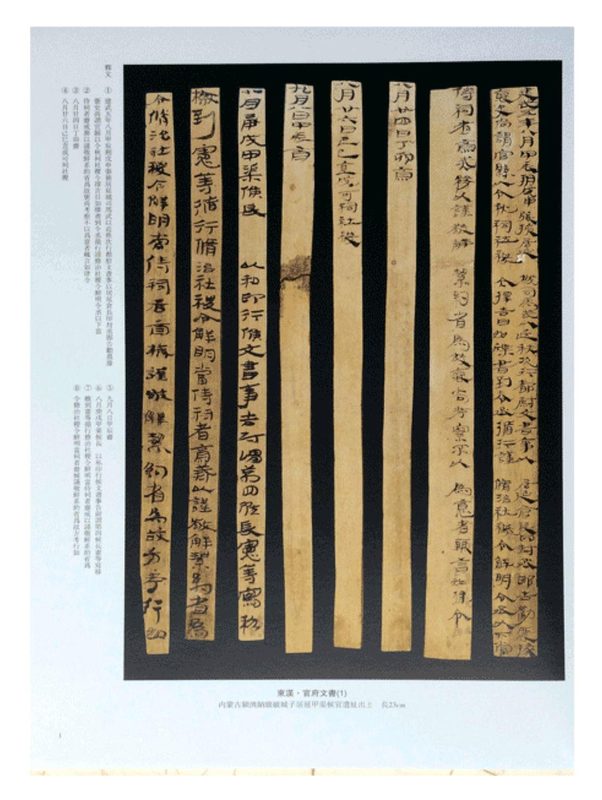
Before paper, people carved writing on bones and shells, cast it on bronzes, or wrote on bamboo and wooden slips and silk. In the Qin and Han, official documents, letters and books were mostly written on slips and silk; slips were bulky and silk expensive, which greatly limited their use. Later Chinese measure words for books, such as ce, bian and juan, come from the way slips were bound together. In the Western Han people already knew the basics of papermaking, and hemp paper of that period has been found at Fangmatan in Tianshui, Gansu, and at Xuanquanzhi near Dunhuang, but it was coarse and hard to write on. In the Eastern Han the eunuch Cai Lun (d. AD 121), serving as director of the imperial workshops, which made court articles, drew on earlier experience and improved the process, using plant fibers such as bark, hemp waste, rags and old fishing nets, which were chopped, soaked, pounded, formed into sheets and dried, greatly improving paper quality. In AD 105 Cai Lun presented the improved paper to Emperor He, who praised it, and it came into use everywhere as “Marquis Cai's paper.” Cai Lun was later made Marquis of Longting. The raw materials were easy to find, the paper cheap and easy to spread, and its use grew until by the Wei and Jin it had largely replaced bamboo and silk as the main writing material, greatly helping the spread of culture and preservation of texts. Chinese papermaking passed to Korea and Japan, reached the Arab world in the 8th century and then Europe through the Arabs; most papermaking worldwide traces back to China. Papermaking is one of the Four Great Inventions of ancient China and a great contribution to world civilization.
References
Text and images from Wikipedia are used under CC BY-SA and their respective licenses