Warring States475–221 BC
Wu Qi
386 BCE
Wu Qi led political and military reforms in Chu.
View on the timeline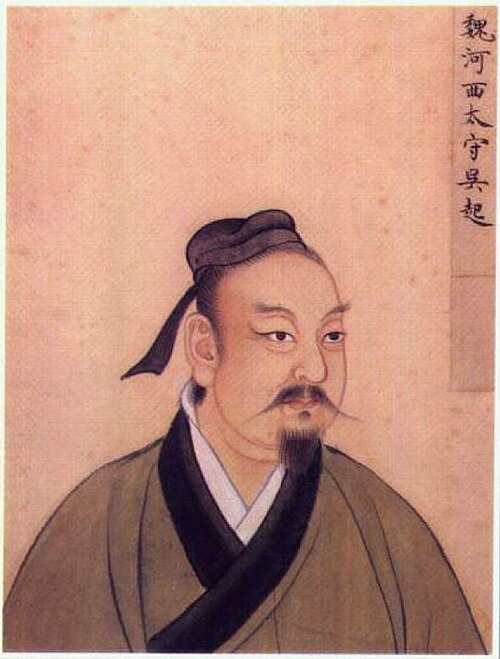
Public domain · Original
Wu Qi’s reforms took place in the state of Chu during the reign of King Dao in the early fourth century BCE. Wu Qi was an experienced commander and administrator who had previously served in Lu and Wei. Traditional accounts describe efforts to reduce the privileges and stipends of distant aristocratic branches, relocate some nobles to frontier areas, reorganize officials, and reward capable soldiers. The intended effect was to direct more resources toward administration and defense and to strengthen the ruler’s control over the state. These measures threatened entrenched interests, and opposition from Chu’s aristocracy was intense. After King Dao died, Wu Qi was attacked and killed during the ensuing court crisis; the reforms consequently lost their chief protector and were not sustained in the same way as some later state-building programs. The main narrative comes from retrospective historical sources, so the exact reach and duration of each measure are difficult to establish. Wu Qi’s career illustrates how Warring States rulers sought to reshape military and political institutions, but also how reform depended on court alliances and could be reversed when the balance of power changed.
References
Text and images from Wikipedia are used under CC BY-SA and their respective licenses