Warring States475–221 BC
Shang Yang's Reforms
356 BC
In 356 BC Duke Xiao of Qin had Shang Yang reform the state: abolishing the well-field system, rewarding military merit and favoring agriculture, making Qin the strongest state.
View on the timeline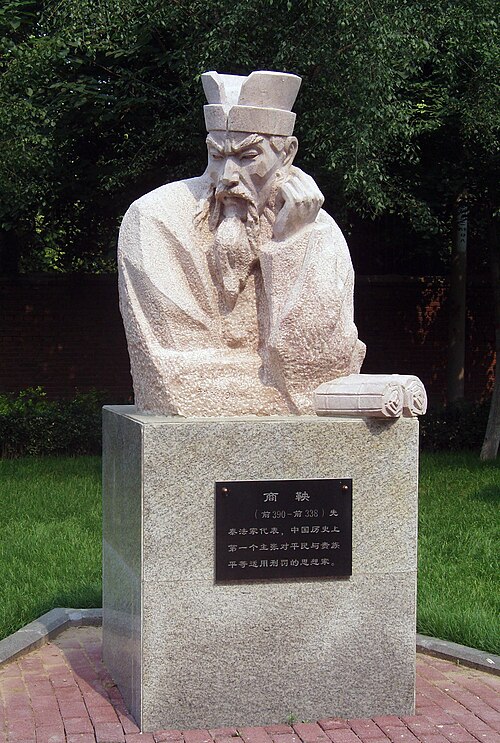
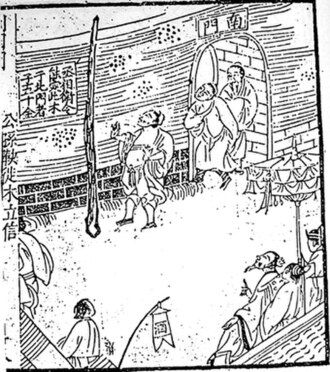
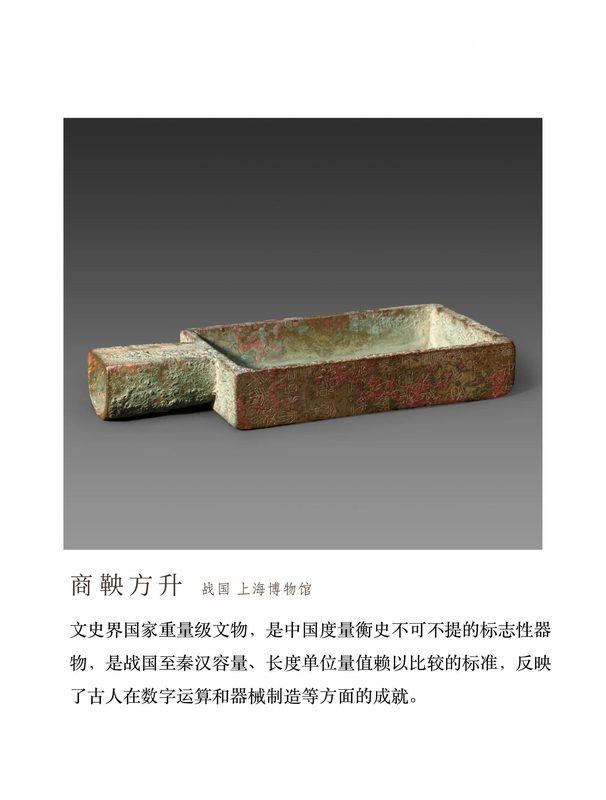
In the Warring States, iron farm tools and ox plowing spread further and the new landlord class grew stronger, and states carried out reforms in order to be rich and militarily strong, of which Shang Yang's reforms in Qin were the most effective. Shang Yang, originally Wei Yang from the state of Wei, was later enfeoffed at Shang for his service, hence the name Shang Yang. After Duke Xiao of Qin took the throne and issued an order seeking talent, Shang Yang came to Qin with Li Kui's Canon of Laws and was put to use. To win the people's trust he set a three-zhang pole at the south gate of the capital and announced ten gold pieces for anyone who moved it to the north gate, later raised to fifty; when someone did, the reward was paid at once, the story of “moving the pole to establish trust.” In 356 BC and 350 BC Shang Yang led two rounds of reform. Politically: the nobles' hereditary privileges were abolished and a county system was set up, with officials sent directly by the ruler; the household registration system was reformed with “mutual responsibility in groups of five and ten”; laws were enforced strictly and private fighting banned. Economically: the well-field system was abolished and the “boundaries opened,” recognizing private land ownership and allowing land sales; agriculture was favored over commerce, and those producing much grain and cloth were exempt from labor service; weights and measures were unified. Militarily: military merit was rewarded, with ranks, land and houses granted according to merit, and privileges of nobles without merit abolished. The capital was also moved to Xianyang.
References
Text and images from Wikipedia are used under CC BY-SA and their respective licenses