Warring States475–221 BC
Hundred Schools of Thought
Warring States period
In the Warring States, Confucian, Mohist, Daoist, Legalist and other schools wrote and debated freely, forming the “Hundred Schools of Thought” that shaped Chinese culture.
View on the timeline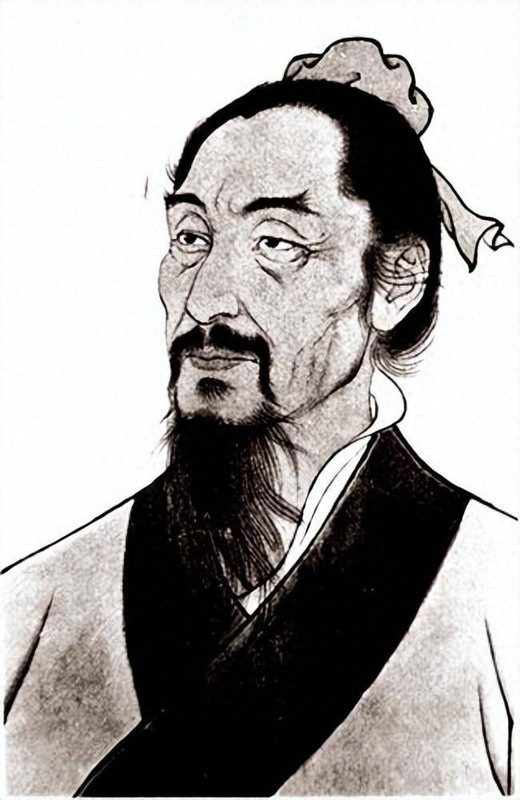
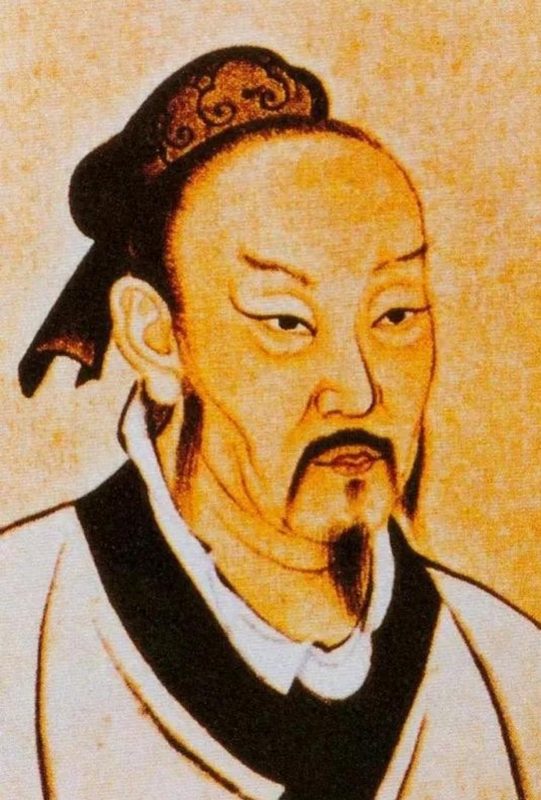
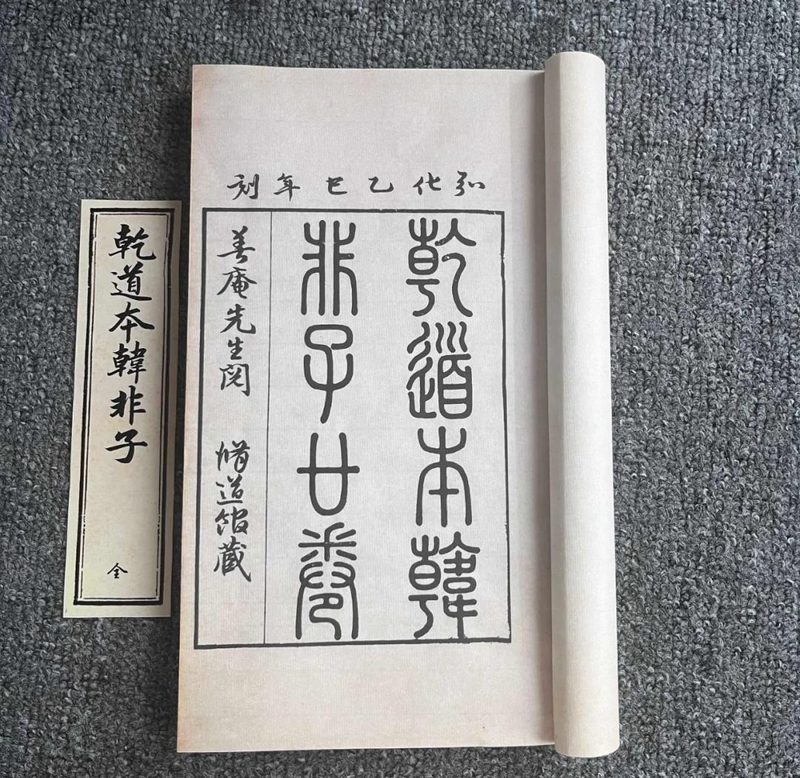
The Spring and Autumn and Warring States periods saw rapid social change; the states competed to attract talent in order to become rich and strong, private schools rose and the class of “shi” (scholars) was active, producing an unprecedented flowering of thought. Different schools formed, each writing and debating with the others, known as the “Hundred Schools of Thought” and the “contention of a hundred schools.” “Zi” originally meant a senior official and later became an honorific for scholars and teachers. The most influential schools were Confucianism, Mohism, Daoism and Legalism. Mozi, founder of Mohism, advocated “impartial love” and “opposing offensive war,” called on people to love and benefit one another, opposed wars of conquest, favored choosing the worthy to govern and urged frugality. The Confucian representatives in the Warring States were Mencius and Xunzi: Mencius advocated “benevolent government” and said “the people are most important, the state next, the ruler least”; Xunzi advocated using both ritual and law, saying “the ruler is the boat and the common people the water; water can carry the boat or overturn it,” and “control the Mandate of Heaven and use it.” The Daoist Zhuangzi carried on Laozi's thought and pursued spiritual freedom. The Legalist Han Feizi brought Legalism to its fullest development, advocating rule by law and a centralized autocratic state, which suited the historical trend toward unification and was adopted by Qin. There were also Sun Bin of the military school, Zou Yan of the yin-yang school, Gongsun Long of the School of Names, Su Qin and Zhang Yi of the diplomatic school and Xu Xing of the agriculturalists.
References
Text and images from Wikipedia are used under CC BY-SA and their respective licenses