Warring States475–221 BC
Qu Yuan and the Chuci
Late Warring States
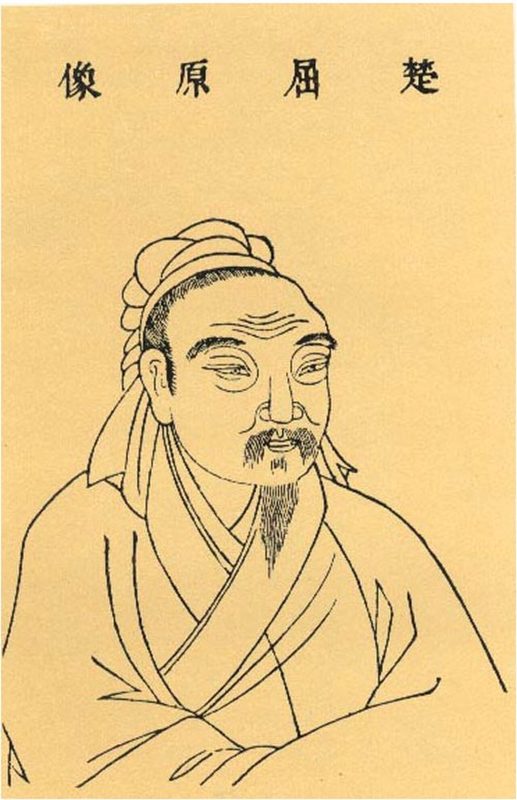
Qu Yuan, a poet of Chu in the late Warring States, drew on folk songs and Chu dialect to create the new verse form of the Chuci; his Li Sao began the romantic tradition in poetry.
View on the timeline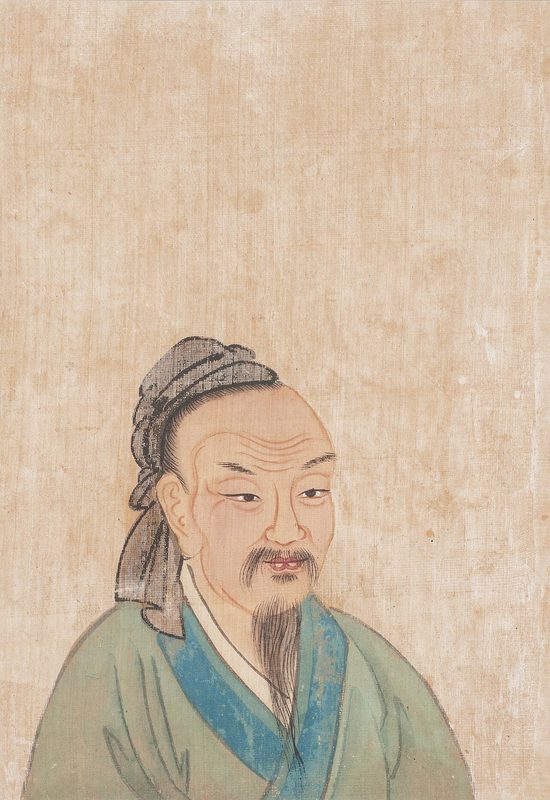
Qu Yuan (c. 340–c. 278 BC), personal name Ping and courtesy name Yuan, was from a noble family of Chu in the late Warring States and is regarded as the first great patriotic poet in Chinese history. Early on he was trusted by King Huai of Chu and held posts such as Zuotu and Sanlü Dafu, advocating clear laws and the promotion of the able at home and an alliance with Qi against Qin abroad. But his proposals met opposition and slander from old nobles, and King Huai listened to slander and kept him at a distance. King Huai was later tricked into going to Qin, was held there and died in Qin; after King Qingxiang took the throne Qu Yuan was again pushed aside and exiled to the Yuan and Xiang river region in the south. In 278 BC the Qin general Bai Qi took the Chu capital Ying, and Qu Yuan, in grief and despair, is said to have drowned himself in the Miluo River on the fifth day of the fifth lunar month. The custom of eating zongzi and racing dragon boats at the Dragon Boat Festival is said to commemorate Qu Yuan. Qu Yuan drew on the best of Chu folk songs and used Chu dialect and strongly local forms to create a new verse form with flexible lines and frequent use of the word “xi,” later called the “Chuci” or “Sao style.” His masterpiece Li Sao is among the longest lyric poems of ancient China, over 2,400 characters, weaving natural phenomena, historical figures and myth together and using fragrant plants and beautiful women as metaphors for lofty character, expressing his love for his country and people; the line “The road is long and far; I will search high and low” has become a timeless saying. He also wrote Nine Songs, Heavenly Questions, Nine Declarations and other works. Liu Xiang of the Western Han compiled works by Qu Yuan, Song Yu and others into the Chuci.
References
Text and images from Wikipedia are used under CC BY-SA and their respective licenses