Warring States475–221 BC
Battle of Changping
260 BC
In the Qin–Zhao Battle of Changping (262–260 BC), Zhao replaced Lian Po with the armchair strategist Zhao Kuo; over 400,000 Zhao troops were destroyed, and Qin's unification became assured.
View on the timeline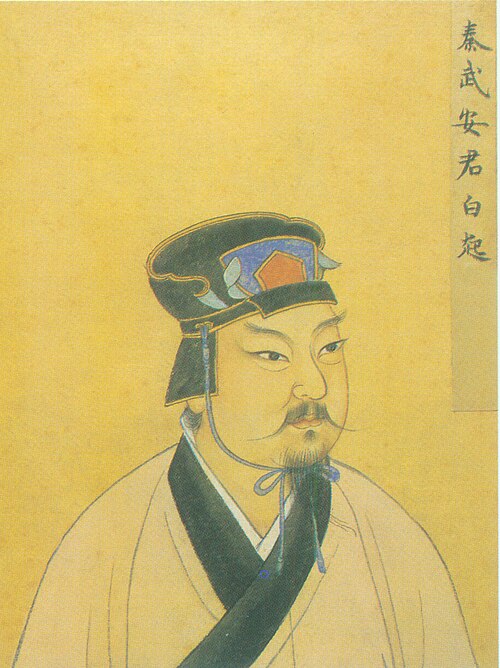
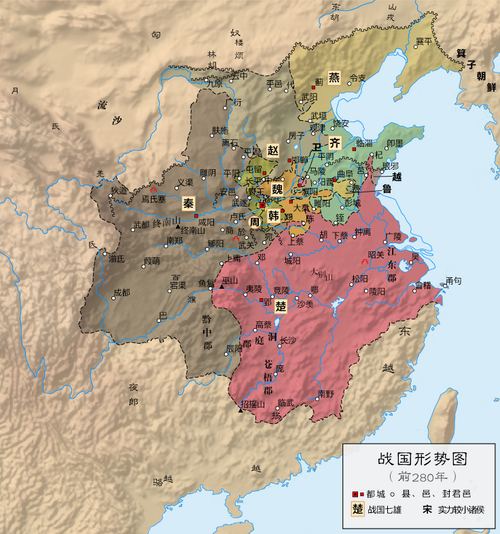
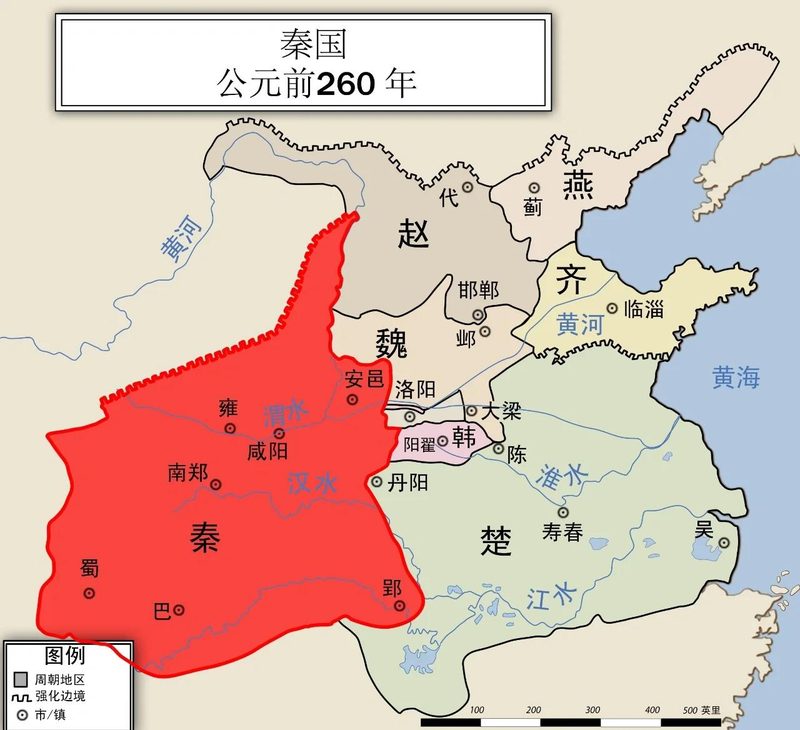
The Battle of Changping was a decisive battle between Qin and Zhao in the late Warring States, fought at Changping (northwest of present-day Gaoping, Shanxi) from 262 to 260 BC and one of the largest and bloodiest battles of ancient China. In 262 BC Qin attacked Han's Shangdang commandery; its governor Feng Ting, unwilling to surrender to Qin, offered Shangdang to Zhao instead, and war broke out between Qin and Zhao. Zhao at first sent the veteran general Lian Po, who, judging that Qin's army had come a long way and wanted a quick fight, built fortifications and held his ground to wear them down, and the two sides were locked in a long standoff. Qin therefore used a ruse, spreading the rumor that “Qin fears only Zhao Kuo as a general.” King Xiaocheng of Zhao fell for it, removed Lian Po and appointed Zhao Kuo, son of the famous general Zhao She. Zhao Kuo had read military books since childhood and talked of strategy fluently but lacked real combat experience. Meanwhile Qin secretly replaced its commander with the famous general Bai Qi. On arriving, Zhao Kuo changed Lian Po's dispositions and attacked; Bai Qi feigned retreat to lure the enemy in, then sent surprise troops to cut off the Zhao army's retreat and supply line and encircled its main force. The Zhao army went without food for over forty days; Zhao Kuo led a breakout himself and was killed by Qin arrows. More than 400,000 Zhao troops surrendered and nearly all were buried alive by Bai Qi, only 240 young boys being sent home. The battle crippled Zhao, the strongest of the six eastern states, after which no single state could resist Qin, and the trend toward Qin's unification of the realm took shape. The idiom “armchair strategy” comes from the story of Zhao Kuo.
References
Text and images from Wikipedia are used under CC BY-SA and their respective licenses