Neolithicc. 10,000 years ago–2070 BC
Shijiahe site
2300 BCE
Shijiahe was a Neolithic center in the Yangtze region.
View on the timeline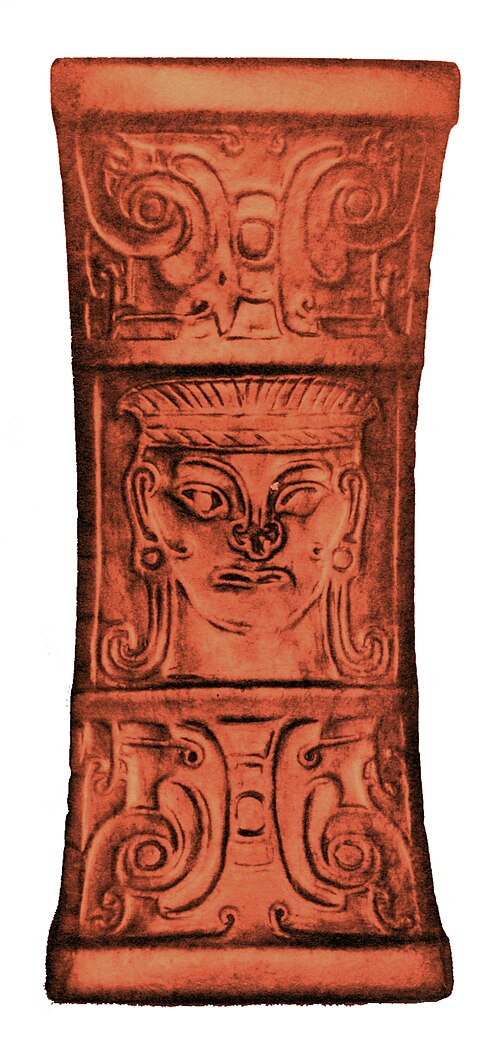
Image: Smithsonian Museum Provided under CC0 · CC BY-SA 4.0 · Original
The Shijiahe culture was a late Neolithic archaeological culture centered on the middle Yangtze region, especially the area around present-day Tianmen in Hubei. It is generally dated to the late third millennium BCE and developed from the preceding Qujialing tradition. The Shijiahe site complex includes a large walled settlement, platforms, cemeteries, and surrounding habitation areas, evidence for substantial population concentration and regional organization. Pottery, stone tools, burials, and finely worked jade objects—including small human and animal forms—show both specialized craft production and distinctive local artistic conventions. The scale of the settlement suggests that communities coordinated labor and maintained social differences, though archaeology alone cannot specify a named dynasty or the exact form of government. Material finds also point to contacts with neighboring regions, but individual claims of exchange require comparison of dates and artifact types. Shijiahe is therefore significant for understanding how complex societies took shape in the middle Yangtze before the historical dynasties. Its chronology and the meaning of its decline remain subjects of archaeological study rather than settled written history.
References
Text and images from Wikipedia are used under CC BY-SA and their respective licenses