Republic of ChinaAD 1912–1949
National Resistance: Zhang Zizhong and Zuo Quan Fall
1940–1942
In the War of Resistance, all ethnic groups, parties and classes fought together, and commanders such as Zhang Zizhong of the 33rd Army Group and Zuo Quan of the Eighth Route Army died heroically.
View on the timeline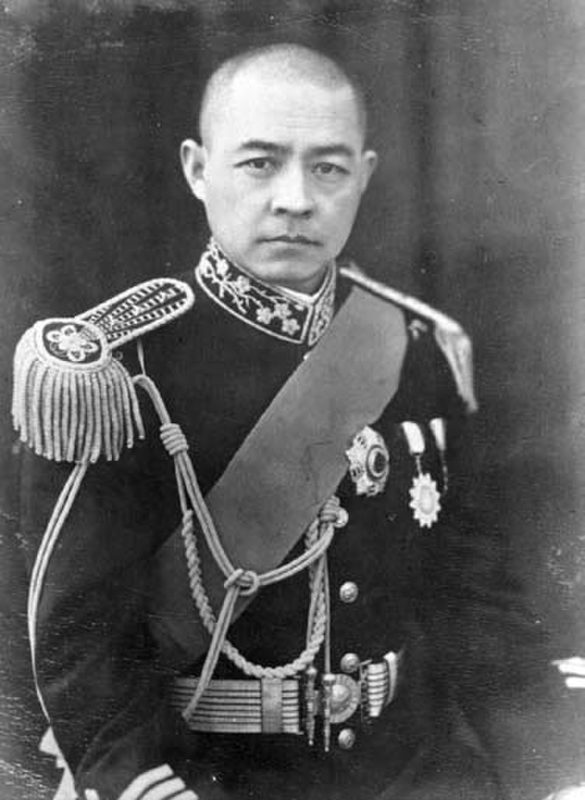
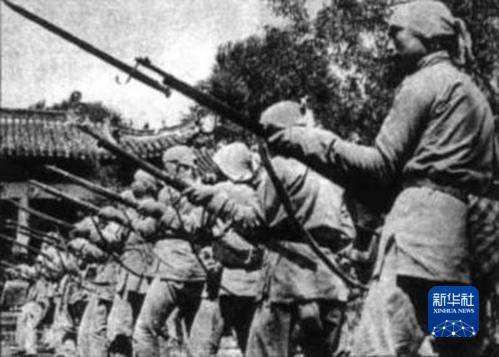
Under the banner of the anti-Japanese national united front, people of all ethnic groups, parties, political factions and strata, along with overseas Chinese, set aside differences, united against the aggressor and fought together. In May 1940, in the Battle of Zaoyang-Yichang, Zhang Zizhong, commander of the 33rd Army Group, personally led his troops across the Xiang River (Han River), but was surrounded by Japanese forces at Nanguadian in Yicheng, Hubei. Hit by several bullets, he kept commanding until he died a martyr's death at 49. Zhang was one of the highest-ranking Allied generals killed in World War II, and Mao Zedong wrote the elegiac inscription "Loyal to the end, serving the country." In May 1942 the Japanese army launched a major "mopping-up" of the Taihang Mountains, where the Eighth Route Army headquarters was based. Zuo Quan, deputy chief of staff of the Eighth Route Army, was struck by a shell at Shiziling in Liaoxian, Shanxi, while commanding troops covering the headquarters' breakout, and was killed at only 37; he was the highest-ranking Eighth Route Army officer to die in the war. In his memory Liao County was renamed Zuoquan County. Elsewhere, Yang Jingyu of the Northeast Anti-Japanese United Army kept Japanese forces at bay in the ice and snow until he died fighting when out of ammunition and food; when the Japanese cut open his stomach they found only dried grass, bark and cotton wadding. Zhao Yiman endured brutal torture after her capture and never yielded. The Five Heroes of Langya Mountain of the Eighth Route Army led the enemy onto a dead end to cover the retreat of civilians and the main force, then leapt off a cliff. Ethnic minorities also took an active part in the war; the Hui Detachment led by Ma Benzhai was hailed as the "ever-victorious Hui Detachment." The unity of the whole nation in resistance was the fundamental reason for victory.
References
Text and images from Wikipedia are used under CC BY-SA and their respective licenses