QingAD 1644–1912
Spread of Revolutionary Ideas (The Revolutionary Army, Turn Your Head Around)
Early 20th century
In the early 1900s Zou Rong’s The Revolutionary Army, Chen Tianhua’s Turn Your Head Around and Zhang Binglin’s polemics against Kang Youwei spread calls to overthrow the Qing.
View on the timeline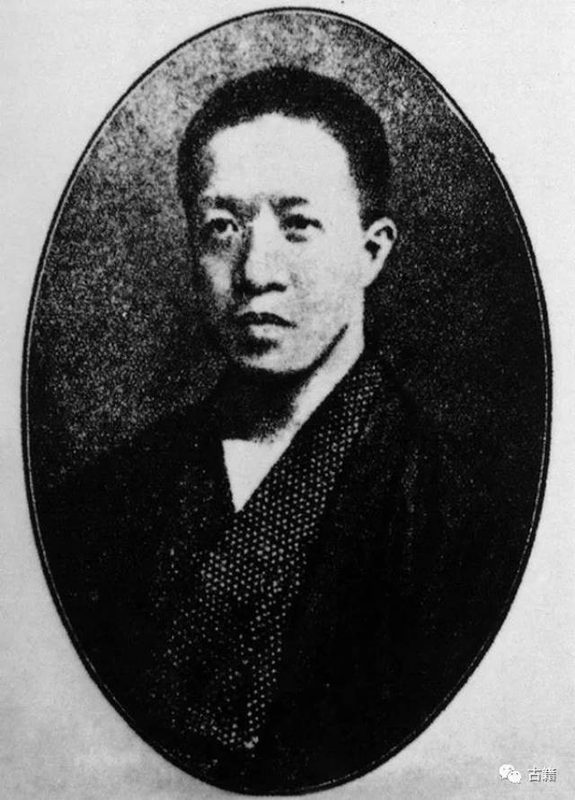
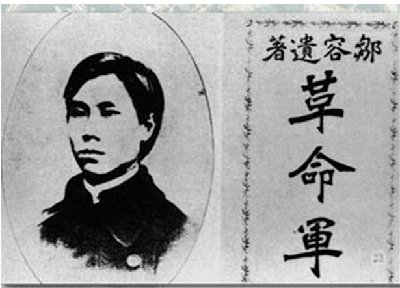
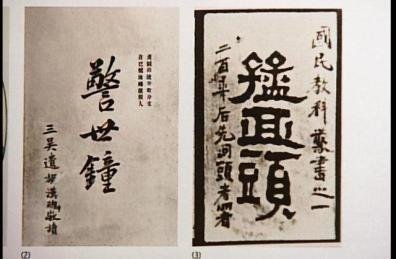
After the Boxer Protocol the Qing had become a “foreigners’ court,” the national crisis was unprecedentedly grave, and revolutionary feeling rose at home. Meanwhile growing numbers of Chinese students in Japan founded periodicals and wrote books promoting democratic revolution. In 1903 Zhang Binglin published his Refutation of Kang Youwei on Revolution, rebutting Kang’s royalist views, mocking the Guangxu Emperor as an ignorant “little clown,” and arguing the need for revolution. That year the 18-year-old Zou Rong wrote The Revolutionary Army with a preface by Zhang. It passionately praised revolution, called for overthrowing Qing autocracy and founding a “Republic of China,” and sold over a million copies. Chen Tianhua wrote Turn Your Head Around and Warning Bell in plain language and storytelling form, exposing the danger of partition, pointing out that the Qing had become a “foreigners’ court” and calling on people to rise in revolution; they spread widely. That year the Shanghai newspaper Subao, which had published an article introducing The Revolutionary Army and Zhang’s writings, was shut down when the Qing colluded with the Shanghai concession authorities; Zhang and Zou were jailed in the “Subao case,” and Zou died in prison in 1905. In 1905 Chen Tianhua drowned himself in Tokyo to protest the Japanese ban on Chinese students and awaken his countrymen. Revolutionary groups were founded around the country, such as the China Revival Society founded by Huang Xing and others in Changsha and the Restoration Society founded by Cai Yuanpei and Zhang Binglin in Shanghai. The wide spread of bourgeois revolutionary ideas prepared the ground for the 1911 Revolution, and revolution became the tide of the times.
References
Text and images from Wikipedia are used under CC BY-SA and their respective licenses