QingAD 1644–1912
The Boxer Movement
Late 19th century–1900
The Boxers rose in Shandong and Zhili with the slogan “support the Qing, destroy the foreigners,” entered Beijing and Tianjin in 1900 to fight the powers, and were crushed by combined forces.
View on the timeline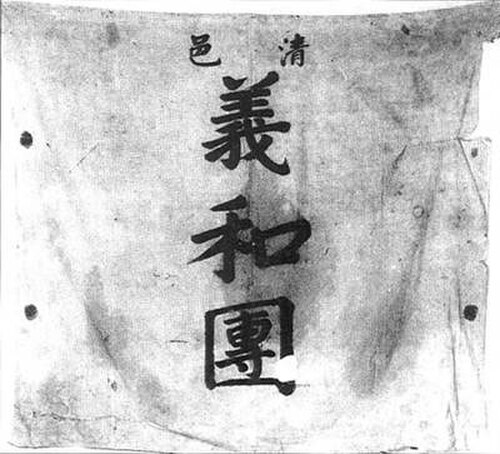
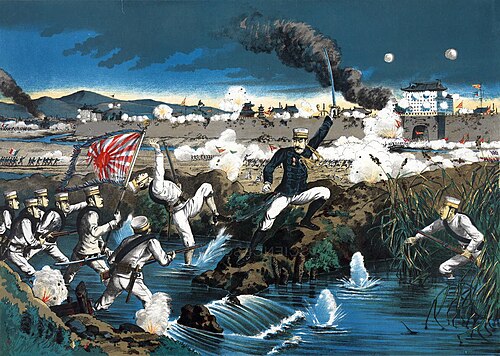
The Boxers grew out of folk secret societies and martial arts groups such as the Yihe Quan (Righteous and Harmonious Fists) in Shandong and Zhili. In the late 19th century, as the powers carved up China and foreign missionaries grew bolder, some missionaries seized land and meddled in lawsuits while some converts bullied others using their backing, and conflicts between people and church sharpened. These groups gradually became mass organizations against foreign aggression, known collectively as the “Yihetuan” (Boxers). They organized people by setting up altars and practicing boxing, claimed to be “immune to swords and bullets,” and raised the slogan “support the Qing, destroy the foreigners.” At the end of 1899 Yuan Shikai became governor of Shandong and brutally suppressed them, and their center shifted to Zhili. In spring and summer 1900 they grew rapidly and large numbers entered Tianjin and Beijing and besieged the foreign legation quarter. The Qing court was divided, and Empress Dowager Cixi finally decided to use the Boxers against the powers, “declaring war” on them on 21 June. After the Eight-Power Allied Forces invaded, the Boxers and patriotic Qing troops fought them bravely at Tianjin, Beijing and elsewhere, and at Langfang they stopped the Seymour column and forced it back to Tianjin. But after the allies took Beijing the Qing ordered the Boxers “ruthlessly suppressed,” and the movement was crushed by combined Chinese and foreign reactionary forces. It was an anti-imperialist patriotic movement that dealt a heavy blow to imperialist aggression, foiled the powers’ plans to partition China and showed the great strength of the Chinese people. But owing to the limits of the peasant class it had a tinge of indiscriminate xenophobia and superstition, and its slogan made it easy for the Qing court to exploit.
References
Text and images from Wikipedia are used under CC BY-SA and their respective licenses