MingAD 1368–1644
Xu Guangqi's Complete Treatise on Agriculture
Late Ming
Xu Guangqi's Nongzheng Quanshu (60 volumes) systematically sums up ancient Chinese farming experience and introduces Western irrigation techniques.
View on the timeline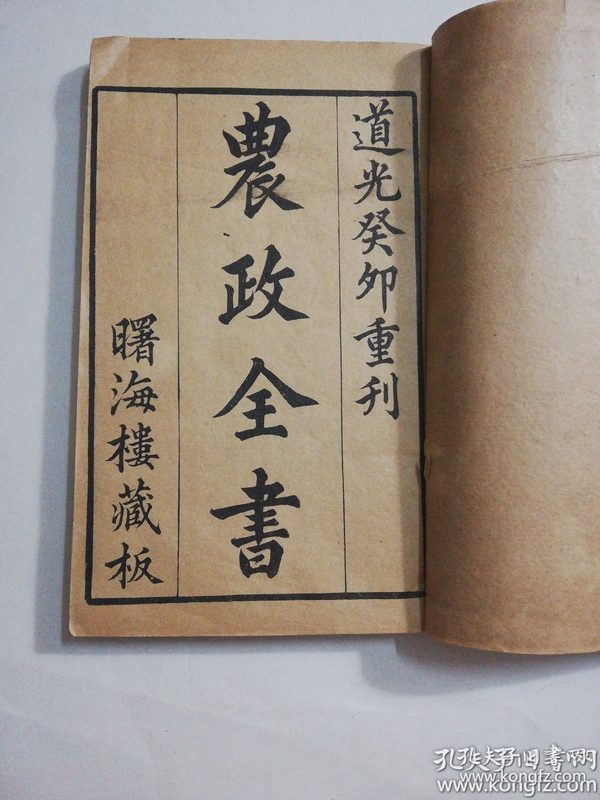
Xu Guangqi (1562–1633) was an outstanding scientist of the late Ming. Born to a small merchant and farming family in Shanghai, he knew agriculture from childhood and valued practical learning useful to the state and the people. He opened wasteland and trial-grew rice on military farming land at Tianjin; in Shanghai he successfully trial-grew sweet potatoes introduced from Fujian and wrote Ganshu Shu (Treatise on the Sweet Potato) to promote them as a famine crop. He also learned Western hydraulic techniques from the missionary Sabatino de Ursis, and together they translated Taixi Shuifa (Western Methods of Water Management). On the basis of long practice and research, Xu collected agricultural books and documents of past ages and compiled Nongzheng Quanshu. In 60 volumes and about 700,000 characters, it has twelve sections: agricultural fundamentals, land systems, farm work, irrigation, tools, cultivation, sericulture, extended sericulture, planting, animal husbandry, processing and famine relief, covering almost every aspect of ancient farming and life. It not only summarizes the advanced experience and techniques of ancient Chinese agriculture but also presents many of the author's own ideas, such as the cotton-growing experience of "carefully selecting seeds, planting early, deep roots, short stalks, thin planting and heavy manuring", and introduces Western water technology. Irrigation and famine relief are especially stressed; the famine-relief section takes up 18 volumes and records over four hundred plants that could be eaten in lean years. Xu did not finish the final draft in his lifetime; after his death Chen Zilong and others edited and revised it and it was published in 1639.
References
Text and images from Wikipedia are used under CC BY-SA and their respective licenses