MingAD 1368–1644
Song Yingxing Writes Tiangong Kaiwu
Late Ming
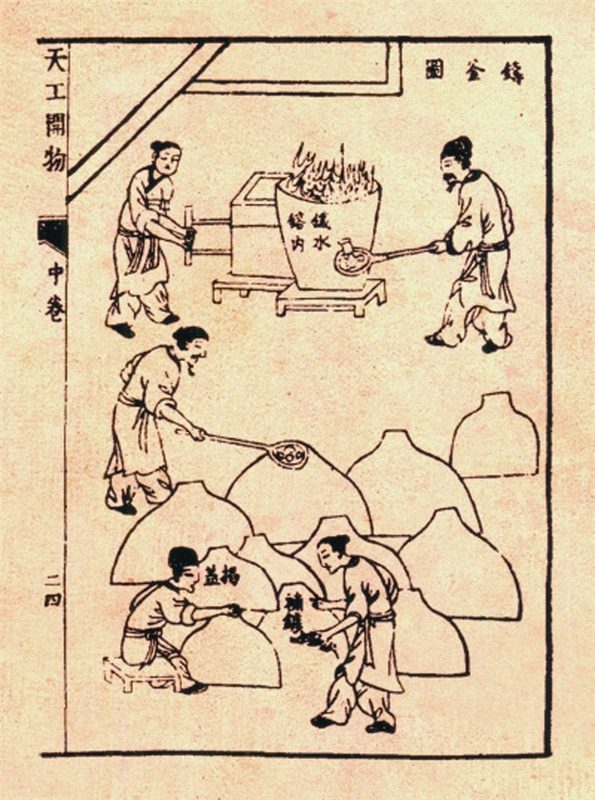
Song Yingxing's Tiangong Kaiwu surveys ancient farming and craft techniques with over 120 illustrations, called the "encyclopedia of crafts of 17th-century China".
View on the timeline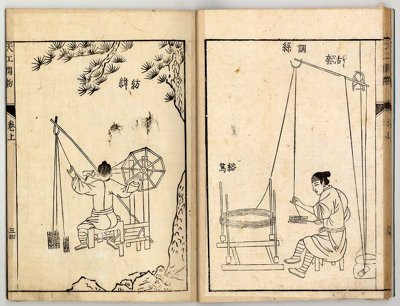
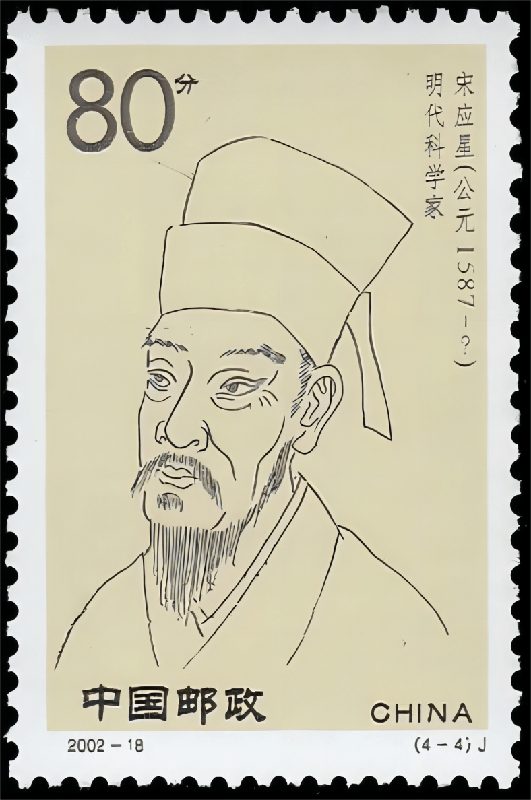
Song Yingxing (1587–c. 1666), courtesy name Changgeng, was from Fengxin, Jiangxi. He passed the provincial examination in 1615 but failed the metropolitan examination five times. On his journeys to and from the capital for the examinations he observed agriculture and handicraft production in many regions. He later served as an instructor at the Fenyi County school in Jiangxi and in his spare time devoted himself to science and technology, publishing Tiangong Kaiwu in 1637. The title draws on the phrase in the Book of Documents, "Heaven's work, man takes its place", and the Book of Changes, "opening up things and accomplishing tasks", meaning to make use of nature and develop all things. In three parts and eighteen chapters, it covers nearly every branch of farming and handicraft production in China at the time, including grain, cotton and hemp cultivation, silkworm rearing, dyeing, grain processing, salt making, sugar making, pottery, smelting and casting, boat and cart building, forging, oil pressing, papermaking, mining and metallurgy, weapons, brewing and the cutting of pearls and jade. It records many techniques then leading the world, such as smelting zinc with coal, continuous smelting of pig iron and wrought iron, and cross-breeding silkworms for good strains. Song also supplied over 120 illustrations that vividly show production processes and laborers in various trades. In his preface he says that the arrangement of the book, "with the volumes in front and behind, follows the principle of valuing the five grains and despising gold and jade", reflecting an emphasis on agriculture.
References
Text and images from Wikipedia are used under CC BY-SA and their respective licenses