MingAD 1368–1644
Nurhaci Founds the Later Jin
1616
In 1616 Nurhaci united the Jurchen tribes and founded the Later Jin at Hetu Ala; his Eight Banners system joined military and civil rule.
View on the timeline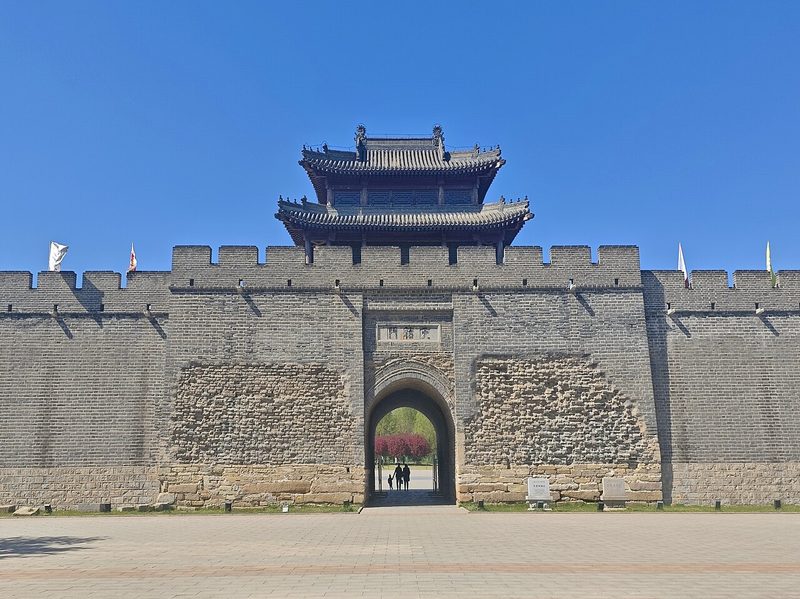
The Jurchens were an ancient people of northeast China, divided in the Ming into three main groups: the Jianzhou, Haixi and Wild Jurchens. Nurhaci (1559–1626), of the Aisin Gioro clan, a Jianzhou Jurchen, had a grandfather and father who held posts in the Ming Jianzhou Left Guard. In 1583 his grandfather and father were killed by mistake when Ming forces attacked Gure, and Nurhaci raised troops with the thirteen sets of armor they left, beginning the work of uniting the Jurchen tribes. After more than thirty years of campaigns he united the Jianzhou Jurchens and largely united the Haixi tribes. In the process Nurhaci created the Eight Banners system, first four banners (yellow, white, red and blue), later adding four bordered banners, eight in all. The system combined production, administration and military functions in "unity of soldier and people": bannermen "were soldiers when they went out and civilians when they came home", greatly raising fighting strength. He also had a Manchu script created from the Mongolian alphabet. In 1616 Nurhaci proclaimed himself khan at Hetu Ala (present-day Xinbin, Liaoning) and established a regime with the state name Great Jin, known as the Later Jin. In 1618 he announced the "Seven Grievances" to Heaven, rose against the Ming and took Fushun. In 1619 the Later Jin won a victory against the odds over the Ming army at Sarhu, after which the Ming went on the defensive in Liaodong. The Later Jin then took Shenyang, Liaoyang and other places, and in 1625 moved its capital to Shenyang. In 1626 Nurhaci attacked Ningyuan, was defeated by the Ming general Yuan Chonghuan and died soon after.
References
Text and images from Wikipedia are used under CC BY-SA and their respective licenses