MingAD 1368–1644
Wu Cheng'en Writes Journey to the West
Mid-Ming
In the mid-Ming Wu Cheng'en wrote the mythological novel Journey to the West, based on Xuanzhang's pilgrimage, creating the mythic hero Sun Wukong.
View on the timeline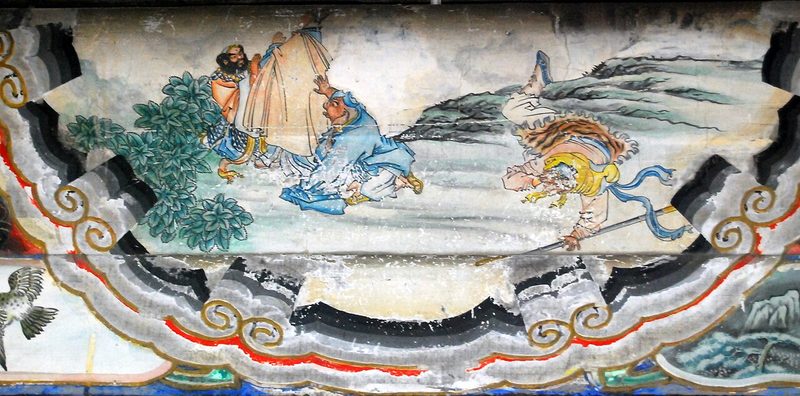
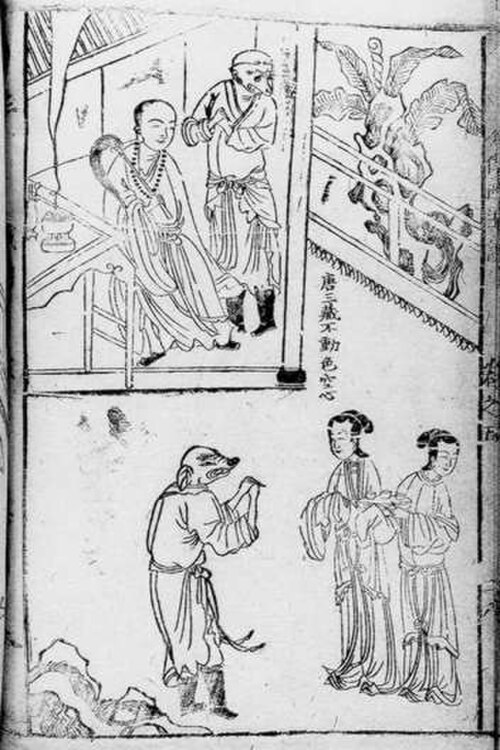
Journey to the West is a long mythological novel of the mid-Ming, generally attributed to Wu Cheng'en. Wu Cheng'en (c. 1500–c. 1582), courtesy name Ruzhong, art name Sheyang Shanren, was from Shanyang in Huai'an (present-day Huai'an, Jiangsu). He loved stories of gods and spirits but repeatedly failed the civil service examinations, holding only minor posts such as county assistant magistrate of Changxing, and in old age devoted himself to writing. The novel is based on the historical pilgrimage of the Tang monk Xuanzang to India for scriptures, drawing on tales, storytellers' scripts and plays circulating since the Song and Yuan, such as The Poetic Tale of the Tripitaka's Quest for Scriptures in the Great Tang, which the author reworked. In 100 chapters, the first seven tell of Sun Wukong's birth, his learning from a master and his havoc in Heaven, ending with his imprisonment under the Five Elements Mountain by the Buddha; the rest tell how he protects Xuanzang and, with Zhu Bajie and Sha Wujing, goes through eighty-one trials to reach the Western Heaven and obtain the true scriptures. The novel centers on the mythic hero Sun Wukong, bold, highly skilled, clear in his loves and hatreds, quick-witted and brave; he knows seventy-two transformations, can somersault 108,000 li in one leap, dares to defy the authority of Heaven and subdues demons, and is much loved. With bold imagination and an exaggerated style, the author draws a strange and wondrous world and uses the realm of gods and demons to satirize the darkness of real society and express a wish to root out evil. The language is lively and humorous and the story gripping.
References
Text and images from Wikipedia are used under CC BY-SA and their respective licenses