MingAD 1368–1644
Li Shizhen Writes the Compendium of Materia Medica
Mid to Late Ming
The physician Li Shizhen spent 27 years compiling the Compendium of Materia Medica, recording over 1,800 drugs and 10,000 prescriptions, hailed as the "great medical canon of the East".
View on the timeline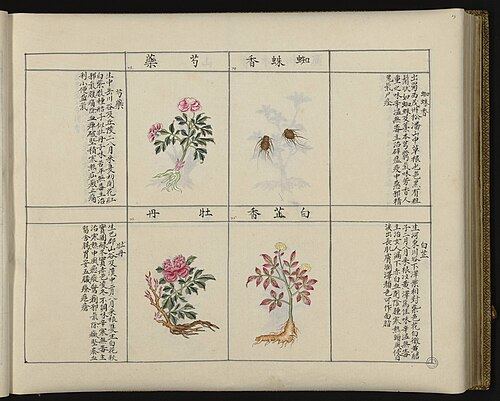
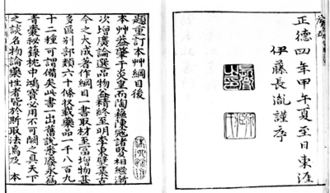
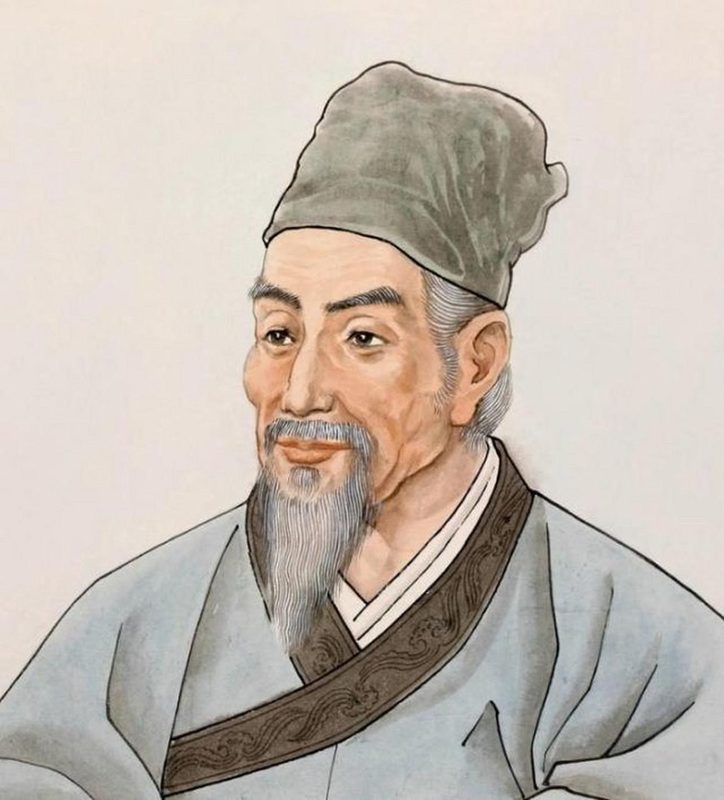
Li Shizhen (1518–1593), courtesy name Dongbi, art name Binhu, was from Qizhou (present-day Qichun, Hubei) and came from a family of physicians. In youth he failed the provincial examination three times, so he resolved to carry on his father's work and devote himself to medicine. In long medical practice he found many errors and omissions in earlier materia medica texts and felt it necessary to organize and supplement the ancient pharmacological works. From 1552 Li consulted over eight hundred medical works and went into the countryside to investigate, consulting peasants, herb gatherers and hunters, collecting specimens and tasting drugs himself, gathering a great deal of first-hand material. After 27 years of effort and three drafts, he completed the Compendium of Materia Medica in 1578. In 52 volumes and about 1.9 million characters, it records 1,892 drugs, 374 of them newly added, over 11,000 prescriptions and more than 1,100 illustrations of drug forms. Using the method of "organizing the details under main headings", it classifies drugs into 16 divisions and 60 categories, including water, fire, earth, metals and stones, herbs, grains, vegetables, fruits, trees, clothing and utensils, insects, scaled animals, shelled animals, birds, beasts and humans, describing each drug's origin, form, taste and effect, a classification advanced for its time. The work sums up China's pharmacological achievements before the 16th century. It was formally published in Nanjing in 1596, reached Japan and Korea in the early 17th century and was later translated into several languages; Darwin also cited material from it. It is hailed as the "great medical canon of the East". In 2011 the Jinling edition was inscribed on the Memory of the World Register.
References
Text and images from Wikipedia are used under CC BY-SA and their respective licenses