MingAD 1368–1644
Qi Jiguang Fights the Japanese Pirates
Mid-16th Century
Qi Jiguang raised the "Qi Family Army" and devised the "Mandarin duck formation", winning nine battles in nine at Taizhou in 1561 and, with Yu Dayou, largely ending the pirate threat.
View on the timeline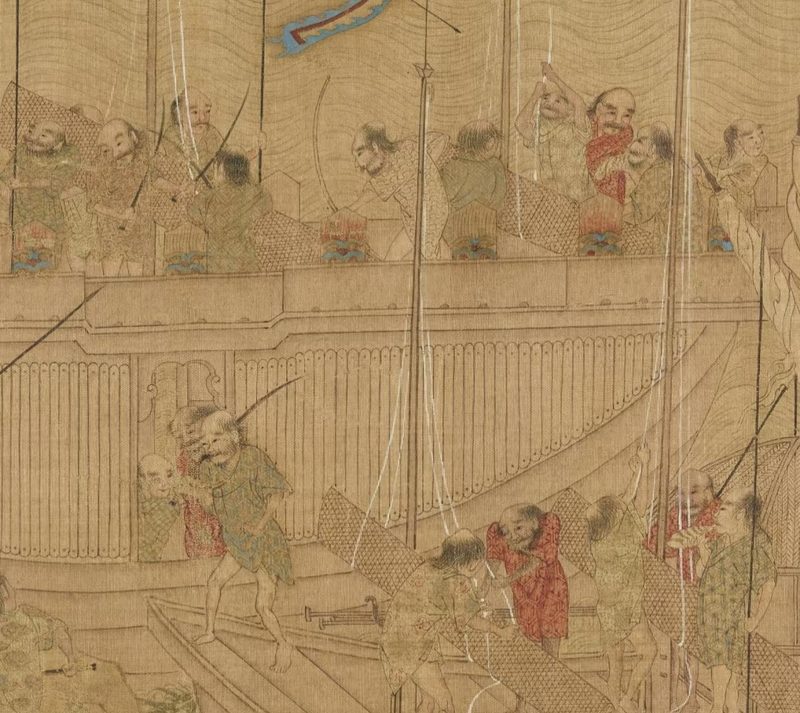
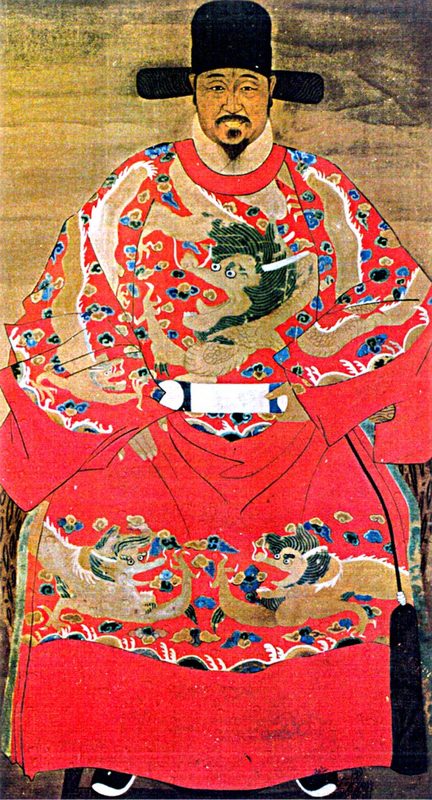
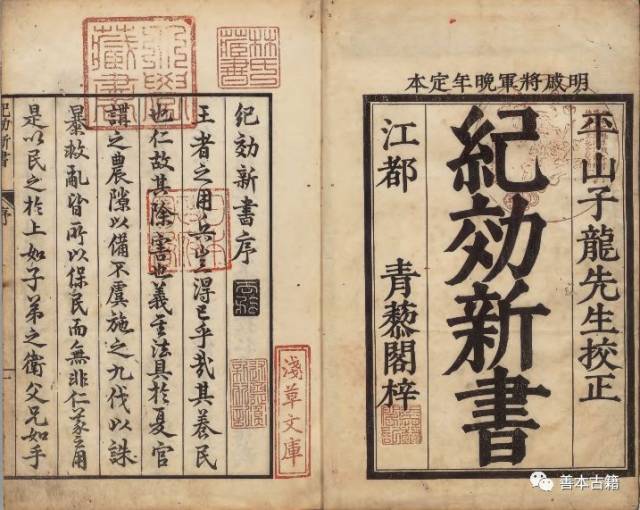
Ancient China called Japan the land of Wo. In the late Yuan and early Ming, some Japanese warriors, rōnin and unscrupulous merchants formed pirate bands that smuggled and raided along the Chinese coast, known as "wokou". In the mid-Ming, Japan was in its Warring States period while the Ming was weakened and its coastal defenses lax; the wokou colluded with Chinese pirates and shady merchants and raided the southeast coast ever more boldly, killing residents and looting goods, causing great damage in coastal regions, known as the "Japanese pirate troubles". Qi Jiguang (1528–1588), from Dengzhou, Shandong, came from a military family, loved military books from childhood and as a young man set the ambition: "Being made a marquis is not what I want, only that the waves of the sea be calm." In 1555 he was transferred to Zhejiang to fight the pirates. Seeing that the existing troops were slack and weak, he recruited peasants and miners at Yiwu and elsewhere in Zhejiang and trained them strictly; this disciplined, hardy army became known as the "Qi Family Army". To suit the pirates' fighting style and the marshy, water-laced terrain of Jiangnan, Qi devised the "Mandarin duck formation", a 12-man unit combining long and short weapons, balancing offense and defense. In 1561 the pirates invaded Taizhou, Zhejiang in force, and Qi led his army to nine victories in nine battles, ending the pirate trouble in eastern Zhejiang. He then led his army into Fujian and Guangdong and with Yu Dayou, Liu Xian and other generals defeated the pirates, and by about 1565 the trouble on the southeast coast was largely ended. Qi Jiguang was later transferred to Jizhen as garrison commander, guarding the northern frontier for sixteen years and overseeing the building of the Great Wall.
References
Text and images from Wikipedia are used under CC BY-SA and their respective licenses