MingAD 1368–1644
Ming Economic Growth (American Crops, Merchant Groups)
Mid to Late Ming
The Ming adopted American crops such as maize and sweet potato, spread cotton weaving, made Jingdezhen a porcelain center and saw merchant groups like the Shanxi and Huizhou merchants arise.
View on the timeline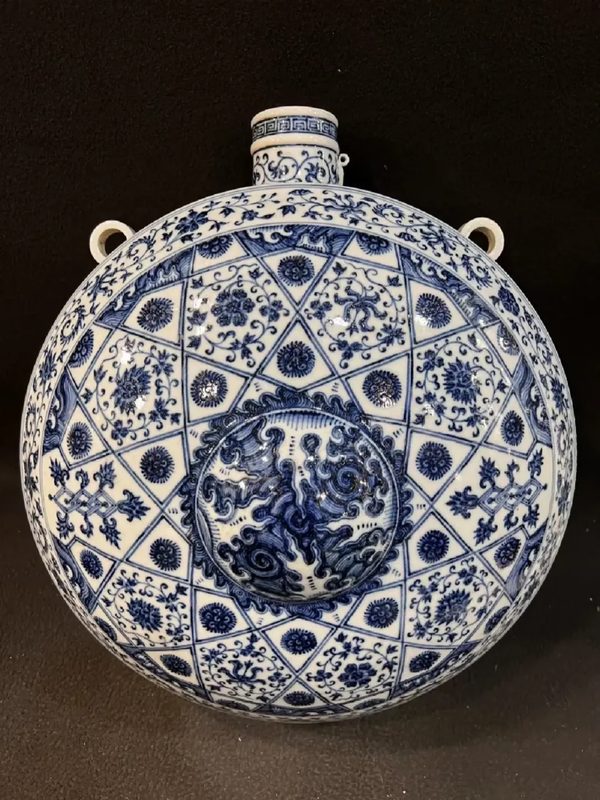
Under the Ming, agriculture, handicrafts and commerce continued to grow on earlier foundations. In agriculture, as contact between East and West increased after the opening of new sea routes, crops native to the Americas such as maize, sweet potato, potato, peanut and tobacco reached China one after another. Maize and sweet potato were drought-resistant and high-yielding, suited to hills and mountains, and played an important part in raising grain output and feeding a larger population. In 1593 Chen Zhenlong of Fujian brought sweet potato vines back from Luzon (present-day Philippines), grew them successfully in Fujian, and they spread to other regions. In handicrafts, cotton growing and weaving spread from the south to the north; Songjiang (around present-day Shanghai) was the national cotton-weaving center, said to "clothe the whole realm"; Suzhou was the silk-weaving center, where "loom owners" with looms who hired workers and "loom hands" who sold their labor appeared; Jingdezhen was the national porcelain center, its blue-and-white ware in varied shapes and bright colors selling at home and abroad. In commerce, Beijing and Nanjing were nationwide trading cities, with dozens of other large commercial cities elsewhere; large amounts of silver flowed into China through overseas trade and silver became the main currency. In the late Ming the "Single Whip" reform, collecting taxes and labor service in silver, further promoted the commodity economy. Many wealthy merchants carried large sums in long-distance trade, forming regional merchant groups, the best known being the Shanxi merchants and the Huizhou merchants of Anhui, who dealt in salt, grain, cloth, tea and pawnbroking; it was said that "without Huizhou merchants there is no market town".
References
Text and images from Wikipedia are used under CC BY-SA and their respective licenses