MingAD 1368–1644
Building the Ming Great Wall
Ming Dynasty (built 18 times)
To defend against Mongol nobles, the Ming rebuilt the Great Wall 18 times, from the Yalu River to Jiayuguan; it forms the main part of the Wall seen today.
View on the timeline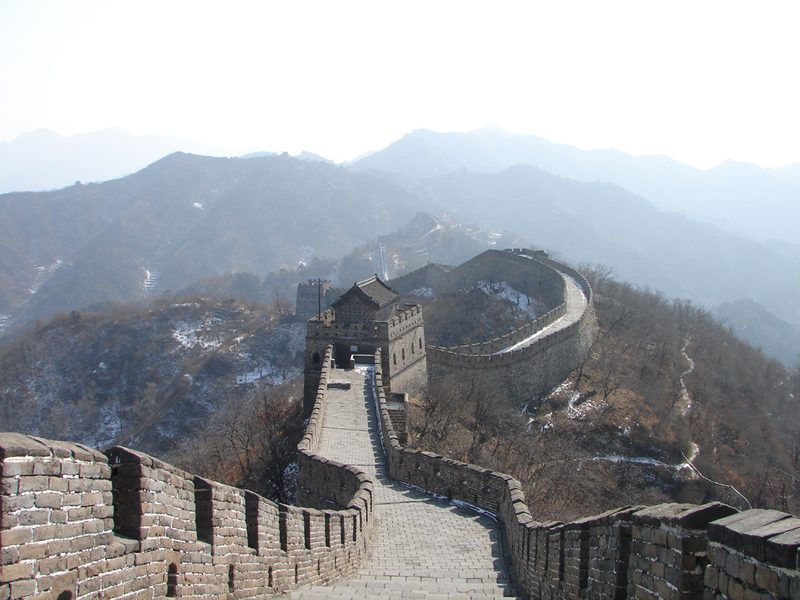
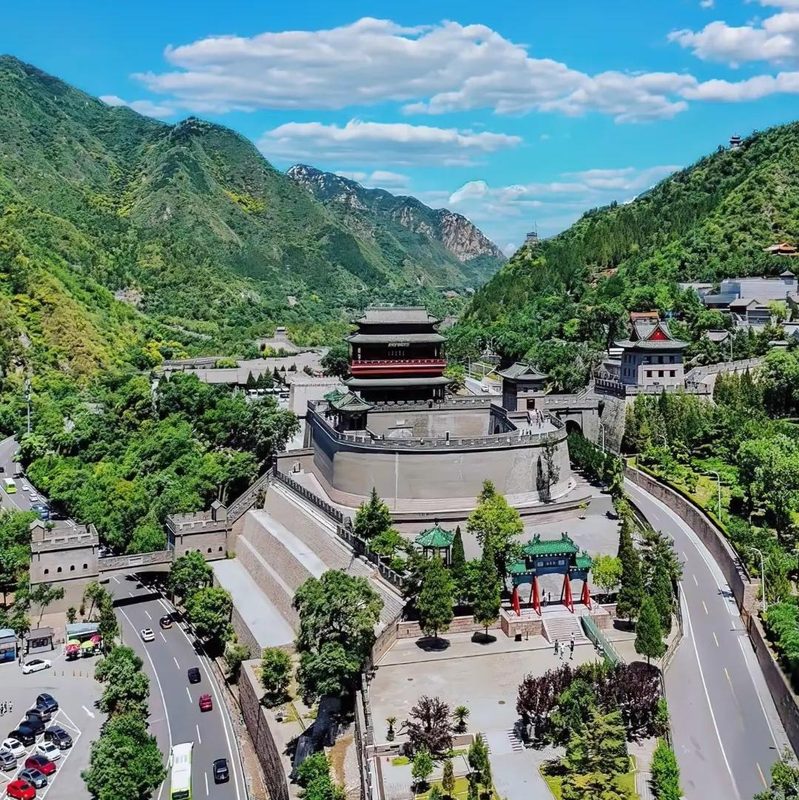
After the Ming was founded, Mongol nobles who had withdrawn north of the Gobi kept raiding southward, and later the Jurchens of the northeast also rose. To secure the northern frontier, the Ming over more than two hundred years built the Great Wall 18 times, forming the Ming Great Wall running from the Yalu River in the east to Jiayuguan in Gansu in the west, over ten thousand li long. 8 kilometers. Along it the Ming set up nine military garrisons, including Liaodong, Jizhou, Xuanfu, Datong, Yansui and Gansu, called the "Nine Frontier Garrisons", with heavy troops stationed and military farming carried out. The Ming Great Wall, with walls as its main body, comprises passes, wall platforms, watchtowers and beacon towers, forming a complete defensive system. From the mid-Ming the Wall was largely built of brick and stone and was very strong. In the Longqing reign the famed anti-pirate general Qi Jiguang was transferred to Jizhen as garrison commander and oversaw building the Wall there, creating hollow watchtowers that could house troops and store munitions and greatly strengthening defense. Along the Wall many fortified passes were built, famous ones including Shanhaiguan, Juyongguan, Pingxingguan, Yanmenguan and Jiayuguan. Well-known sections today such as Badaling, Mutianyu and Jinshanling were all built in the Ming. The Wall lay at the border between farming and nomadic regions, and in the late Ming many "horse markets" were opened along it for trade in farm and herding products, so the Wall also became a link between peoples. In 1987 the Great Wall was inscribed on the World Heritage List. It embodies the wisdom and toil of ancient laborers and is regarded as a symbol of the Chinese nation's spirit.
References
Text and images from Wikipedia are used under CC BY-SA and their respective licenses