MingAD 1368–1644
Early Ming Foreign Relations (Visits by the Kings of Brunei and Sulu)
Early Ming
The early Ming developed friendly ties with neighbors; the kings of Brunei and Sulu died while visiting China and were buried in Nanjing and Dezhou as they wished.
View on the timeline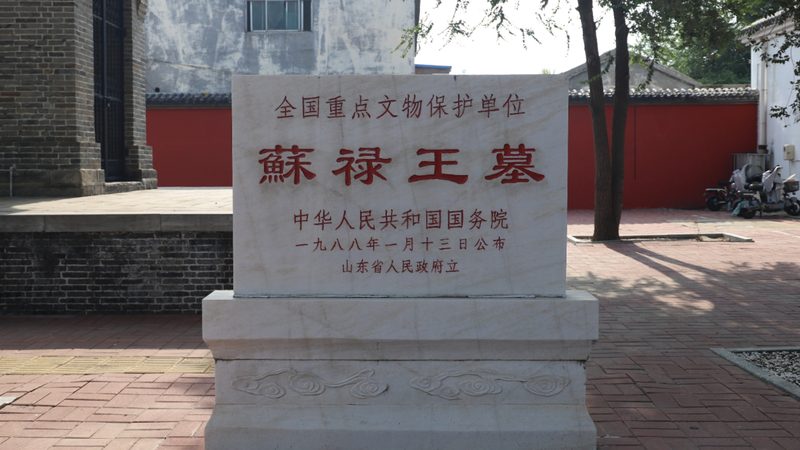
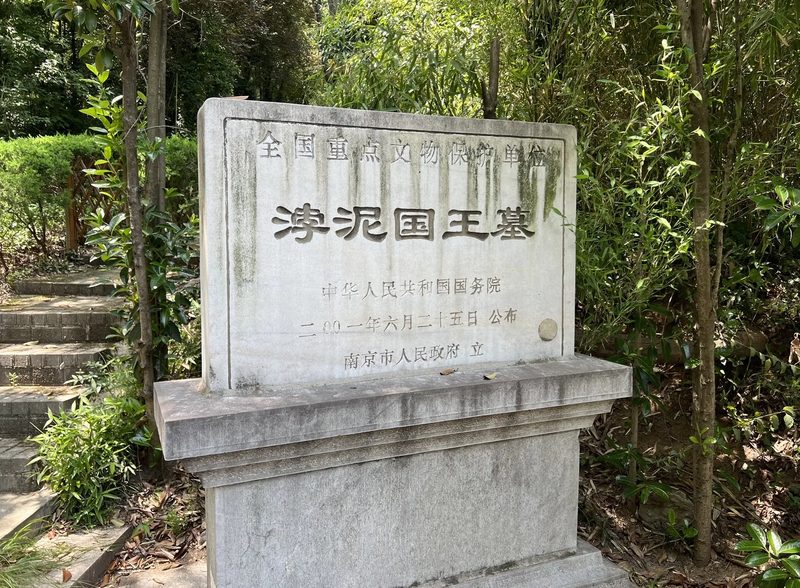
After the Ming was founded, Ming Taizu actively developed friendly relations with neighboring countries and regions and sent envoys abroad, "commissioning envoys to go beyond the borders in all directions, passing through states, with thirty-six countries actually visited". After the Yongle Emperor took the throne, besides sending Zheng He on his voyages he sent envoys to other countries over fifty times, and many overseas countries sent envoys to China, with the kings of several countries visiting in person. In 1408 the King of Brunei (in the north of Borneo, around present-day Brunei), Maharaja Kali, came to Nanjing with his queen, children and over 150 attendants and was grandly received by the Yongle Emperor. Soon after he fell ill and died in Nanjing, leaving a will asking that "my body be entrusted to burial in China". The emperor buried him with royal rites at Shiziganggang outside Nanjing's Andemen gate, bestowed the posthumous title "Gongshun" and had the prince escorted home to succeed him. The Brunei king's tomb is now in Nanjing's Yuhuatai District, with stone figures and animals from the Ming still before it, and was rediscovered in 1958. In 1417 the Eastern, Western and Cave kings of Sulu (in the Sulu Archipelago of the present-day Philippines) came to China with over 340 family and attendants and were warmly entertained by the Yongle Emperor. On the way home the Eastern King, Paduka Pahala, died in Dezhou, Shandong; the emperor buried him there with royal rites, gave the title "Gongding" and left his consort and two princes to keep the tomb.
References
Text and images from Wikipedia are used under CC BY-SA and their respective licenses