YuanAD 1271–1368
Yuan Drama and Guan Hanqing's The Injustice to Dou E
Yuan Dynasty
Yuan qu comprises sanqu verse and zaju drama; Guan Hanqing, the finest Yuan dramatist, wrote The Injustice to Dou E and is counted among the "Four Great Yuan Dramatists".
View on the timeline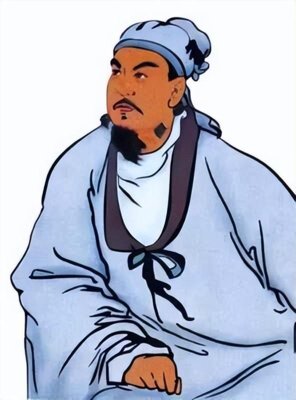
Under the Yuan, urban economies flourished and townspeople's culture developed, while many literati, blocked from official careers by the long suspension of the civil service examinations, turned to writing for the theater, making Yuan drama unprecedentedly flourishing. Yuan qu comprises sanqu and zaju. Sanqu is a new form of poetry that can be sung without staging; zaju is a composite stage art merging music, song and dance, movement and spoken lines, generally in four acts. Yuan qu is ranked with Tang poetry and Song ci as another peak of Chinese literature. There were about two hundred Yuan zaju writers who produced some six hundred plays, of which over 150 survive. The finest was Guan Hanqing of Dadu, familiar with the life of the lower classes, who wrote over sixty zaju in his life, of which more than ten survive. His masterpiece is the tragedy The Injustice to Dou E, in which the kind young widow Dou E is falsely accused by the rogue Zhang Lüer and, under severe torture by a muddled official, is wrongly executed. Before her execution Dou E makes three vows: her blood will spatter the white silk, snow will fall in midsummer, and drought will last three years; all come true. The work exposes the corruption of Yuan officials and the darkness of society and expresses the people's spirit of resistance to oppression. Guan Hanqing also wrote plays including Rescuing a Courtesan, Single Sword Meeting and Pavilion by the River, and in 1958 the World Peace Council named him a "World Cultural Figure". Other dramatists of comparable fame are Ma Zhiyuan, Zheng Guangzu and Bai Pu, who with him are the "Four Great Yuan Dramatists".
References
Text and images from Wikipedia are used under CC BY-SA and their respective licenses