YuanAD 1271–1368
Wen Tianxiang Is Executed
1283
The Southern Song chancellor Wen Tianxiang resisted the Yuan; captured, he refused to yield, wrote Crossing Lingding Ocean and Song of Righteousness, and was executed in Dadu in 1283.
View on the timeline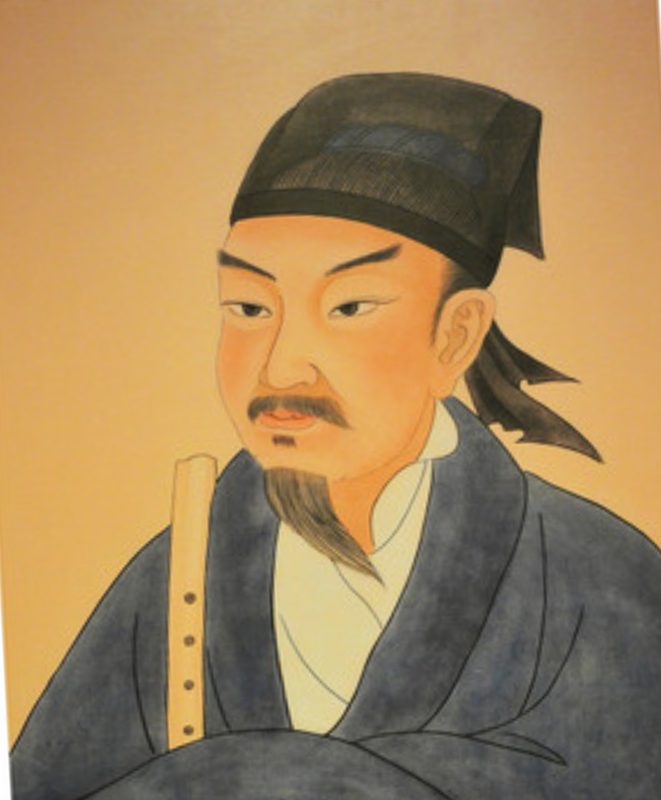
Wen Tianxiang (1236–1283), courtesy name Lüshan, art name Wenshan, was from Luling in Jizhou (present-day Ji'an, Jiangxi), and took first place in the palace examination at twenty. In 1275, as Yuan forces came down the Yangtze toward Lin'an, the Southern Song court called on all regions to raise troops to defend the dynasty; Wen responded at once, recruiting over ten thousand volunteers to go to its aid. In 1276 the court appointed him Right Chancellor and Commissioner of Military Affairs and sent him to negotiate at the Yuan camp. He spoke boldly and denounced the Yuan side, and was detained by the Yuan commander Bayan. Soon Lin'an fell and Wen was taken north, but he escaped at Zhenjiang and, after many hardships, reached Fujian, where he continued to organize the remaining Song forces and local volunteers against the Yuan. In 1278 he was defeated and captured at Wupoling in Haifeng, Guangdong. The Yuan general Zhang Hongfan forced him to write urging Zhang Shijie, holding Yamen, to surrender; Wen answered with the poem Crossing Lingding Ocean, whose lines "Who since antiquity has not died? Let my loyal heart shine in the annals" became famous for all time. After the last Song forces were destroyed at Yamen in 1279, Wen was taken to Dadu and held for over three years. The Yuan rulers urged him repeatedly to submit; Kublai Khan received him in person and offered high office such as chancellor, and the captive Emperor Gong of Song was even sent to persuade him, but Wen would rather die, saying, "Beyond death, there is nothing more for me to do." In prison he wrote the stirring Song of Righteousness, expressing his resolve to keep his integrity.
References
Text and images from Wikipedia are used under CC BY-SA and their respective licenses