TangAD 618–907
Princess Jincheng and the Tang–Tubo Treaties
710, 821–824
In 710 Princess Jincheng married the Tubo king Tride Tsugtsen, and Tang and Tubo called each other “uncle and nephew”. In 821–823 they swore a treaty, with a stele erected before the Jokhang.
View on the timeline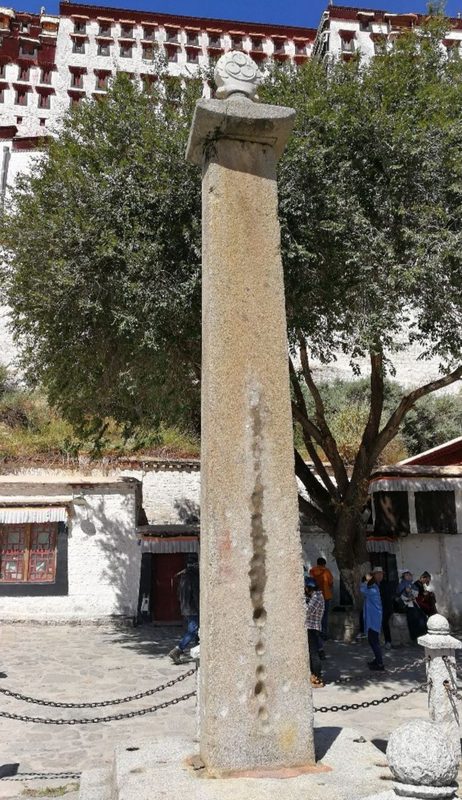
After Princess Wencheng entered Tibet, Tang and Tubo kept close ties, though they also fought over the Western Regions and Qinghai. In 710, at Tubo's request, they made another marriage alliance: Emperor Zhongzong married his adopted daughter Princess Jincheng to the Tubo king Tride Tsugtsen (also rendered Chidai Zhudan). She brought large quantities of silk and brocade, craftsmen, and a Kucha band. Tradition holds that she moved the Sakyamuni statue brought by Princess Wencheng to the Jokhang and promoted Buddhist practice in Tubo. Tang and Tubo then agreed to trade and set their border at Chiling (present-day Riyue Mountain, Qinghai). Tride Tsugtsen wrote to Emperor Xuanzong that Tang and Tubo were “united as one family”, calling himself “nephew” and the Tang emperor “uncle”, and from then on the two often addressed each other as “uncle and nephew”. After the An Lushan Rebellion, Tubo took advantage of Tang's weakness to seize Hexi, Longyou and other regions, and war was frequent, but they also swore treaties several times. In 821–822, Tang and Tubo held covenant ceremonies in Chang'an and Logzhi (present-day Lhasa), known as the “Changqing Treaty”. In 823 Tubo erected a stele before the Jokhang in Lhasa, inscribed in Chinese and Tibetan with the treaty: the Tang–Tubo Treaty Stele, also called the Uncle–Nephew Treaty Stele. Its text says that the two states were “as one realm” and would “forever honor the friendship of uncle and nephew”. The stele still stands before the Jokhang, a witness to friendly exchanges between Han and Tibetans.
References
Text and images from Wikipedia are used under CC BY-SA and their respective licenses