TangAD 618–907
Wu Zetian Proclaims Herself Emperor
690
In 690 Wu Zetian renamed the dynasty Zhou and became emperor, the only woman to rule China as emperor. She promoted the examination system and agriculture, bridging the Zhenguan and Kaiyuan eras.
View on the timeline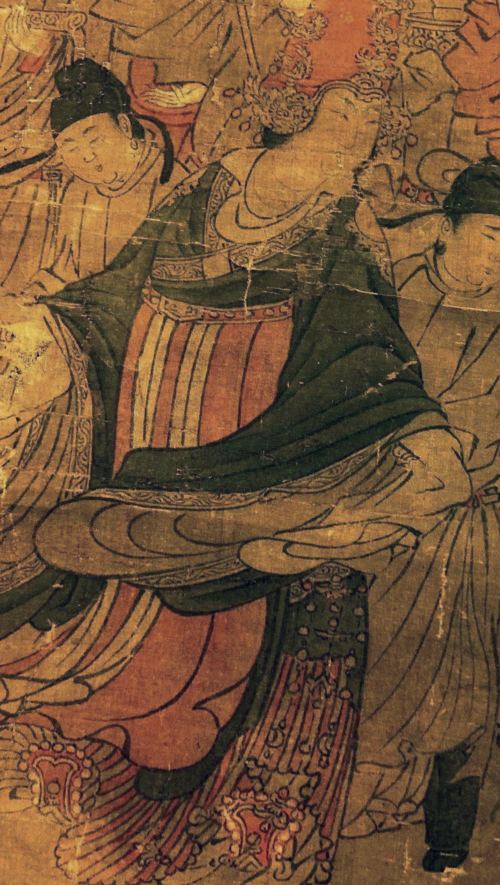
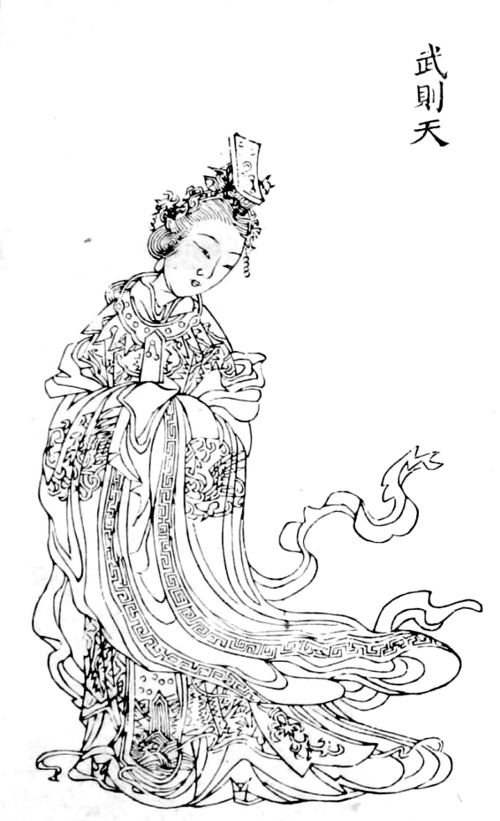
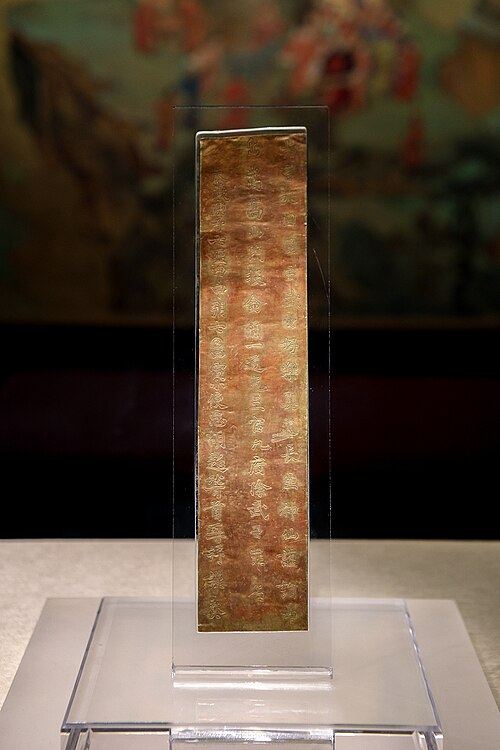
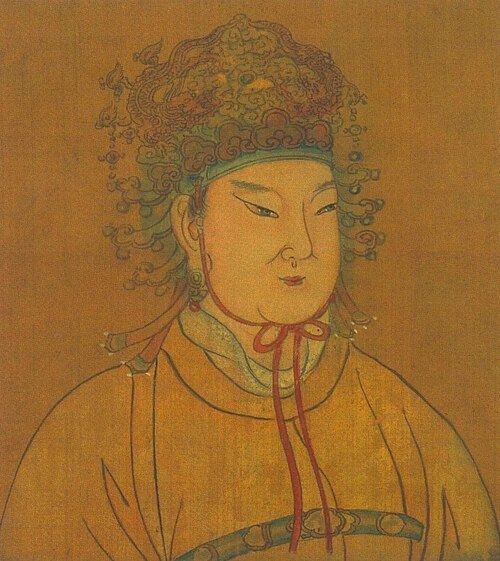
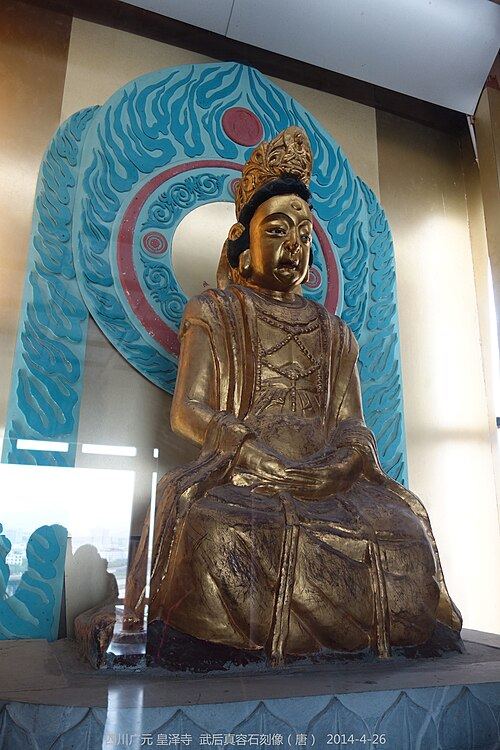
Wu Zetian (624–705), personal name Zhao, was from Wenshui, Bingzhou (present-day Wenshui, Shanxi). She began as a concubine of Emperor Taizong and was later brought back to the palace by Emperor Gaozong. In 655 Gaozong deposed Empress Wang and made Wu Zetian empress. Gaozong was frail and often ill, and Wu Zetian, shrewd and decisive, took part in government; the two were called the “Two Sages”. After Gaozong died in 683, she ruled as empress dowager, deposed Emperor Zhongzong in turn and controlled Emperor Ruizong. In 690 she changed the dynastic name to Zhou, made Luoyang the capital (the “Divine Capital”) and styled herself “Sage and Divine Emperor”, becoming the only formally recognized woman emperor in Chinese history; the period is known as the “Wu Zhou”. During her rule she employed ruthless officials, encouraged informing and harshly suppressed hostile officials and nobles, producing many wrongful cases. But she also valued finding talent, greatly developed the imperial examination, created the palace examination and interviewed candidates herself, began the military examination, and allowed officials and commoners to recommend themselves. Capable ministers such as Di Renjie, Yao Chong and Song Jing were promoted. She continued the agricultural policies of the Zhenguan era and the economy kept growing; households rose from over three million in early Tang to over six million. On the frontier she sent troops to recover the Four Garrisons of Anxi and set up the Beiting Protectorate. In 705 the chancellor Zhang Jianzhi and others launched the Shenlong Coup, forcing Wu Zetian to yield to Zhongzong and restoring the Tang name. She died that year and was buried with Gaozong in the Qianling Mausoleum, in front of which stands the “Wordless Stele”.
References
Text and images from Wikipedia are used under CC BY-SA and their respective licenses