TangAD 618–907
Tang and Silla Exchanges
Sui and Tang
After Silla unified most of the Korean Peninsula it kept close ties with Tang, sent many students, and modeled its institutions on Tang's. Choe Chiwon and others became envoys of Sino-Korean culture.
View on the timeline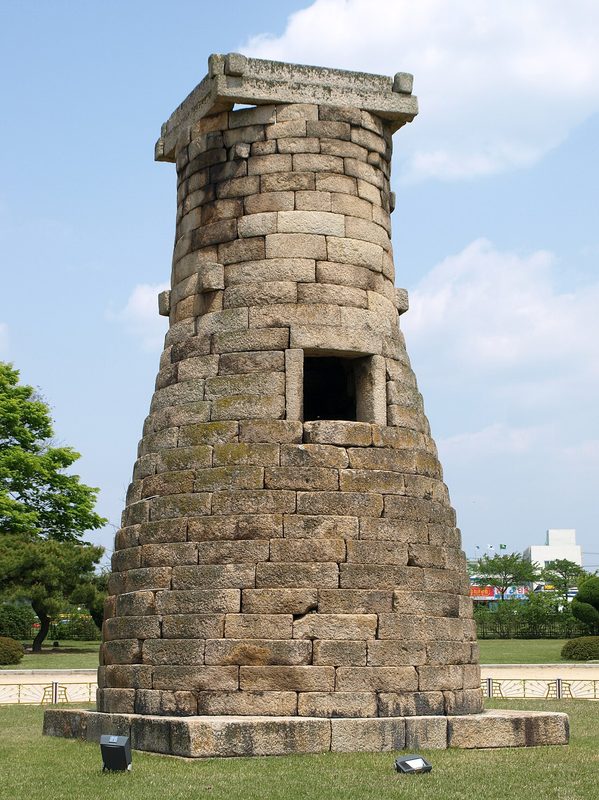
In the Sui and Tang period the Korean Peninsula held three states, Goguryeo, Baekje and Silla, which had frequent contact with China. In the mid-7th century Silla joined Tang to destroy Baekje and Goguryeo, and by about 675 had largely unified the peninsula south of the Taedong River. After it grew strong, Silla was very close to Tang, sending envoys almost every year and many students to the Imperial Academy in Chang'an to study Chinese culture, at most over a hundred at a time. Silla modeled its central and local government on Tang's, selected officials by examinations on the Confucian classics, and adopted Chinese medicine, astronomy, calendrical science, architecture and Buddhism; Tang poetry and books flowed in large numbers to the peninsula. Many Silla merchants came to China, forming communities such as the “Silla quarters” on the Shandong Peninsula and in the Yangtze–Huai region. Silla goods such as bezoar, ginseng, seal skins and gold and silver ware were imported in large amounts, ranking first among Tang imports, while Tang silk, tea, porcelain and books were sent to Silla. Korean music also entered China: “Goryeo music” was performed at the Tang court and popular among the people. Choe Chiwon was an outstanding figure of the exchange. He went to Tang to study at twelve, passed the jinshi examination at eighteen, served as a Tang official, and won fame by drafting for Gao Pian a proclamation against Huang Chao, before returning to Silla. His collected writings, Plowing the Cinnamon Grove with a Writing Brush (Guiyuan Bigeng Ji), survive and are important sources on Tang history and Sino-Korean relations; he is honored as the founder of Korean literature in classical Chinese.
References
Text and images from Wikipedia are used under CC BY-SA and their respective licenses