Northern and Southern DynastiesAD 420–589
Northern Wei Unifies the North
AD 439
The Northern Wei, founded by the Tuoba of the Xianbei, grew strong; in AD 439 Emperor Taiwu destroyed Northern Liang and unified the north, ending the division there since the Sixteen Kingdoms.
View on the timeline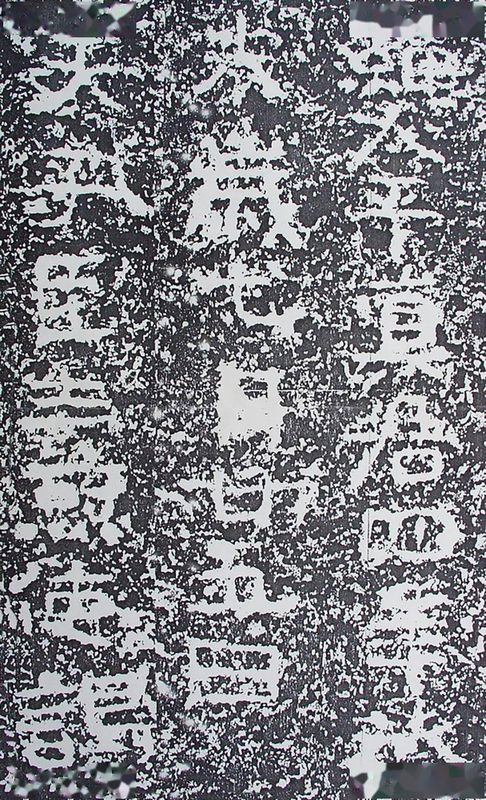
The Xianbei are an ancient people of northern China; their Tuoba branch originally nomadized in the northern Greater Khingan Range and gradually moved south to the Yin Mountains. In the Sixteen Kingdoms period the Tuoba chief Shiyijian founded the state of Dai, which was destroyed by the Former Qin. After the Former Qin collapsed following the Battle of Fei River, Shiyijian's grandson Tuoba Gui restored the state in 386 and soon renamed it Wei, known as the Northern Wei. In 398 Tuoba Gui moved the capital to Pingcheng (present-day Datong, Shanxi) and formally became emperor, as Emperor Daowu. After its founding the Northern Wei learned from Central Plains institutions, employed Han scholars, and developed agriculture, and its strength grew rapidly. In 423 Emperor Taiwu, Tuoba Tao, took the throne. A ruler of great talent and vision, he relied on Han scholars such as Cui Hao, destroyed Daxia and Northern Yan, and defeated the Rouran in the north. In 439 the Northern Wei destroyed Northern Liang and unified the north, ending the division and warfare of more than a century since the end of the Western Jin, and stood in a north–south standoff with the Liu Song in the south; Chinese history entered the Northern and Southern Dynasties. After the unification, order in the north gradually settled; the peoples there had long lived mixed together, and those who had moved inward no longer differed clearly from the Han in production, life and customs. But the Xianbei Tuoba, having moved inward later, kept many old Xianbei customs, and there were also tensions between Xianbei nobles and Han scholars within the ruling class. Governing the vast north was difficult, setting the stage for Emperor Xiaowen's reforms.
References
Text and images from Wikipedia are used under CC BY-SA and their respective licenses