Northern and Southern DynastiesAD 420–589
Development of the Jiangnan Region
Eastern Jin and Southern Dynasties
Northerners moving south brought labor and techniques; Jiangnan's farming and crafts grew rapidly, laying the basis for the economic center's later shift south.
View on the timeline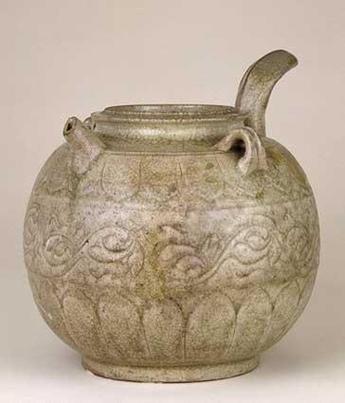
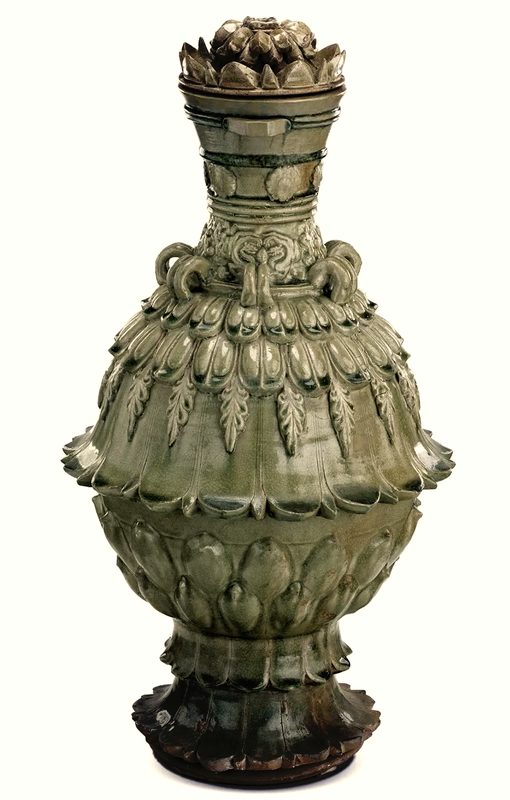
In the Qin and Han, economic development was uneven between north and south China. The Yellow River valley was developed early and prosperous and was the country's economic center, while Jiangnan was thinly populated and backward in production. From the end of the Western Jin, with long warfare in the north, many northerners fled south, known as the “crossing of the gentry to the south.” By the late Eastern Jin the lower and middle Yangtze was filled with refugees, most in present-day Jiangsu, and some continued farther south to Zhejiang, Fujian and Guangdong. Their move brought Jiangnan a great deal of labor and also advanced tools and techniques from the Central Plains. Meanwhile Jiangnan was relatively peaceful, with favorable natural conditions: a warm, moist climate and abundant rain. Northerners and southerners worked together, building water works and clearing wasteland, and Jiangnan was developed on a large scale. In farming, rice-growing techniques improved, ox plowing spread, in places two crops a year were possible, and the Lake Tai basin became a key grain region, so that “if one year's harvest is good, several commanderies forget hunger.” In crafts, textiles, papermaking, ceramics and metalworking all advanced greatly. Commerce also flourished: Jiankang became a populous, bustling metropolis and Guangzhou an important port for foreign trade. The development of Jiangnan changed the old picture of a backward south, narrowed the economic gap between north and south, and laid the basis for the shift of China's economic center southward after the Sui and Tang. Meanwhile the northern gentry and Han culture that moved south blended with local culture, and Jiangnan gradually became a culturally advanced region.
References
Text and images from Wikipedia are used under CC BY-SA and their respective licenses