Qin221–207 BC
Standardizing Script, Currency and Measures
From 221 BC
Qin Shi Huang standardized writing on the small seal script, currency on the round, square-holed banliang coin, and weights, measures and axle widths, promoting trade, cultural exchange and unity.
View on the timeline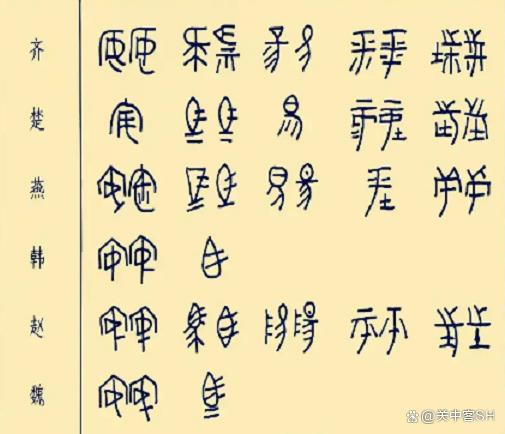
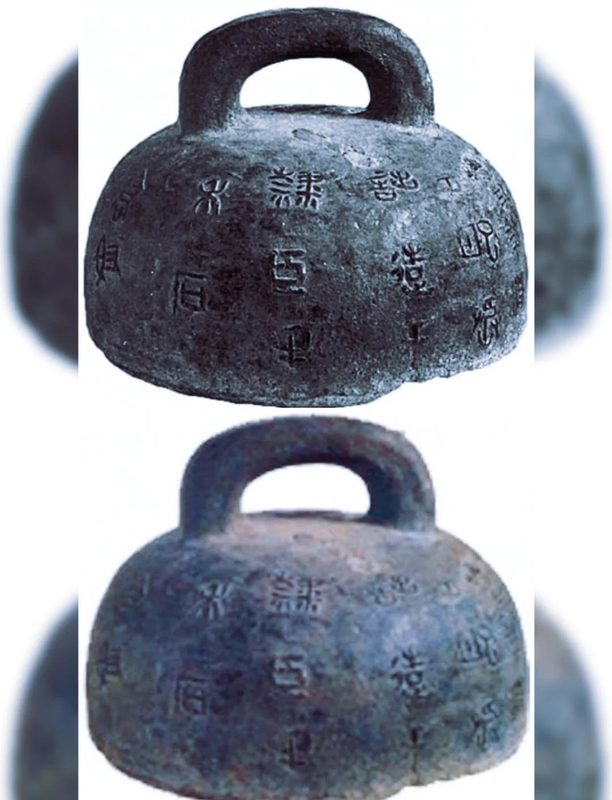
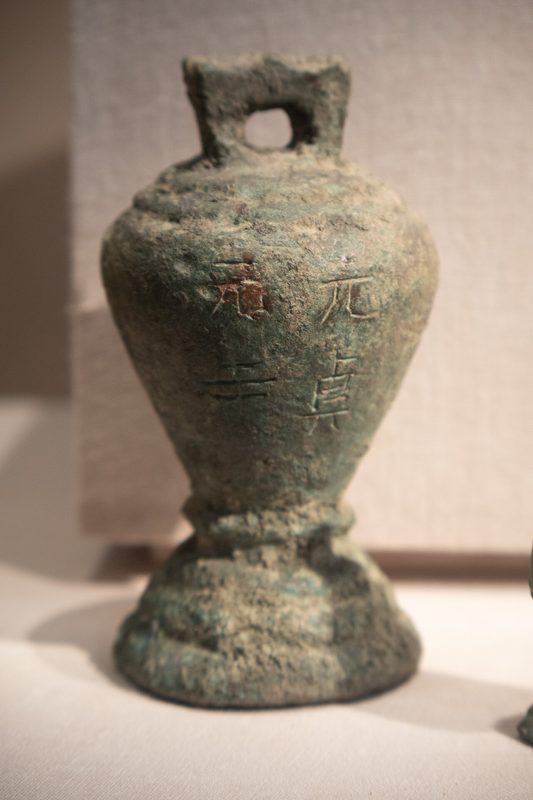
In the Warring States the divided states each had different writing, currency, weights and measures and even cart axle widths, which made governing the unified state and travel between regions very inconvenient. To consolidate unification, Qin Shi Huang adopted a series of measures. For writing, he had Chancellor Li Si and others standardize the script, taking Qin writing as the base and promulgating the regular small seal script as the standard across the country, along with model texts for learning to write; meanwhile a simpler clerical script became popular in popular and official documents. Unified writing let government orders pass smoothly through the country and people everywhere communicate, which was of great significance for transmitting and developing Chinese culture. For currency, Qin Shi Huang abolished the knife money, spade money, ant-nose money and other coins of the six states and made gold the upper currency and the round, square-holed Qin “banliang” copper coin the lower currency, circulated throughout the country. The round, square-holed coin was easy to carry and count and remained in use until the end of the Qing, influencing more than two thousand years. For weights and measures, the Qin system became the standard for the whole country, with the state making standard instruments; many measures and weights are inscribed with an edict of Qin Shi Huang on standardization. Qin also unified cart axle widths, setting the width at six chi, “the same axle width for all carts,” and built imperial roads and straight roads from Xianyang to all parts of the country to aid transport and troop movement.
References
Text and images from Wikipedia are used under CC BY-SA and their respective licenses