Republic of ChinaAD 1912–1949
Victory in the War of Resistance Against Japan
15 August and 2 September 1945
Japan announced unconditional surrender on 15 August 1945 and signed the instrument of surrender on 2 September, ending the war of resistance in victory; Taiwan was returned to China.
View on the timeline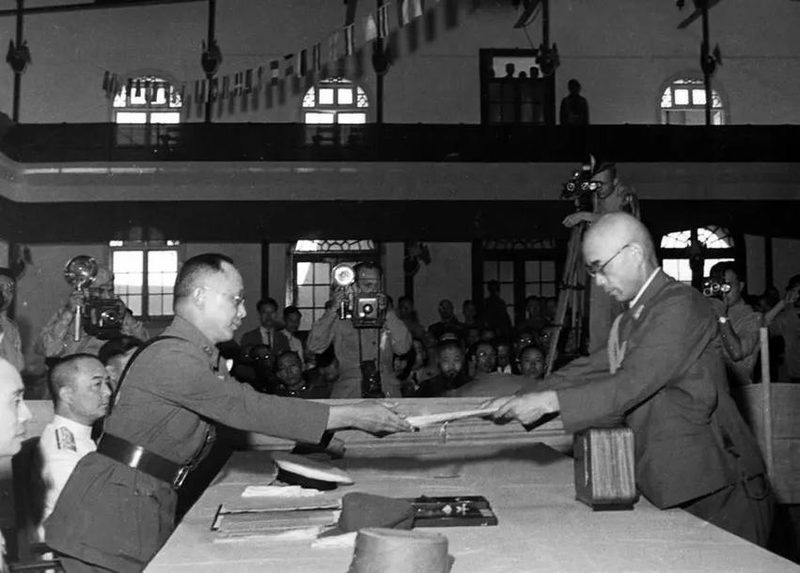
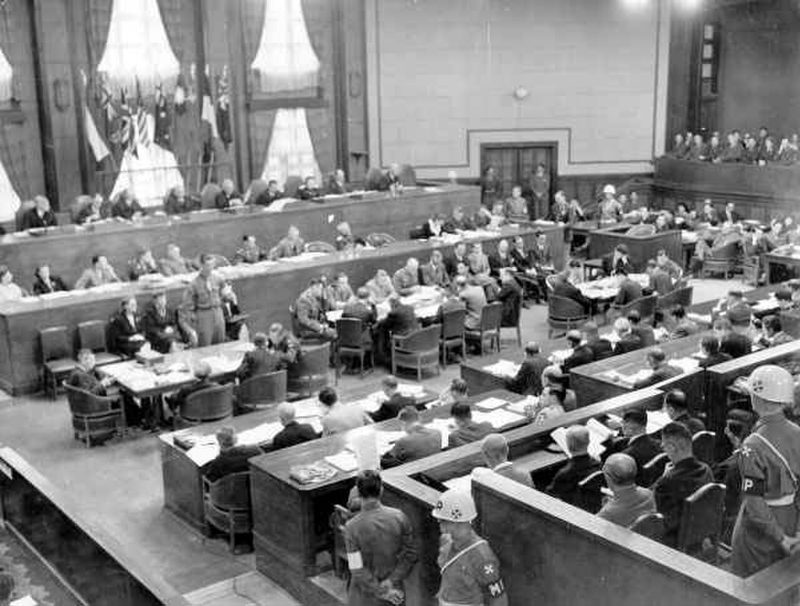
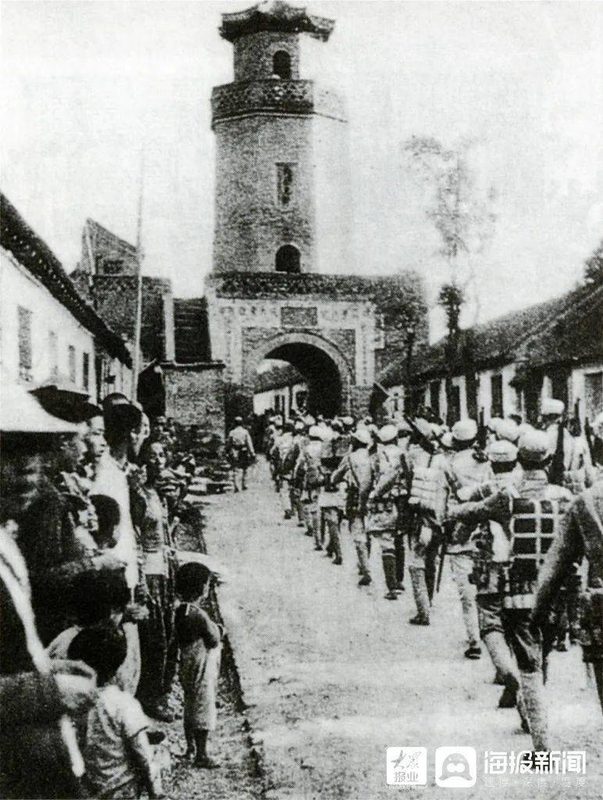
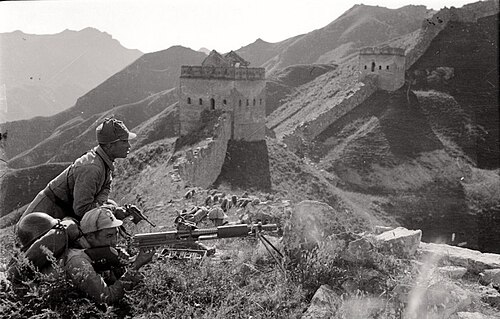
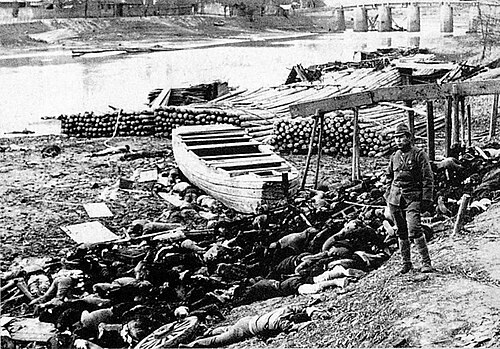
From 1944 to early 1945, news from the world anti-fascist front was a stream of victories, and Germany's defeat in Europe was assured. Germany surrendered unconditionally in May 1945. On 26 July China, the United States and Britain issued the Potsdam Proclamation urging Japan's unconditional surrender and reaffirming that the Cairo Declaration must be carried out, requiring Japan to return the Chinese territories it had stolen, including the Northeast, Taiwan and the Penghu Islands. On 6 and 9 August the United States dropped atomic bombs on Hiroshima and Nagasaki. On 8 August the Soviet Union declared war on Japan and sent troops into northeast China. Under heavy blows from the Chinese people and anti-fascist forces worldwide, the Japanese emperor announced unconditional surrender on 15 August 1945. On 2 September Japanese representatives signed the instrument of surrender aboard the US battleship Missouri in Tokyo Bay. On 9 September the surrender ceremony for the China Theater was held in Nanjing, where Okamura Yasuji, commander-in-chief of Japanese forces in China, handed the instrument of surrender to He Yingqin, commander-in-chief of the Chinese Army. On 25 October the ceremony for Taiwan was held in Taipei, and Taiwan and the Penghu Islands, occupied by Japan for fifty years, returned to China. The Chinese people's War of Resistance was the first war of national liberation in modern times in which China completely defeated a foreign invader, and the Chinese theater was the main Eastern theater of the world anti-fascist war. In fourteen years of resistance, Chinese military and civilian casualties exceeded 35 million, an enormous national sacrifice. After the victory, China became a founding member of the United Nations and one of the permanent members of the Security Council. In 2014 the Standing Committee of the National People's Congress designated 3 September as Victory Day of the Chinese People's War of Resistance Against Japan.
References
Text and images from Wikipedia are used under CC BY-SA and their respective licenses