Republic of ChinaAD 1912–1949
Start of the Long March and Xiang River Battle
October 1934
After the failure of the Fifth Encirclement Campaign the Central Red Army began the Long March in October 1934; at the Battle of the Xiang River it suffered heavy losses, falling to just over 30,000.
View on the timeline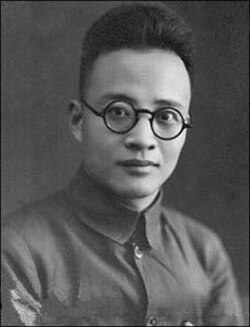
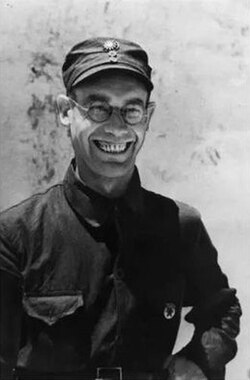
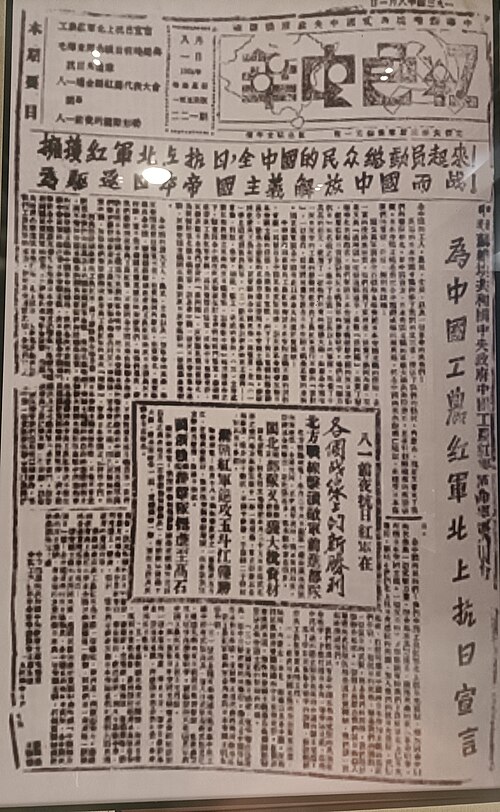
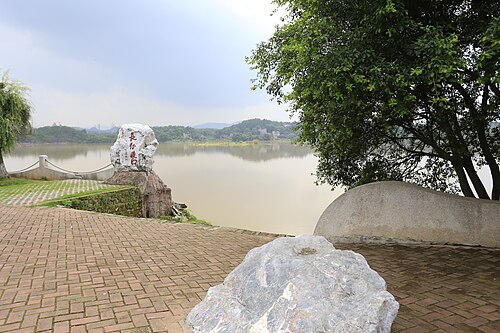
The growth of the Red Army and its bases alarmed the Kuomintang. From October 1930 it launched four large-scale military “encirclement and suppression” campaigns against the Central Revolutionary Base, all defeated by the Red Army. In September 1933 Chiang Kai-shek assembled a million troops for a fifth campaign against all the revolutionary bases, sending 500,000 against the Central Base and using “blockhouse” tactics. By then the Party's Provisional Central Committee, headed by Bo Gu, had moved from Shanghai into the Central Base, and Otto Braun (Li De), the Comintern military adviser, held command of the Red Army. They followed a “Left” adventurist military line, fighting a war of attrition against a well-equipped enemy, and the Red Army suffered severe losses; the fifth campaign was lost. In October 1934 the Central Committee and the main force of the Central Red Army, over 86,000 men, were forced to leave the Central Base from Ruijin, Yudu and other places on a strategic transfer, the Long March. Because the “Left” leaders also committed errors of flight in the transfer, after breaking through three Kuomintang blockade lines the army fought a bloody battle with the enemy at the Xiang River around Quanzhou and Xing'an, Guangxi, from late November to early December 1934. It was the most harrowing battle of the Long March: the Red Army crossed the Xiang in the end, but at a terrible price. The Central Red Army fell from over 80,000 at the start to a little over 30,000, and the 34th Division was almost wiped out; its commander Chen Shuxiang, wounded and captured, died by tearing out his own intestines. The heavy losses at the Xiang River brought the commanders' and soldiers' dissatisfaction with the “Left” leadership to a peak.
References
Text and images from Wikipedia are used under CC BY-SA and their respective licenses