QingAD 1644–1912
The Hundred Days’ Reform
11 June–21 September 1898
In 1898 the Guangxu Emperor decreed a program of reform; after 103 days Empress Dowager Cixi staged a coup in September, the Six Gentlemen were executed, and the reform ended.
View on the timeline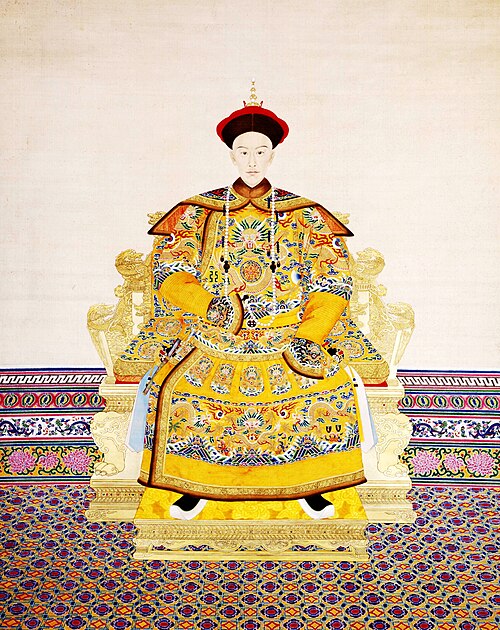
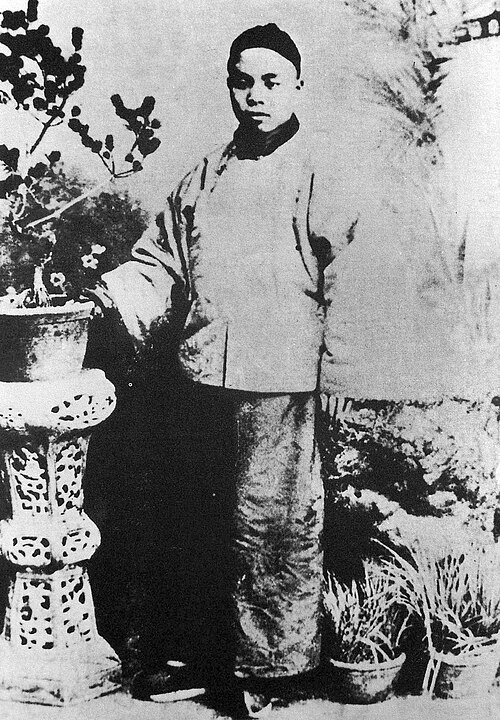
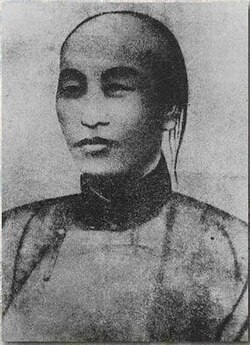
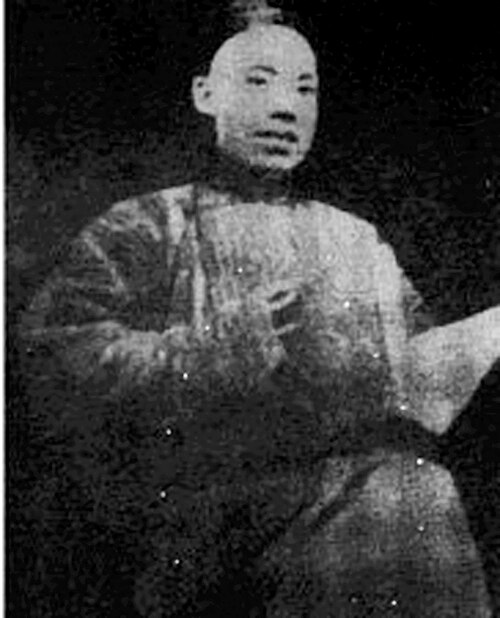
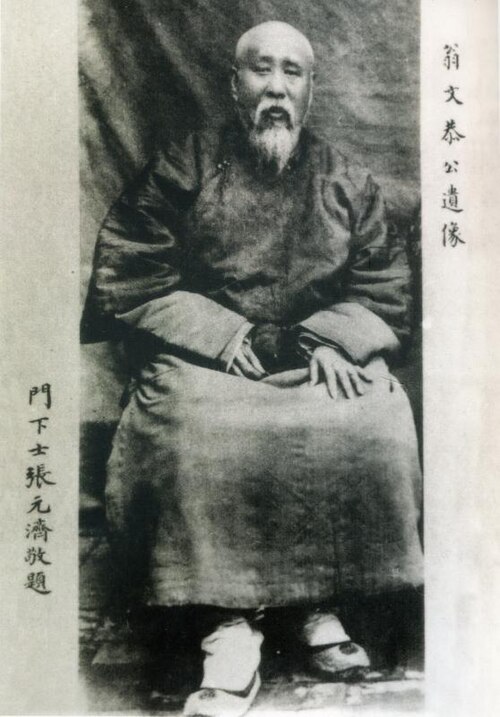
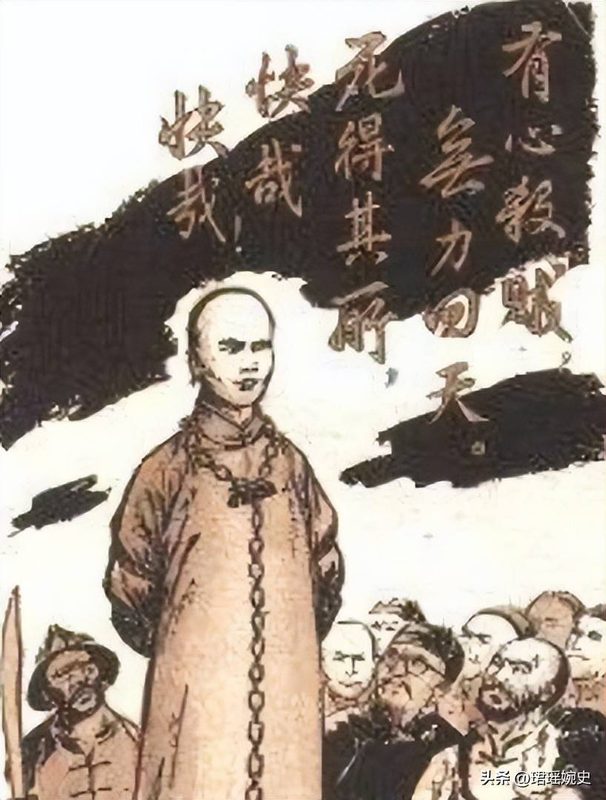
In winter 1897 Germany seized Jiaozhou Bay. Kang Youwei again petitioned the Guangxu Emperor to reform and save the nation. In spring 1898 Kang and others founded the Society to Protect the Nation in Beijing. Prompted by the reformers, the emperor said he was “unwilling to be a ruler who loses his country” and resolved to reform. On 11 June 1898 he issued the “Edict Defining the National Policy,” announcing reform. Over the next 103 days he issued a series of reform edicts: politically, cutting redundant posts and allowing officials and commoners to submit memorials; economically, setting up bureaus for agriculture, industry and commerce and for railways and mining, building railways and opening mines; militarily, cutting old-style forces and training troops by Western methods; and in culture and education, abolishing the eight-legged essay in favor of policy essays, founding new schools and the Imperial University of Peking. The emperor also appointed Tan Sitong, Yang Rui, Lin Xu and Liu Guangdi as Grand Council secretaries to take part in the reforms. The measures harmed the interests of the conservatives led by Empress Dowager Cixi, who strongly opposed them. On 21 September Cixi staged a coup, confined the emperor and ordered the arrest of the reformers; Kang Youwei and Liang Qichao fled to Japan. Tan Sitong refused to flee, saying “every country’s reform has been won with blood… if so, let it begin with me.” On 28 September Tan Sitong, Kang Guangren, Lin Xu, Yang Shenxiu, Yang Rui and Liu Guangdi were executed at Caishikou in Beijing, known as the “Six Gentlemen of 1898.” The reform was a bourgeois reformist movement that enlightened society, but its failure showed that in semi-colonial, semi-feudal China a top-down path of reform could not succeed.
References
Text and images from Wikipedia are used under CC BY-SA and their respective licenses