QingAD 1644–1912
Compiling the Kangxi Dictionary and the Siku Quanshu
Kangxi to Qianlong era
From the Kangxi to Qianlong reigns, the Kangxi Dictionary with over 40,000 characters, the 10,000-volume Gujin Tushu Jicheng and the Siku Quanshu, China’s largest ancient collection, were compiled.
View on the timeline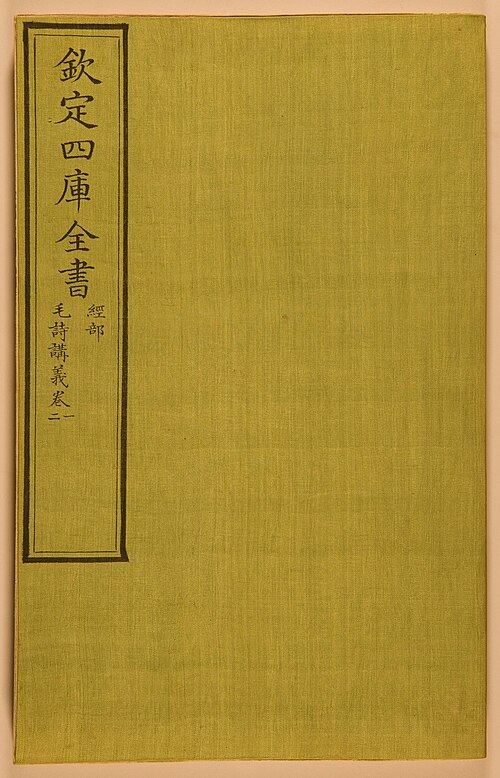
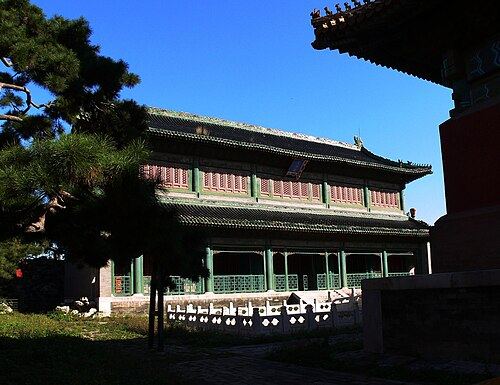
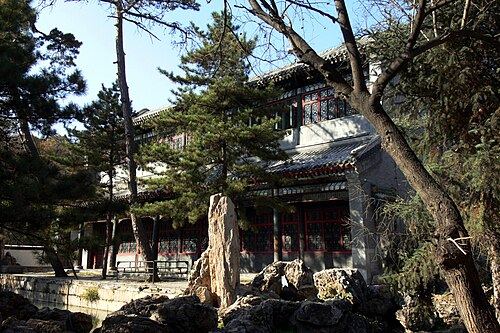
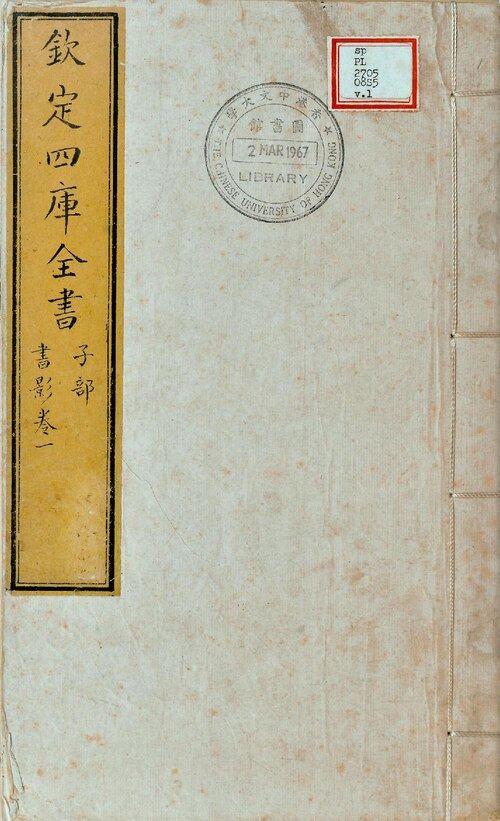
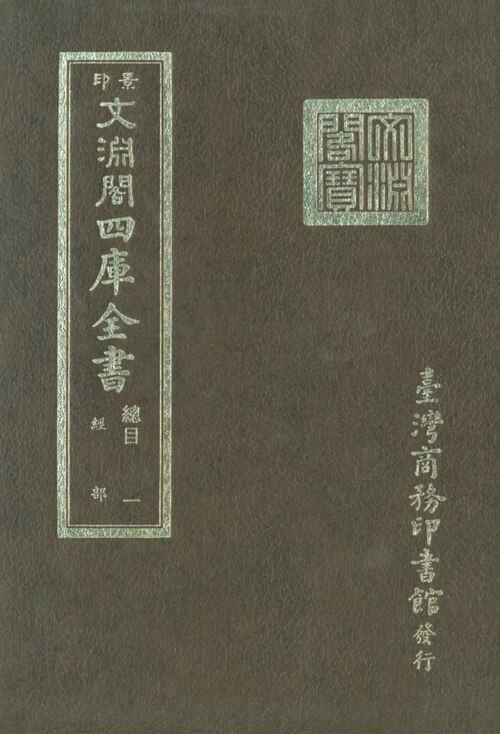
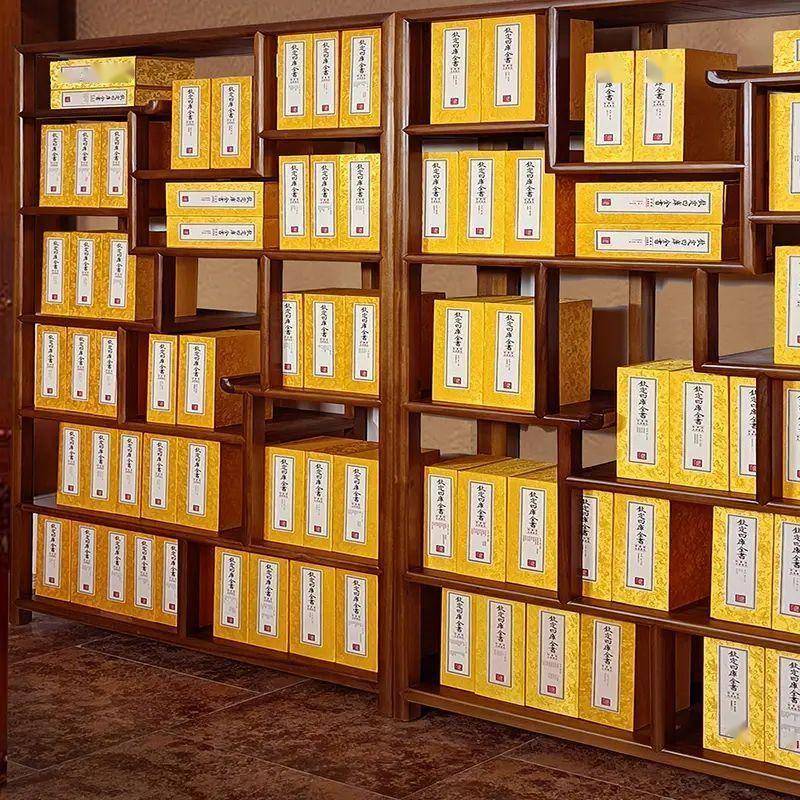
In the early Qing, the rulers placed great importance on collecting classics and compiling books. From the Kangxi to Qianlong reigns, many large works were produced, wide in scope and surpassing earlier dynasties in scale. Under Kangxi, Zhang Yushu, Chen Tingjing and others compiled the Kangxi Dictionary, completed in 1716; it contains over 47,000 characters under 214 radicals and greatly influenced later dictionaries. The Gujin Tushu Jicheng (Complete Collection of Illustrations and Writings from the Earliest to Current Times), compiled by Chen Menglei under Kangxi and revised by Jiang Tingxi under Yongzheng, has 10,000 juan and about 160 million characters, in 6 sections and 32 divisions covering astronomy, geography, human relations, natural history, philosophy and economics; it is the largest surviving Chinese leishu (encyclopedic compendium). In 1773 the Qianlong Emperor ordered a Siku Quanshu office set up, with Ji Yun and others as chief compilers, who led over 300 scholars for about ten years to complete the first Siku Quanshu (Complete Library of the Four Treasuries) in 1782. Arranged in the four divisions of classics, history, philosophy and literature, it includes over 3,400 titles in more than 79,000 juan, about 800 million characters, and preserved a vast body of ancient literature. Seven sets were copied and kept at Wenyuan Pavilion in the Forbidden City, Wenyuan at the Yuanmingyuan, Wensu in Shenyang, Wenjin in Chengde, Wenhui in Yangzhou, Wenzong in Zhenjiang and Wenlan in Hangzhou; the sets at the Yuanmingyuan, Yangzhou and Zhenjiang were destroyed in war. During the compilation, however, the Qing banned, destroyed and altered books deemed harmful to its rule on a large scale, severely damaging many precious works.
References
Text and images from Wikipedia are used under CC BY-SA and their respective licenses