QingAD 1644–1912
Li Zicheng Takes Beijing; the Ming Falls and the Qing Enters the Pass
1644 · Ming → Qing
In 1644 Li Zicheng founded the Shun and took Beijing, the Chongzhen Emperor hanged himself and the Ming fell; Wu Sangui let the Qing in, and the Qing made Beijing its capital.
View on the timeline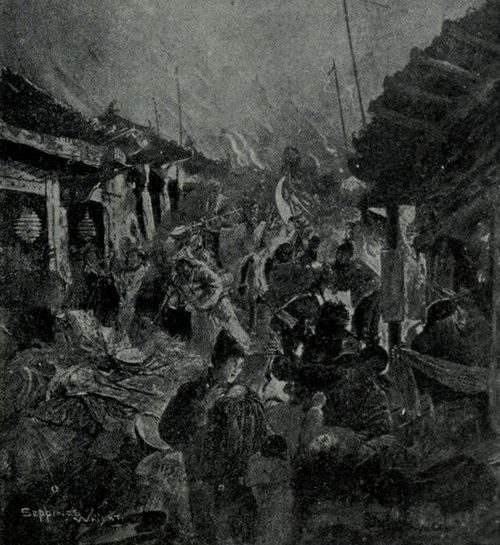
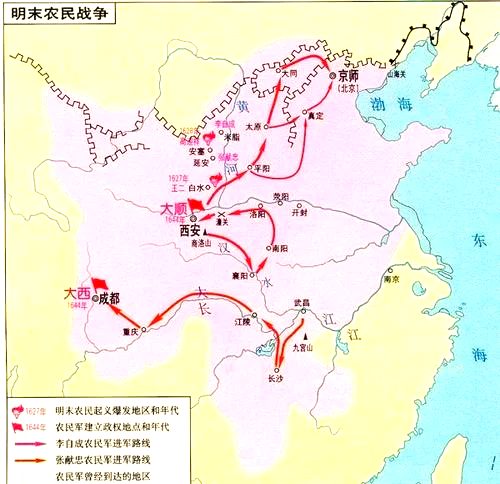
In the late Ming, political corruption grew worse and the state's finances were in deep crisis; besides regular taxes the court levied the "Liaodong levy", "bandit-suppression levy" and "training levy", together the "Three Levies", which the people could not bear. In northern Shaanxi years of severe drought left famished people everywhere while officials pressed on with collections, and peasants in northern Shaanxi rose in revolt. Li Zicheng (1606–1645), from Mizhi, Shaanxi, of peasant origin, worked as a post-station clerk and then joined the rebels; for his bravery he was called the "Dashing General" and later became a rebel leader, known as the "Dashing King". In 1641 Li took Luoyang and killed Zhu Changxun, Prince of Fu, putting forward the slogan "equalize land, exempt taxes", which won enthusiastic support from the peasantry, and his force grew to a million. In early 1644 Li established a regime at Xi'an with the state name Shun and promptly marched east to Beijing. In April 1644 the rebels entered Beijing and the Chongzhen Emperor hanged himself on Coal Hill (now Jingshan), ending the Ming dynasty after 276 years. The Ming general Wu Sangui, guarding Shanhaiguan, surrendered to the Qing and let the Qing army through the pass. Li fought Wu and the Qing army at Shanhaiguan, was defeated, returned to Beijing, hurriedly proclaimed himself emperor and then withdrew west, and was killed the next year at Jiugong Mountain in Tongshan, Hubei. That year the Qing Shunzhi Emperor moved the capital from Shenyang to Beijing and began his rule over the country. Qing forces then marched south and destroyed the Southern Ming regimes and anti-Qing forces elsewhere, gradually unifying the country.
References
Text and images from Wikipedia are used under CC BY-SA and their respective licenses