QingAD 1644–1912
Investiture of the Dalai Lama and Panchen Erdeni
1653, 1713
In 1653 the Shunzhi Emperor invested the Fifth Dalai Lama and in 1713 the Kangxi Emperor the Fifth Panchen Lama; later Dalai and Panchen Lamas needed central investiture.
View on the timeline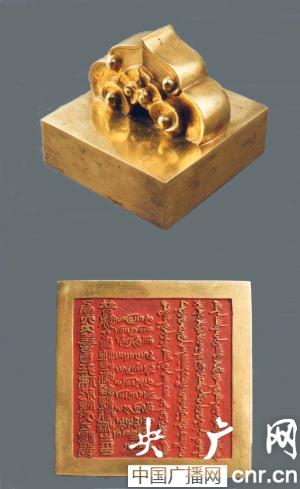
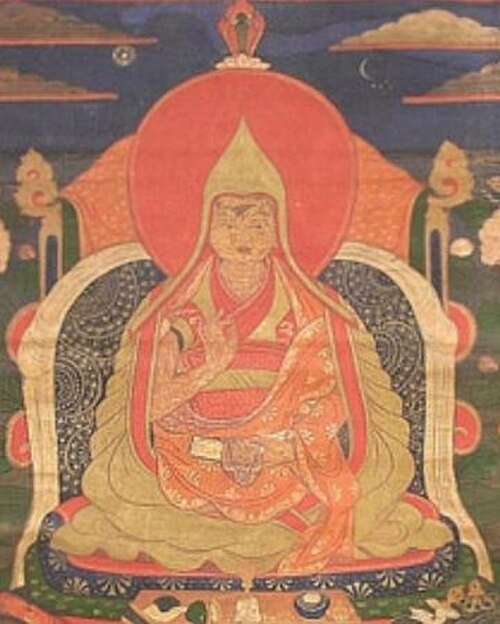
The Gelug school of Tibetan Buddhism was founded by Tsongkhapa in the early Ming, and the Dalai Lama and Panchen Lama are its two great lines of reincarnated lamas. After entering the pass, the Qing paid great attention to the administration of Tibet. In 1652 the Fifth Dalai Lama, Ngawang Lobsang Gyatso, came at the invitation of the Shunzhi Emperor to Beijing with three thousand attendants; the emperor received him grandly and had the Xihuang Temple built as his residence. In 1653, as the Fifth Dalai Lama was returning to Tibet, the Shunzhi Emperor sent a gold certificate and gold seal formally investing him as the "Dalai Lama, Vajradhara, Great Good Self-Existent Buddha of the Western Heaven, in charge of Buddhism under Heaven". In the late 17th and early 18th centuries Tibet was unsettled, and Dzungar Mongol forces troubled it. In 1713 the Kangxi Emperor invested the Fifth Panchen Lama, Lobsang Yeshe, as "Panchen Erdeni" and gave him a gold certificate and seal; "erdeni" is Manchu for "treasure". In 1720 Qing troops entered Tibet and drove out the Dzungars, stabilizing the situation. Thereafter investiture by the central government became the established rule for every Dalai Lama and Panchen Erdeni. In 1727 the Qing established Imperial Residents in Tibet to oversee local administration on the center's behalf. In 1793 the Qianlong Emperor promulgated the Twenty-Nine Article Ordinance, requiring that the reincarnations of great lamas such as the Dalai and Panchen Lamas be determined by the "golden urn" lot-drawing system, overseen by the Imperial Resident and reported to the central government for approval. These measures strengthened the central government's administration of Tibet.
References
Text and images from Wikipedia are used under CC BY-SA and their respective licenses