Western Han202 BC–AD 8
Chu–Han Contention and Founding of the Western Han
206–202 BC · Qin → Western Han
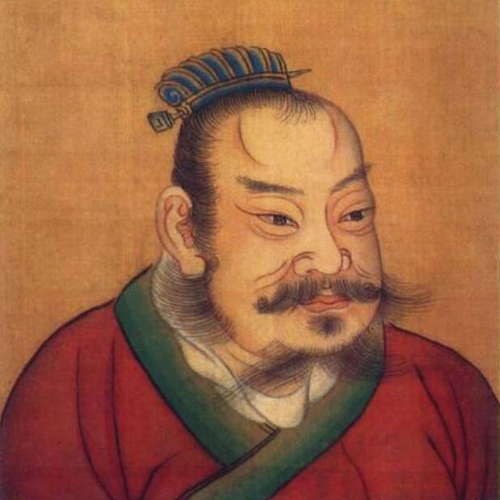
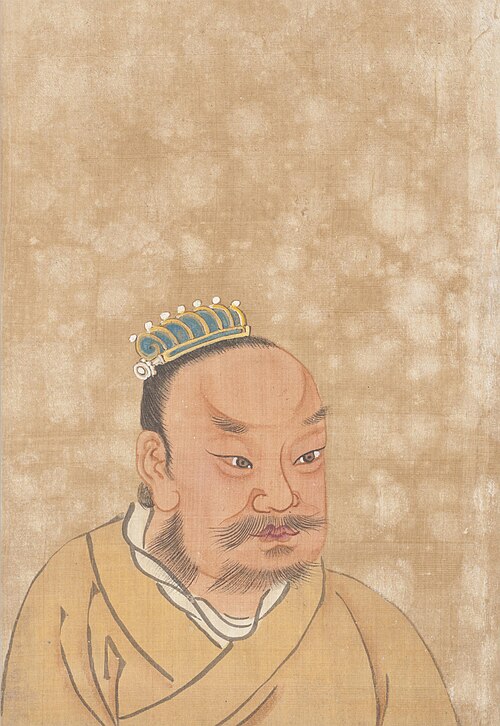
After Qin fell, Xiang Yu and Liu Bang fought the four-year Chu–Han contention; Liu Bang, good at using talent and winning hearts, defeated Xiang Yu at Gaixia and founded the Western Han in 202 BC.
View on the timeline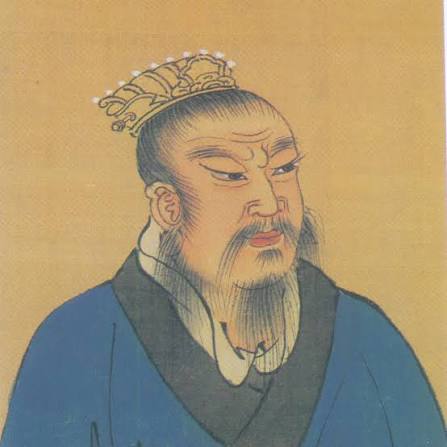
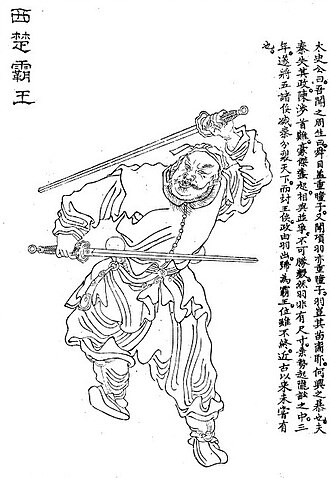
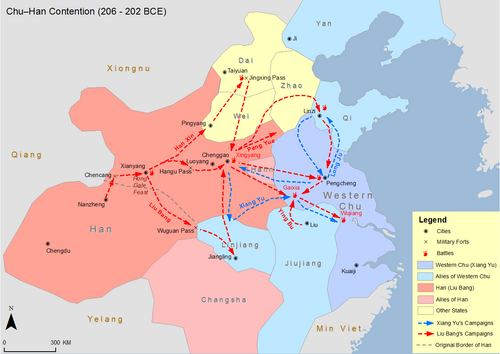
After Qin's fall, Xiang Yu, with a large army, entered the pass, killed King Ziying of Qin, burned the Xianyang palaces, declared himself Hegemon-King of Western Chu with his capital at Pengcheng, and enfeoffed eighteen kings, making Liu Bang King of Han over Ba, Shu and Hanzhong. Soon discontent arose everywhere over Xiang Yu's unfair enfeoffments, and Liu Bang took advantage, adopting Han Xin's plan to “openly repair the plank road while secretly crossing at Chencang,” retook Guanzhong and began the war for the realm with Xiang Yu, known as the “Chu–Han contention.” The war lasted about four years. Xiang Yu was brave and strong but willful and reliant on force, repeatedly massacring cities and unable to use talent; even his one adviser, Fan Zeng, left out of suspicion. Liu Bang, by contrast, won the people's hearts and knew how to use men: Xiao He held Guanzhong and supplied the rear, Zhang Liang made plans and Han Xin led the troops, and his side gradually grew from weak to strong. The two sides faced each other for a long time around Xingyang and Chenggao, then agreed to divide the realm at Honggou, the origin of the “Chu River and Han border” of chess. In 202 BC Liu Bang, joined by Han Xin, Peng Yue, Ying Bu and others, besieged Xiang Yu at Gaixia (southeast of present-day Lingbi, Anhui). At night Han troops sang Chu songs on all sides; Xiang Yu, thinking Chu had fallen entirely to Han, sang a sad farewell to his consort Yu and broke out with some 800 horsemen, finally killing himself at the Wu River. That year Liu Bang proclaimed himself emperor and founded the Han dynasty, later with its capital at Chang'an, known as the Western Han; Liu Bang was Emperor Gaozu of Han.
References
Text and images from Wikipedia are used under CC BY-SA and their respective licenses