Western Han202 BC–AD 8
Rest and Recovery and the Rule of Wen and Jing
180–141 BC
Early Western Han policy gave the people rest: Emperors Wen and Jing lowered taxes and labor, abolished mutilating punishments and promoted thrift, restoring the economy in the “Rule of Wen and Jing.”
View on the timeline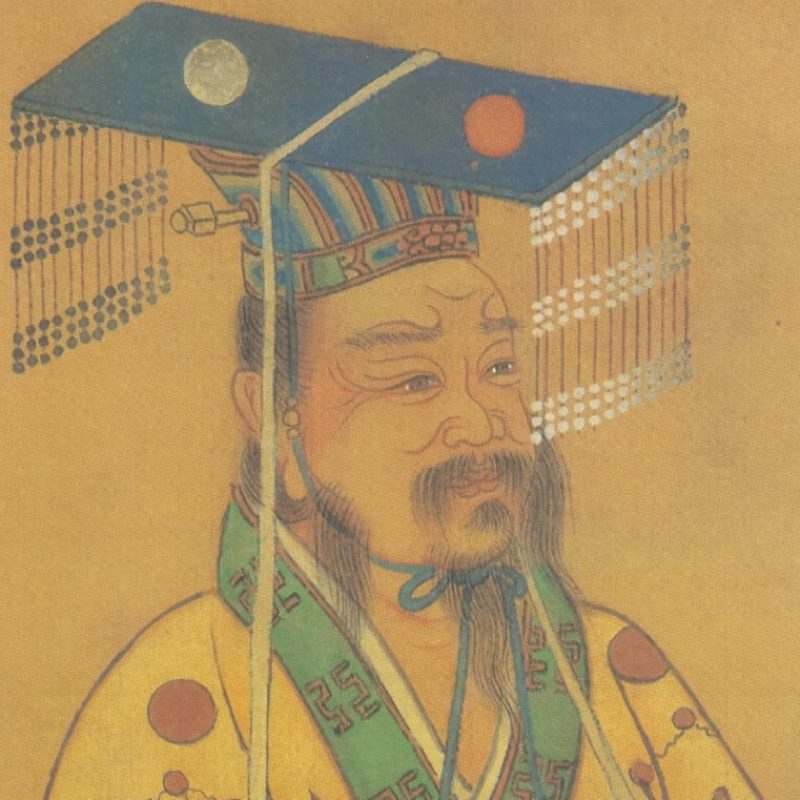
After the wars of the late Qin, the economy was badly damaged and the early Western Han landscape was ruined and desolate; population had fallen sharply, the emperor could not find four horses of the same color for his carriage, and some generals and ministers had to ride in ox carts. Emperor Gaozu of Han, Liu Bang, learning from the Qin's quick fall through tyranny, adopted a policy of rest and recovery: soldiers were demobilized to return home and farm, those who had become slaves through war and famine were freed as commoners, and refugees were encouraged to return home; taxes and labor were lightened, with the land tax set at “one fifteenth.” After Gaozu's death, Emperor Hui and Empress Dowager Lü continued the policy, governing by the Daoist Huang-Lao idea of “governing by non-action.” Under Emperors Wen and Jing, rulers paid more attention to agriculture, took farming as the foundation, repeatedly issued edicts urging farming and sericulture, and cut the land tax to “one thirtieth”; under Wen it was even waived for over ten years. They also reduced labor service so that adult men served once every three years. Stressing “transforming the people by virtue,” they abolished the crimes of slander and the law of collective punishment and mutilating punishments. Emperor Wen advocated thrift in governing; during his twenty-odd years on the throne, palaces, gardens, carriages and clothing were not added to, and when he wanted to build a terrace but heard it would cost the wealth of ten middle-class families, he gave it up.
References
Text and images from Wikipedia are used under CC BY-SA and their respective licenses