Qin221–207 BC
Meng Tian Strikes the Xiongnu; the Great Wall
After Qin unification
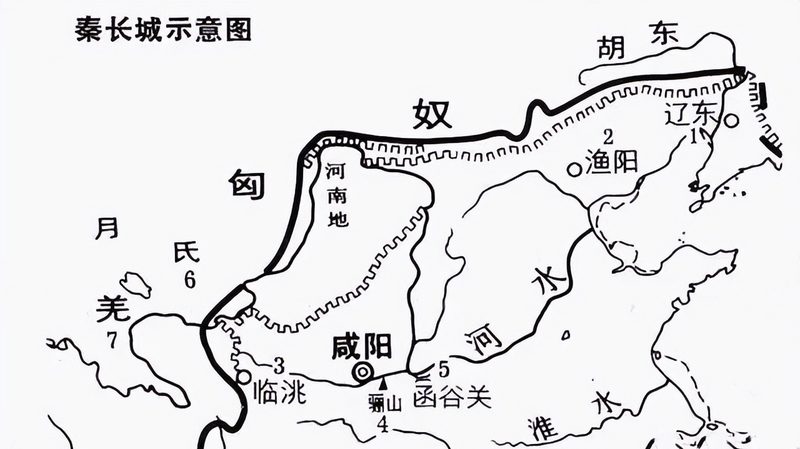
Qin Shi Huang sent Meng Tian to strike the Xiongnu and retake the Ordos, and joined and repaired the old Qin, Zhao and Yan walls into a Great Wall from Lintao in the west to Liaodong in the east.
View on the timeline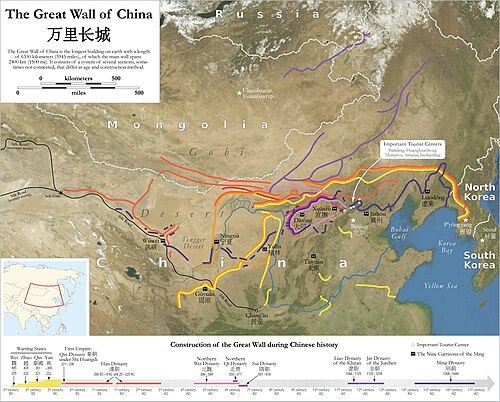
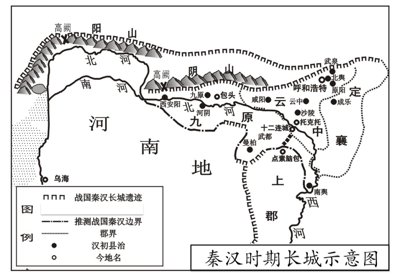
The Xiongnu were an old nomadic people of northern China who grew powerful in the Warring States and often raided to the south. After Qin unified China, the northern frontier still faced the Xiongnu threat. In 215 BC Qin Shi Huang sent the general Meng Tian with 300,000 troops to strike them, recovering the land south of the Ordos bend (the “Land South of the River”), setting up commanderies such as Jiuyuan and moving people from the interior there to farm and garrison. To strengthen northern defense, Qin Shi Huang ordered Meng Tian to join, repair and extend the old walls of Qin, Zhao and Yan into a Great Wall running from Lintao (present-day Min County, Gansu) in the west to Liaodong in the east, over ten thousand li long: the world-famous “Ten-Thousand-Li Great Wall.” The Qin wall mostly followed the terrain and was equipped with passes, beacon towers and forts, forming a complete defensive system. Building the wall was an enormous task that conscripted several hundred thousand laborers and brought heavy burdens on the people, and the folk tale of “Meng Jiangnü weeping at the Great Wall” reflects their suffering. Qin Shi Huang also had Meng Tian build the “Straight Road” from Yunyang near Xianyang directly to Jiuyuan, over 700 km long, for rapid troop movement. Meng Tian guarded the north for over ten years, and the Xiongnu dared not come south to graze their horses. After Qin Shi Huang died, Zhao Gao and Li Si forged an edict and forced Prince Fusu and Meng Tian to kill themselves. Later the Han, Northern Wei, Northern Qi, Ming and other dynasties all built walls, and the surviving Great Wall is mainly the Ming wall.
References
Text and images from Wikipedia are used under CC BY-SA and their respective licenses