Neolithicc. 10,000 years ago–2070 BC
Banpo Site (Yangshao Culture)
c. 6,000 years ago
The Banpo site in Xi'an, c. 6,000 years old, belongs to the Yangshao culture: its people lived in semi-subterranean houses, grew millet, raised animals and made fine painted pottery.
View on the timeline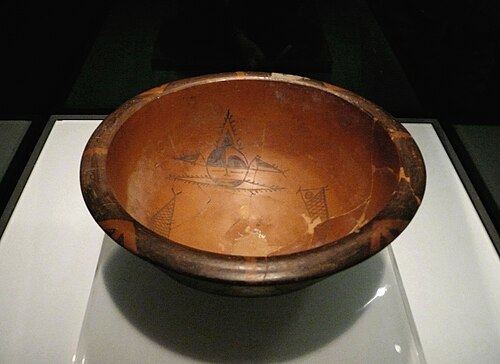
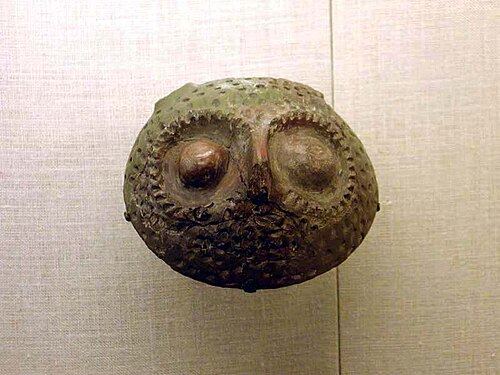
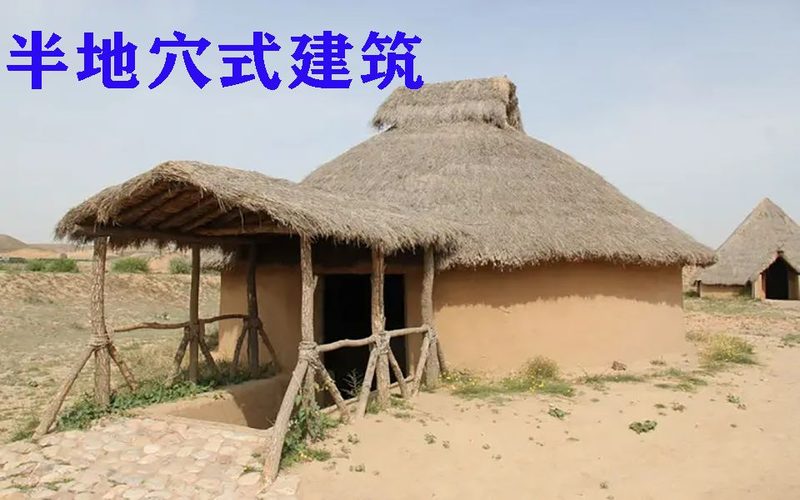
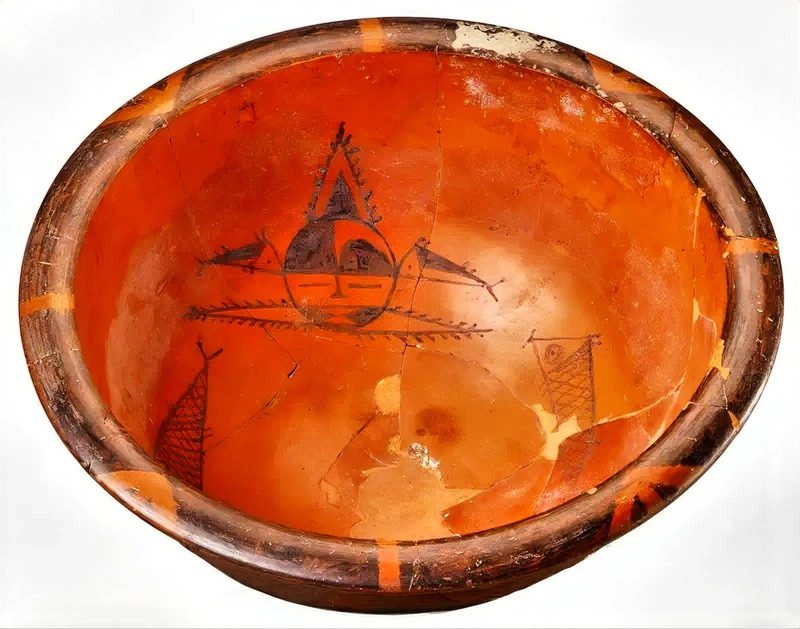
The Banpo site lies in Banpo village on the east bank of the Chan River in the eastern suburbs of Xi'an, Shaanxi. Discovered in 1953 and extensively excavated in 1954–1957, it is a representative settlement of the Yangshao culture of the Yellow River basin, about 6,000 years old. The Yangshao culture is named after Yangshao village in Mianchi, Henan, where it was first found in 1921, and is spread across the middle Yellow River. The layout of the Banpo settlement is clear: in the center is the residential area with houses, storage pits and a large house, surrounded by a moat five or six meters deep and wide; north of the moat is the communal cemetery and to the east are the pottery kilns. Houses were mostly round or square semi-subterranean buildings with wooden posts supporting the roof and a hearth pit inside. Banpo people cleared land with polished stone and bone tools, grew mainly millet, raised pigs, dogs and other animals, hunted and fished with bows, harpoons and nets, and gathered wild fruit as a supplement. Their everyday utensils were mostly pottery, the most distinctive being painted pottery, mainly black designs on a red ground, with geometric patterns and animal motifs such as fish and deer; the most famous piece is the painted bowl with human face and fish design. Some pots carry incised signs that some scholars link to the origin of writing. Bone needles, spindle whorls and clay ocarinas show they could spin, weave and sew clothes. A Banpo Museum, the first prehistoric site museum in China, now stands at the site.
References
Text and images from Wikipedia are used under CC BY-SA and their respective licenses