People's Republic of China1949–present
Tu Youyou Discovers Artemisinin
Early 1970s
In the early 1970s Tu Youyou’s team, inspired by an ancient medical text, extracted the antimalarial artemisinin from sweet wormwood, saving millions of lives; she won a Nobel Prize in 2015.
View on the timeline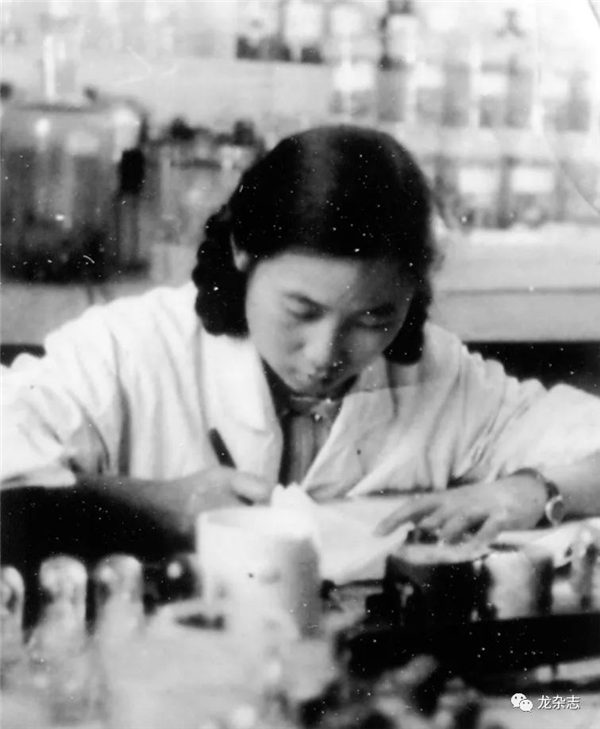
Malaria is an infectious disease caused by Plasmodium parasites and spread by mosquitoes. In the 1960s the parasites developed resistance to quinine-type drugs, and many countries mobilized researchers to find new antimalarials. In 1967 China launched a national antimalarial research project code-named “523.” In 1969 Tu Youyou of the Institute of Chinese Materia Medica at the Academy of Traditional Chinese Medicine became head of a research group and began studying antimalarial herbal remedies. She and her team systematically went through medical texts of past dynasties and collected more than 2,000 prescriptions. Extracts of sweet wormwood (qinghao) showed some antimalarial effect, but inconsistently. Tu drew inspiration from a line in A Handbook of Prescriptions for Emergencies (Zhouhou Beiji Fang) by Ge Hong of the Eastern Jin: “Take a handful of qinghao, soak it in two sheng of water, wring out the juice and drink it all.” She therefore switched to extraction with ether, which has a lower boiling point. In October 1971 the neutral ether extract of qinghao achieved a 100 percent inhibition rate against malaria in mice and monkeys. In 1972 the group isolated the active compound and named it qinghaosu (artemisinin). Artemisinin and its derivatives are highly effective, fast-acting and of low toxicity against falciparum malaria and other forms, and artemisinin-based combination therapies are recommended by the World Health Organization as the first-line treatment, saving millions of lives worldwide, especially in Africa. In 2015 Tu won the Nobel Prize in Physiology or Medicine, becoming the first China-based scientist to win a Nobel science prize. The discovery was a major contribution of traditional Chinese medicine to human health.
References
Text and images from Wikipedia are used under CC BY-SA and their respective licenses