People's Republic of China1949–present
First Five-Year Plan
1953–1957
China's First Five-Year Plan (1953–1957) concentrated on heavy industry; plants such as the First Automobile Works in Changchun laid the first foundations of industrialization.
View on the timeline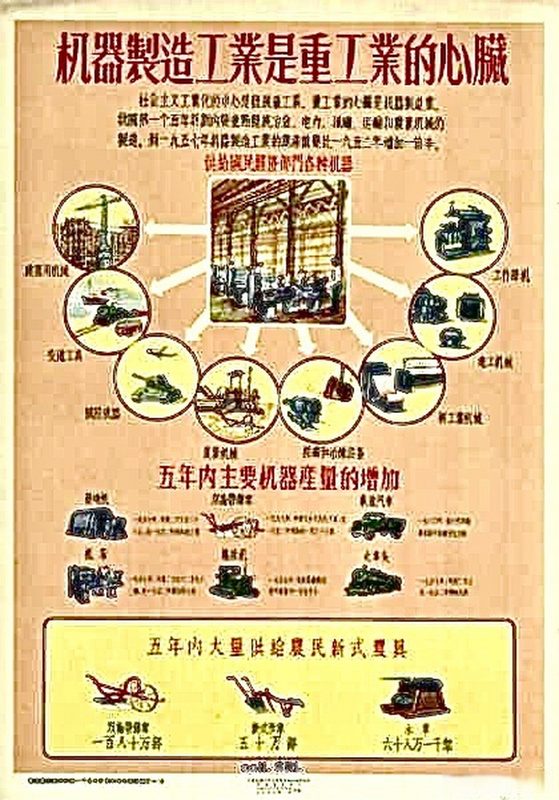
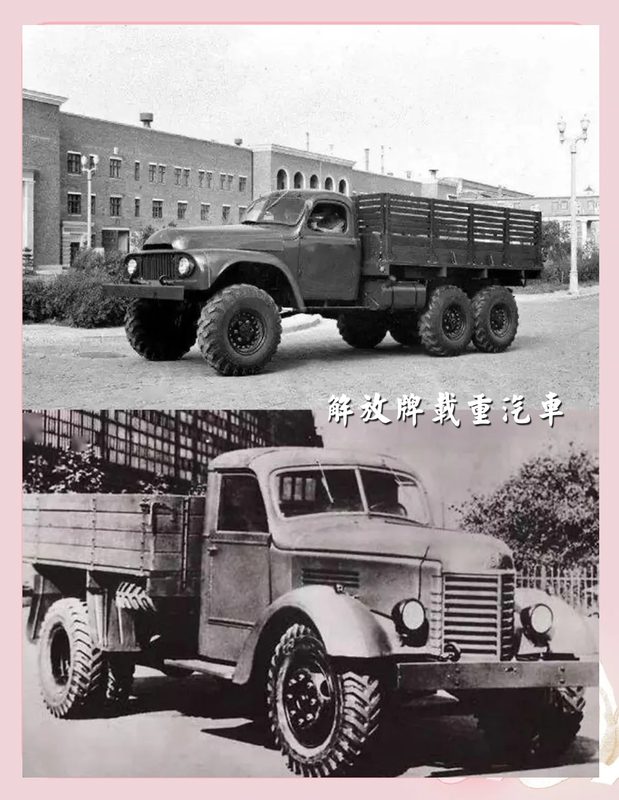
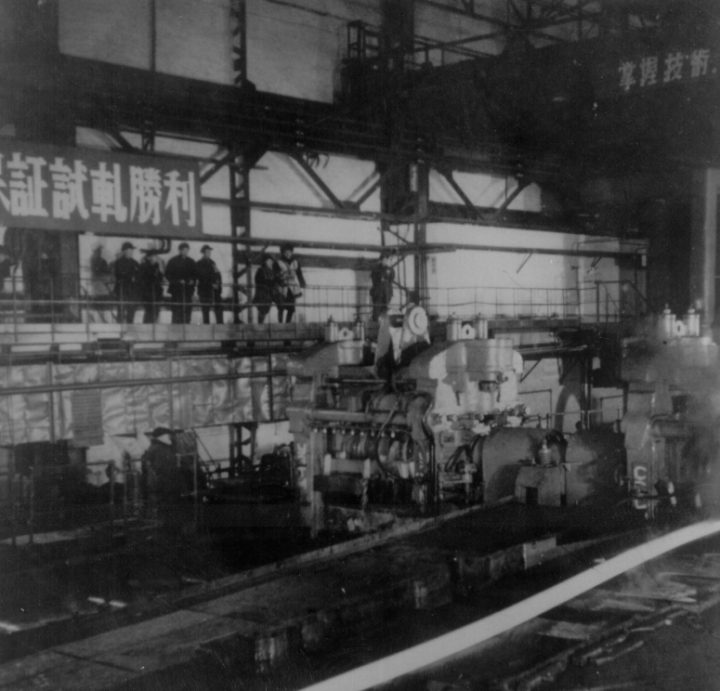
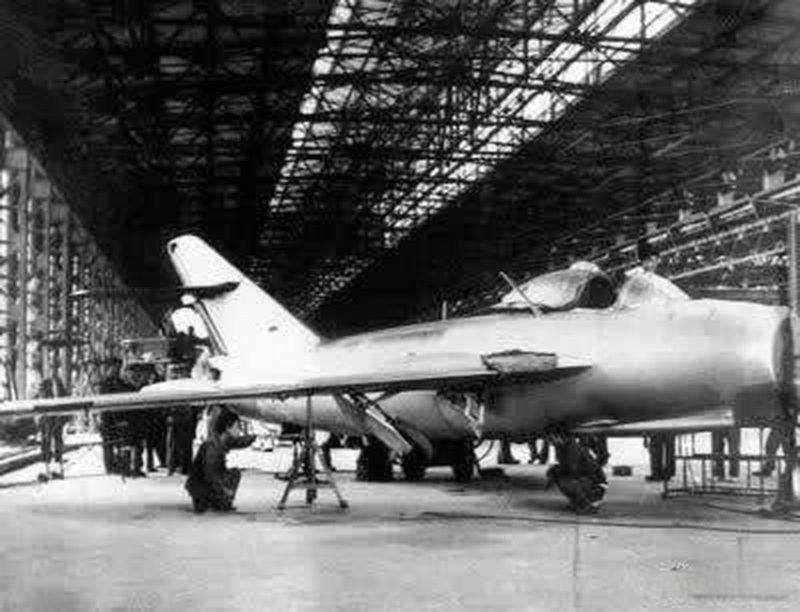
New China began construction on a very backward economic base. Mao Zedong once said: "What can we make now? We can make tables and chairs, teacups and teapots... but we cannot make a single car, airplane, tank or tractor." After three years of economic recovery, the national economy was fully restored by the end of 1952. To change China's industrial backwardness and turn a backward agrarian country into an advanced industrial one, China began its first Five-Year Plan for the national economy in 1953. Its basic task was to concentrate main forces on industrial construction centered on 156 projects designed with Soviet help, within a total of 694 large and medium-sized projects, and to lay a preliminary foundation for socialist industrialization. Through the efforts of the whole people, by the end of 1957 most targets of the plan had been exceeded by wide margins. Large rolling mills and seamless steel tube plants at the Anshan Iron and Steel Company went into production; the First Automobile Works in Changchun produced New China's first domestic Jiefang (Liberation) truck; the Shenyang aircraft factory successfully trial-produced New China's first jet aircraft; and the First Tractor Plant in Luoyang and others began construction. The Wuhan Yangtze River Bridge opened, and the Kang-Tibet, Qinghai-Tibet and Xinjiang-Tibet highways opened to traffic. China established a number of basic industries it had never had before. The plan's successful completion began to change China's industrial backwardness, laid a first foundation for socialist industrialization, and noticeably raised living standards.
References
Text and images from Wikipedia are used under CC BY-SA and their respective licenses