People's Republic of China1949–present
First Plenary Session of the CPPCC
September 1949
In September 1949 the first plenary session of the CPPCC adopted the Common Program as an interim constitution, elected the Central People's Government and chose the flag, anthem and capital.
View on the timeline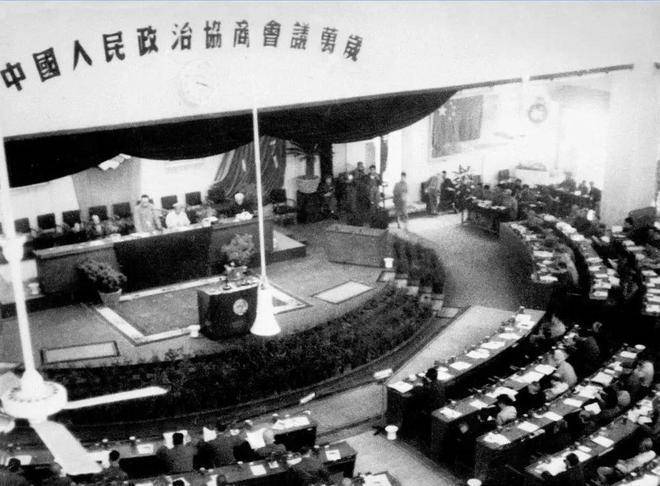
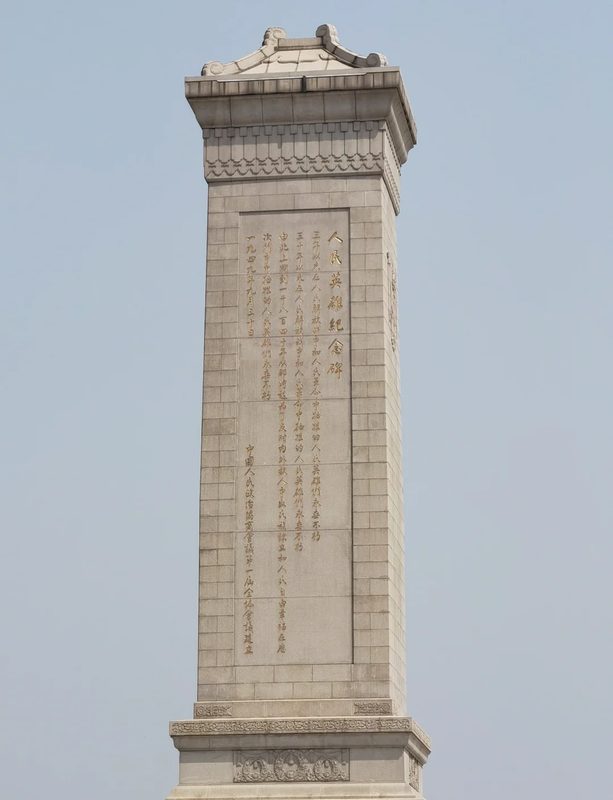
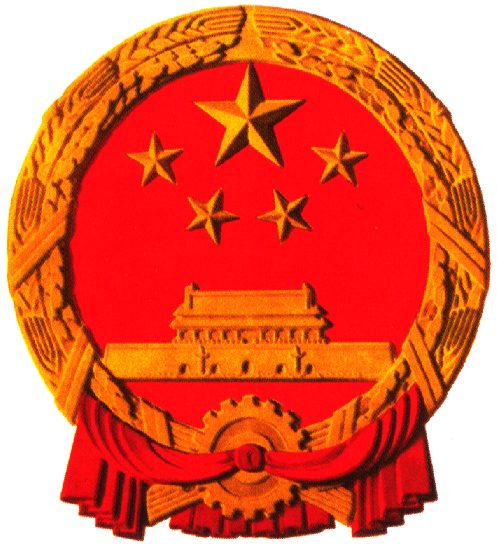
On 30 April 1948 the Party Central Committee issued its May Day slogans, calling on the democratic parties, people's organizations and public figures to convene a political consultative conference quickly and form a democratic coalition government, which drew an enthusiastic response. A large number of democrats then broke through the Kuomintang blockade and reached the liberated areas in succession to discuss the founding of the state. In June 1949 the preparatory committee for the new Political Consultative Conference met in Beiping. From 21 to 30 September 1949 the First Plenary Session of the Chinese People's Political Consultative Conference was held in grand fashion in Beiping, attended by over 600 delegates from all sectors. The session exercised the powers of the National People's Congress and adopted the Common Program of the CPPCC, which served as a provisional constitution and provided that New China would practice a people's democratic dictatorship led by the working class, based on the alliance of workers and peasants, and uniting all democratic classes and all ethnic groups. It also adopted the Organic Law of the Central People's Government of the People's Republic of China and elected Mao Zedong chairman of the Central People's Government, with Zhu De, Liu Shaoqi, Soong Ching-ling, Li Jishen, Zhang Lan and Gao Gang as vice chairmen. The session decided that the capital of the People's Republic of China would be Beiping, renamed Beijing; that the Five-Star Red Flag would be the national flag; that until a national anthem was formally adopted, March of the Volunteers would serve as the anthem; and that the Common Era calendar would be used. It also decided to build the Monument to the People's Heroes in Tiananmen Square, and all delegates laid its foundation stone. The session marked the formal establishment of the system of multiparty cooperation and political consultation under Communist Party leadership and made full preparations for the birth of New China.

References
Text and images from Wikipedia are used under CC BY-SA and their respective licenses