Republic of ChinaAD 1912–1949
Yan'an Forum on Literature and Art
1942
At the Yan'an Forum on Literature and Art in May 1942, Mao Zedong declared that art should serve the people, above all workers, peasants and soldiers, and art in the liberated areas flourished.
View on the timeline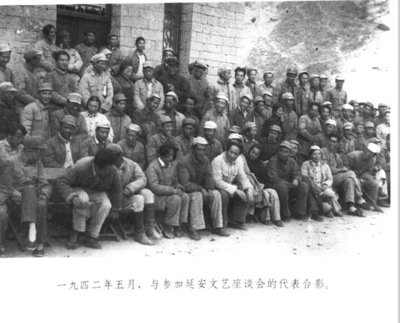
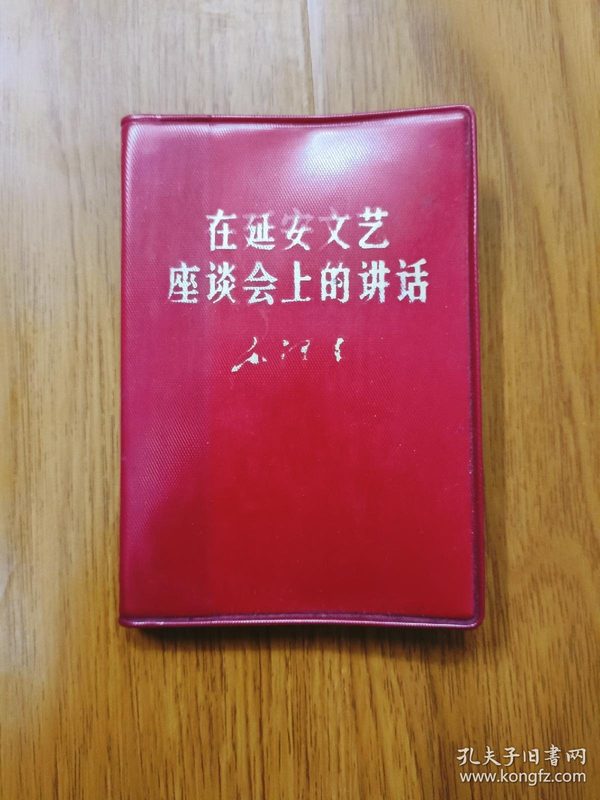
During the War of Resistance, large numbers of progressive writers and artists came to Yan'an and other base areas from Kuomintang-ruled and occupied regions, boosting literature and art in the liberated areas. But the field also had problems, and some writers and artists were distant from the workers, peasants and soldiers. In 1942, in connection with the Yan'an Rectification Movement, the Party Central Committee held the Yan'an Forum on Literature and Art. From 2 to 23 May Mao Zedong gave an introduction and a conclusion at the forum, published as Talks at the Yan'an Forum on Literature and Art. The talks held that literature and art must serve the people, first of all workers, peasants and soldiers, a fundamental question of principle, and that writers and artists must go deep among them. After the talks, artists in the liberated areas went to villages, factories and army units and produced many fine works about the people's life and struggles. The new opera The White-Haired Girl, written by He Jingzhi and Ding Yi, expressed through Xi'er's tragic fate the theme that "the old society turned men into ghosts, the new society turns ghosts into men." Zhao Shuli's novels Little Erhei's Marriage and Rhymes of Li Youcai, Ding Ling's The Sun Shines over the Sanggan River, and Li Ji's long poem Wang Gui and Li Xiangxiang are representative works of the period. A new yangge movement also flourished, and yangge operas such as Brother and Sister Reclaim the Wasteland were loved by the public. The talks set the Communist Party's policy on literature and art, spurred the flourishing of art in the liberated areas, and had a profound influence on modern Chinese literature and art.
References
Text and images from Wikipedia are used under CC BY-SA and their respective licenses