Republic of ChinaAD 1912–1949
Second United Front Established
July–September 1937
After the Marco Polo Bridge Incident the Red Army was reorganized as the Eighth Route Army and New Fourth Army, and in September 1937 the Anti-Japanese National United Front was formally established.
View on the timeline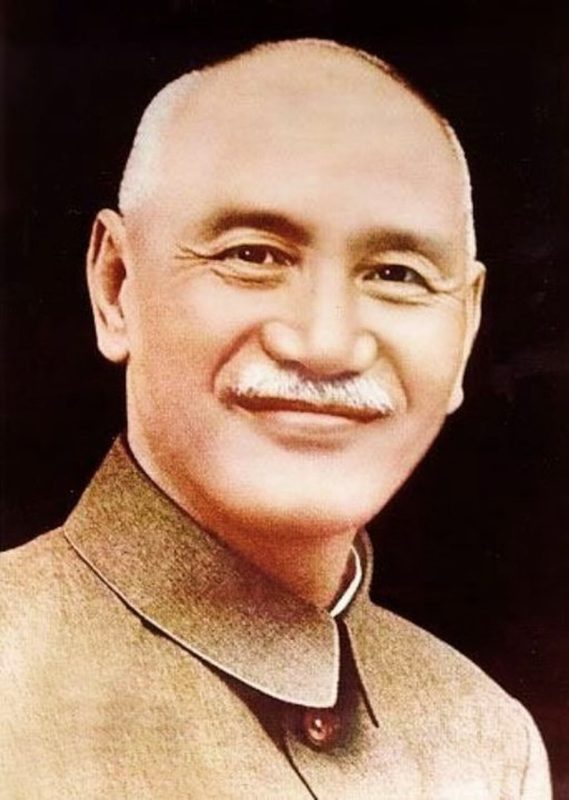
After the Xi'an Incident was settled peacefully the two parties began talks on cooperating against Japan. After the Marco Polo Bridge Incident, with the nation in a crisis of survival, each issued statements protesting Japanese aggression and stating its resistance stand, and the pace of cooperation quickened. On 15 July the Communist Central Committee handed the Kuomintang its Declaration on Kuomintang–Communist Cooperation, setting out three basic demands, to launch resistance by the whole nation, achieve democratic politics and improve the people's livelihood, and declaring that it would strive for the thorough realization of the Three Principles of the People, abandon the policy of armed uprisings to overthrow the Kuomintang regime and of confiscating landlords' land, abolish the Soviet government and reorganize the Red Army. In August the main Red Army force in northern Shaanxi was reorganized as the National Revolutionary Army's Eighth Route Army (later renamed the Eighteenth Army Group), with Zhu De as commander-in-chief and Peng Dehuai as deputy, and went to the North China front. In October the Red Army guerrilla forces in eight southern provinces were reorganized as the National Revolutionary Army's New Fourth Army, with Ye Ting as commander and Xiang Ying as deputy. On 22 September the Kuomintang's Central News Agency published the Declaration; on 23 September Chiang Kai-shek made a statement in effect recognizing the Communist Party's legal status. The Front brought the nation together in resistance, produced coordination between the frontal and behind-the-lines battlefields against the Japanese, and laid the political foundation for victory in the War of Resistance.
References
Text and images from Wikipedia are used under CC BY-SA and their respective licenses