QingAD 1644–1912
The Petition of the Examination Candidates (Gongche Shangshu)
Spring 1895
When the Treaty of Shimonoseki became known in 1895, Kang Youwei led examination candidates in Beijing to petition the emperor to reject it and reform, launching the reform movement.
View on the timeline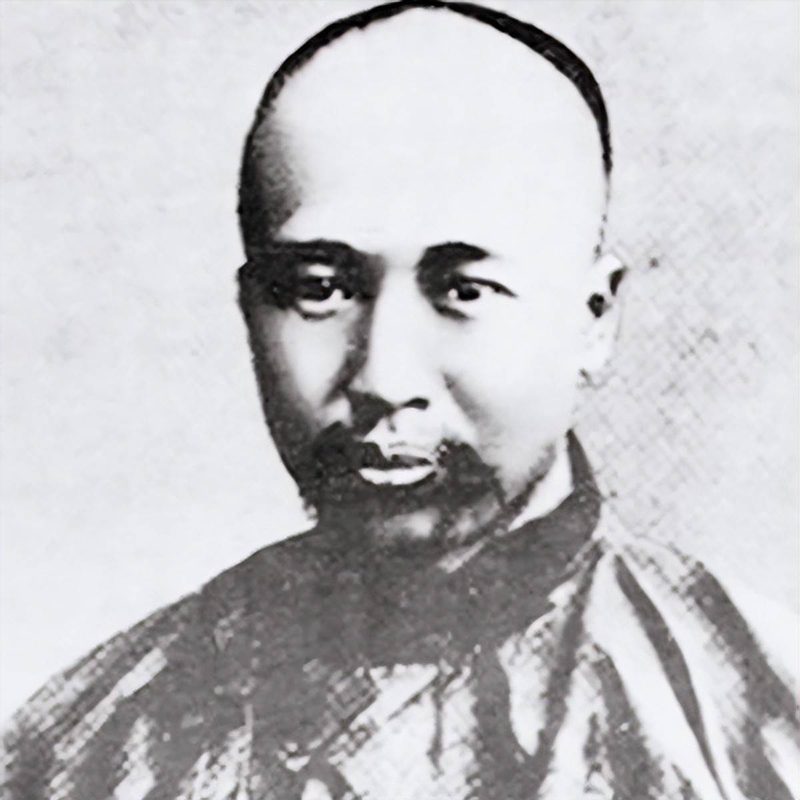
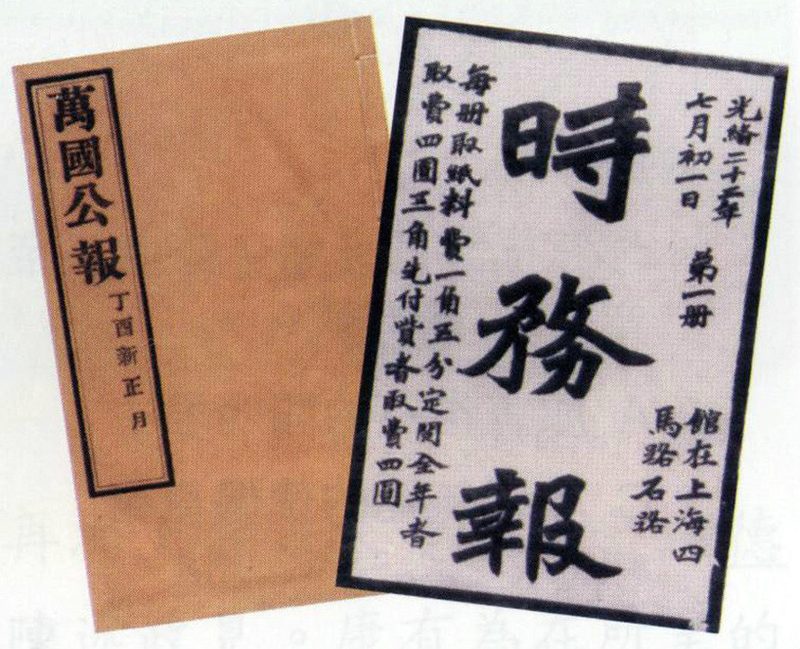
The defeat in the Sino-Japanese War made progressive Chinese realize that importing foreign goods alone could not save the nation, and institutional change came onto the agenda. Kang Youwei (1858–1927), from Nanhai, Guangdong, had traveled early to Hong Kong and Shanghai and read many books introducing the West, concluding that the West’s strength lay in its political system. In 1888 he first petitioned the Guangxu Emperor for reform, but it did not reach him. He taught at his Wanmu Caotang school in Guangzhou, training students such as Liang Qichao, and wrote works including Forged Classics of the Xin Period and Confucius as a Reformer. In spring 1895 news of the Treaty of Shimonoseki reached Beijing and aroused public fury. Provincial juren were then gathered for the metropolitan examination, and Kang and his student Liang Qichao rallied over 1,300 of them to petition the Guangxu Emperor, setting out the grave consequences of ceding land and paying indemnities and proposing to “reject the peace, move the capital, train troops and reform.” Because in the Han dynasty candidates were sent to the capital in official carriages (“gongche”), the term later meant juren going to the capital for examinations, hence “the Gongche Petition.” It never reached the emperor, but its contents spread widely and had great influence. It opened the Reform Movement and marked the entry of the bourgeois reformers onto the political stage. Kang then passed the jinshi examination, kept petitioning, and with Liang Qichao and others founded the Society for National Strengthening in Beijing and Shanghai and ran newspapers such as Zhongwai Jiwen and Shiwu Bao to promote reform.
References
Text and images from Wikipedia are used under CC BY-SA and their respective licenses