QingAD 1644–1912
Treaties of the Bogue, Wanghia and Whampoa
1843–1844
In 1843 Britain forced the Qing to sign the Treaty of the Bogue, and in 1844 the US and France extracted the Treaties of Wanghia and Whampoa, widening foreign powers’ privileges.
View on the timeline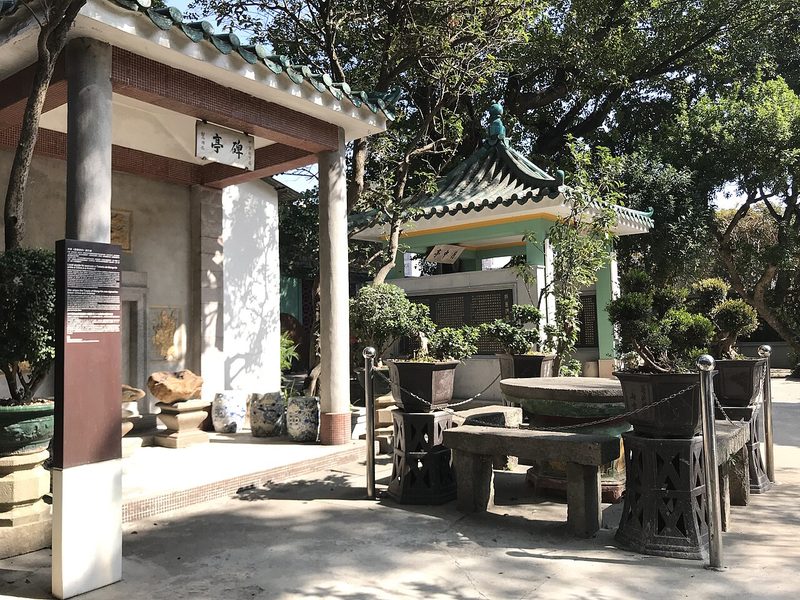
After the Treaty of Nanjing, Western powers sought further privileges. In 1843 Britain forced the Qing to sign the General Regulations of Trade and the Treaty of the Bogue (Humen) as supplements to the Treaty of Nanjing, gaining consular jurisdiction, unilateral most-favored-nation treatment, and the right to lease land and build houses in the treaty ports. Consular jurisdiction meant that foreigners who committed crimes in China or were defendants in civil suits were not subject to Chinese law but tried by their own consuls under their own law, seriously undermining China’s judicial sovereignty. Unilateral most-favored-nation treatment meant that any privilege China granted another country was automatically extended to Britain, while Britain owed China no equivalent. Seeing Britain’s gains, the US and France seized their chance. In 1844 the US sent Caleb Cushing, who threatened force and compelled the Qing to sign the Treaty of Wanghia at Wanghia village in Macao; the same year France sent Théodore de Lagrené, who forced the Qing to sign the Treaty of Whampoa aboard a French warship at Whampoa, Guangzhou. Besides all the privileges Britain had won, apart from territory and indemnity, the two added more: the US gained the right to build churches and hospitals in the treaty ports, and China could change tariffs only with the “agreement” of US consuls; France gained the right to build churches in the treaty ports and later forced the Qing to lift its ban on Catholicism. These unequal treaties further damaged China’s sovereignty, let foreign powers penetrate deeper, and deepened China’s semi-colonization.
References
Text and images from Wikipedia are used under CC BY-SA and their respective licenses